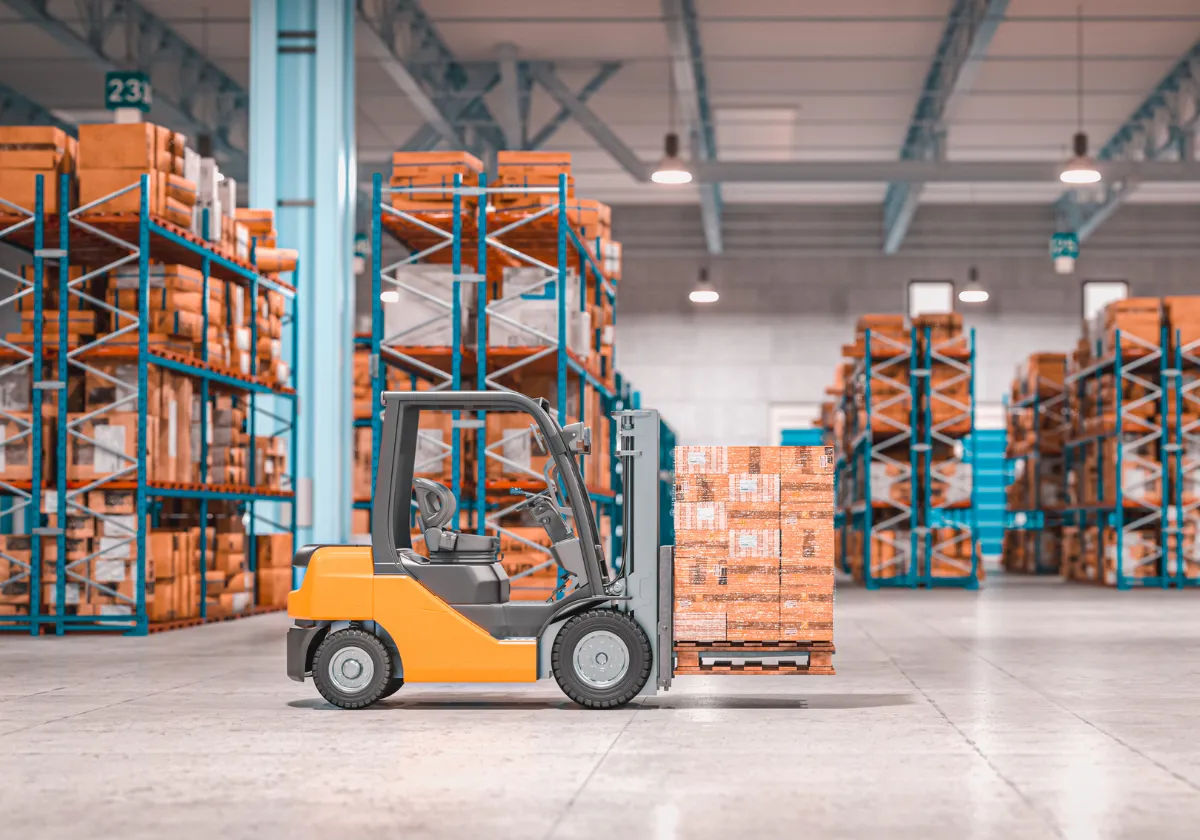
Warehouses Pair Human Augmentation With Live Inventory Data
RFID tracking, fixed industrial scanning, and wearable exo-suits are converging inside warehouses as companies seek tighter inventory control, faster throughput, and lower injury risk under

RFID tracking, fixed industrial scanning, and wearable exo-suits are converging inside warehouses as companies seek tighter inventory control, faster throughput, and lower injury risk under

Cold chain operators are rethinking network design as biologics, advanced therapies, and direct-to-patient models reveal the limits of centralized storage. Smaller temperature-controlled nodes closer to
AI in warehouses is spreading across scheduling, forecasting, and floor-level decision support, yet many facilities lack the skills depth to use these tools fully. New

Domino’s is moving from digital tracking to AI‑driven kitchen orchestration, using just‑in‑time production to defend value and scale profitably across a growing global network. In
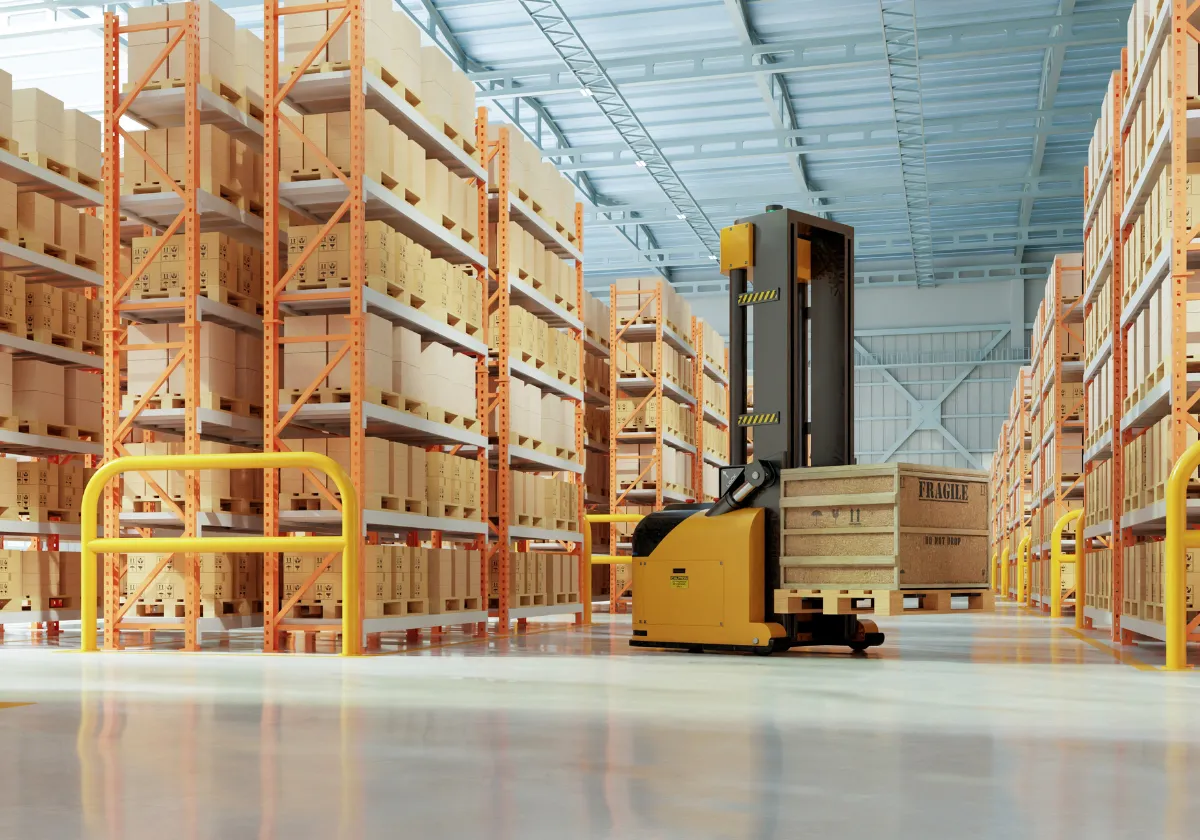
Physical AI is gaining real traction in logistics as fleets of autonomous robots take on work across warehouses, plants and delivery hubs. Under pressure from

Right-to-left supply chain planning anchors decisions in real consumption instead of politically charged forecasts that warp demand signals and bloat inventory. By treating internal behavior

Freight operations digitalization remains stuck in manual workarounds despite years of spending on platforms and AI, according to new data from Deep Current. The findings

Amazon is reshaping its fulfillment network to shorten distance and time per order, using more local inventory, automation, and ultra-fast delivery windows to lift service

Pallet damage in warehouses rarely appears on transformation roadmaps, yet it shapes safety exposure, margin leakage, and the stability of high-bay capacity. Treating pallet condition

Power quality has become a primary design variable in warehouse automation, where fleets of robots, high-speed conveyors, and dense sensor networks leave little room for
RFID tracking, fixed industrial scanning, and wearable exo-suits are converging inside warehouses as companies seek tighter inventory control, faster throughput, and lower injury risk under
Cold chain operators are rethinking network design as biologics, advanced therapies, and direct-to-patient models reveal the limits of centralized storage. Smaller temperature-controlled nodes closer to
AI in warehouses is spreading across scheduling, forecasting, and floor-level decision support, yet many facilities lack the skills depth to use these tools fully. New
Domino’s is moving from digital tracking to AI‑driven kitchen orchestration, using just‑in‑time production to defend value and scale profitably across a growing global network. In
Physical AI is gaining real traction in logistics as fleets of autonomous robots take on work across warehouses, plants and delivery hubs. Under pressure from
Right-to-left supply chain planning anchors decisions in real consumption instead of politically charged forecasts that warp demand signals and bloat inventory. By treating internal behavior
Freight operations digitalization remains stuck in manual workarounds despite years of spending on platforms and AI, according to new data from Deep Current. The findings
Amazon is reshaping its fulfillment network to shorten distance and time per order, using more local inventory, automation, and ultra-fast delivery windows to lift service
Pallet damage in warehouses rarely appears on transformation roadmaps, yet it shapes safety exposure, margin leakage, and the stability of high-bay capacity. Treating pallet condition
Power quality has become a primary design variable in warehouse automation, where fleets of robots, high-speed conveyors, and dense sensor networks leave little room for