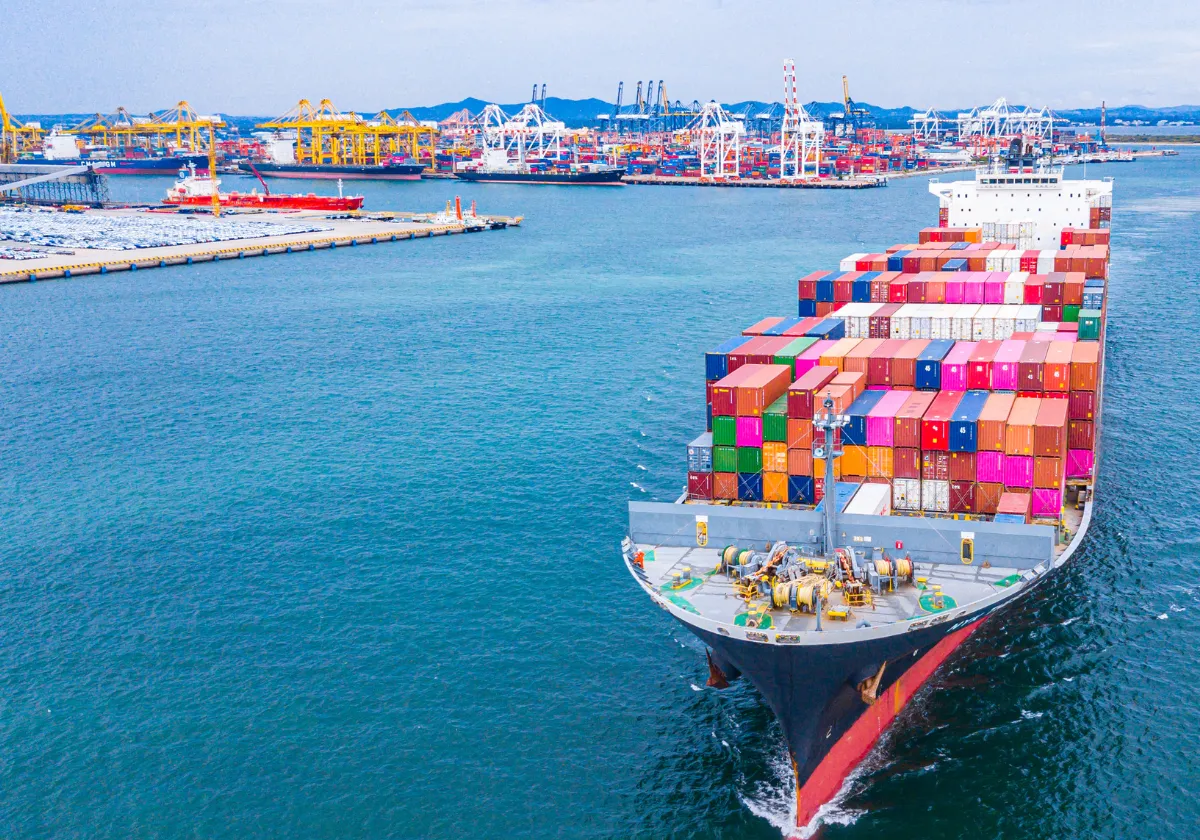
Hormuz Disruption Drives Freight Inflation to 9.2%
The Coupa Business Spend Index shows purchase orders in the Middle East and North Africa recovered more quickly than freight costs after disruption in the

The Coupa Business Spend Index shows purchase orders in the Middle East and North Africa recovered more quickly than freight costs after disruption in the

Kohl’s reduced its inventory by 3% during the second quarter. Yet tests in lower-volume stores produced a significant sales response when the retailer restored basic
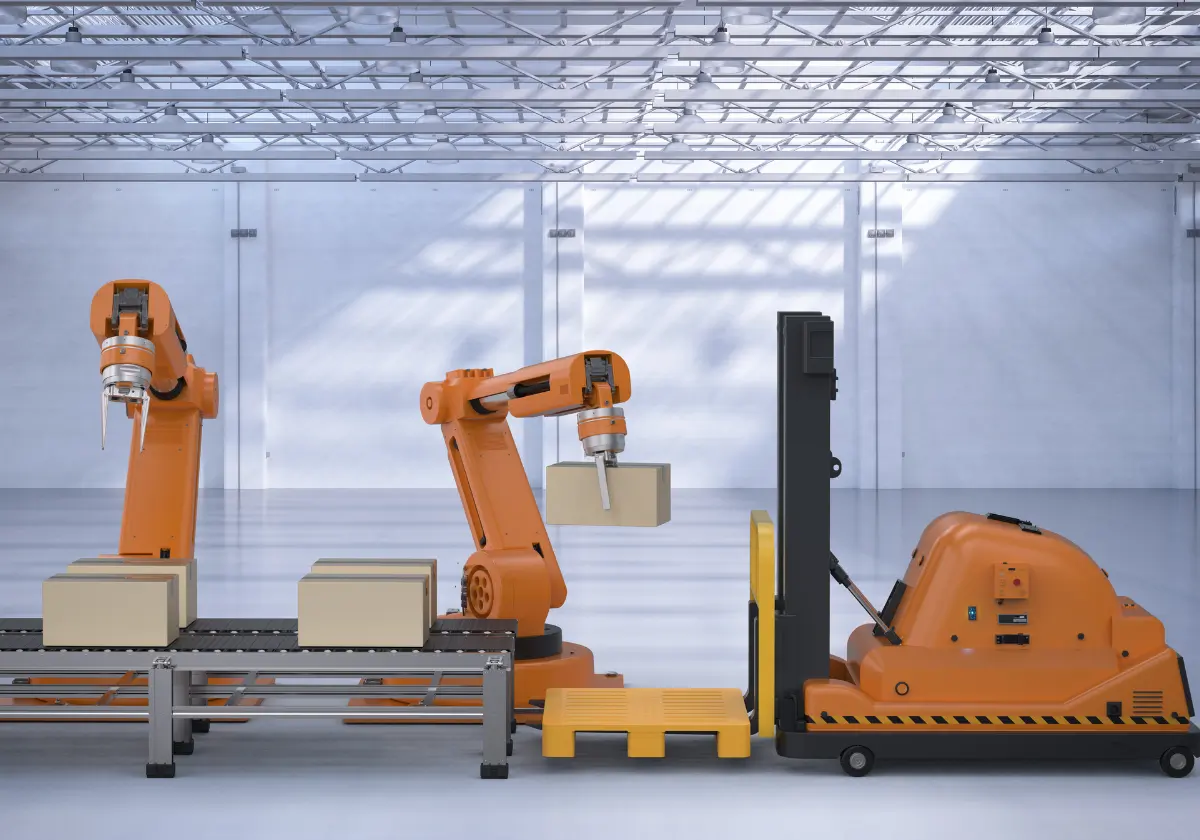
Warehouse automation promises more capacity and less repetitive work, but buying equipment before resolving process weaknesses can make those weaknesses more expensive. Amazon’s robotics program

Unified commerce logistics is absorbing more than a 20% rise in global fulfillment and transport costs over three years, even as expectations for fast, flexible

Customs problems frequently originate far from the border. An incorrect product description, valuation figure or shipment detail entered into an invoice, warehouse record or transport

Artificial intelligence is gaining a foothold across warehouse operations, but the more revealing divide is not between adopters and non-adopters. It is between systems that

Transportation networks can detect disruptions faster than ever, but knowing that a shipment is late does not reroute the freight, secure replacement capacity or update

Vision AI warehouse automation is reshaping how existing facilities handle risk, throughput and labor, without waiting for new greenfield builds. As physical automation and AI

Warehouse capacity depends on how efficiently inventory moves through the building rather than how much floor space is occupied. Better slotting, vertical storage and flow
Warehouse automation has traditionally worked best when products arrive in predictable positions, packaging follows consistent specifications and exceptions are limited. AI-enabled machine vision is widening
The Coupa Business Spend Index shows purchase orders in the Middle East and North Africa recovered more quickly than freight costs after disruption in the
Kohl’s reduced its inventory by 3% during the second quarter. Yet tests in lower-volume stores produced a significant sales response when the retailer restored basic
Warehouse automation promises more capacity and less repetitive work, but buying equipment before resolving process weaknesses can make those weaknesses more expensive. Amazon’s robotics program
Unified commerce logistics is absorbing more than a 20% rise in global fulfillment and transport costs over three years, even as expectations for fast, flexible
Customs problems frequently originate far from the border. An incorrect product description, valuation figure or shipment detail entered into an invoice, warehouse record or transport
Artificial intelligence is gaining a foothold across warehouse operations, but the more revealing divide is not between adopters and non-adopters. It is between systems that
Transportation networks can detect disruptions faster than ever, but knowing that a shipment is late does not reroute the freight, secure replacement capacity or update
Vision AI warehouse automation is reshaping how existing facilities handle risk, throughput and labor, without waiting for new greenfield builds. As physical automation and AI
Warehouse capacity depends on how efficiently inventory moves through the building rather than how much floor space is occupied. Better slotting, vertical storage and flow
Warehouse automation has traditionally worked best when products arrive in predictable positions, packaging follows consistent specifications and exceptions are limited. AI-enabled machine vision is widening