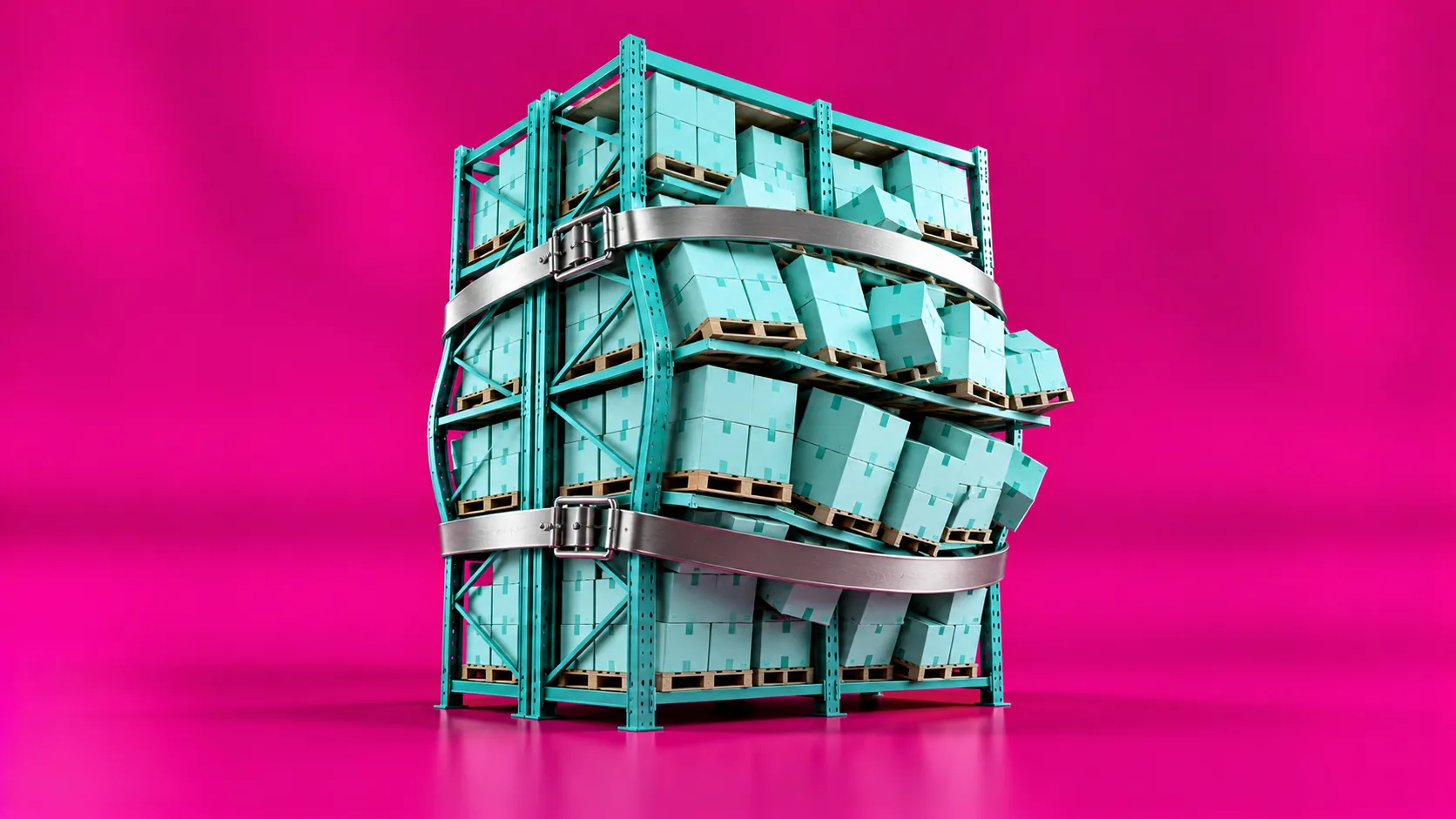
Peak Season Returns Force a New Warehouse Capacity Plan
Peak season warehouses are handling outbound orders and product returns at the same time as earlier promotions and faster customer returns compress traditional holiday workflows.

Peak season warehouses are handling outbound orders and product returns at the same time as earlier promotions and faster customer returns compress traditional holiday workflows.

Freight costs are rising even as transportation demand remains relatively subdued, forcing supply chain teams to rethink how they secure and manage capacity. Lane-level planning,
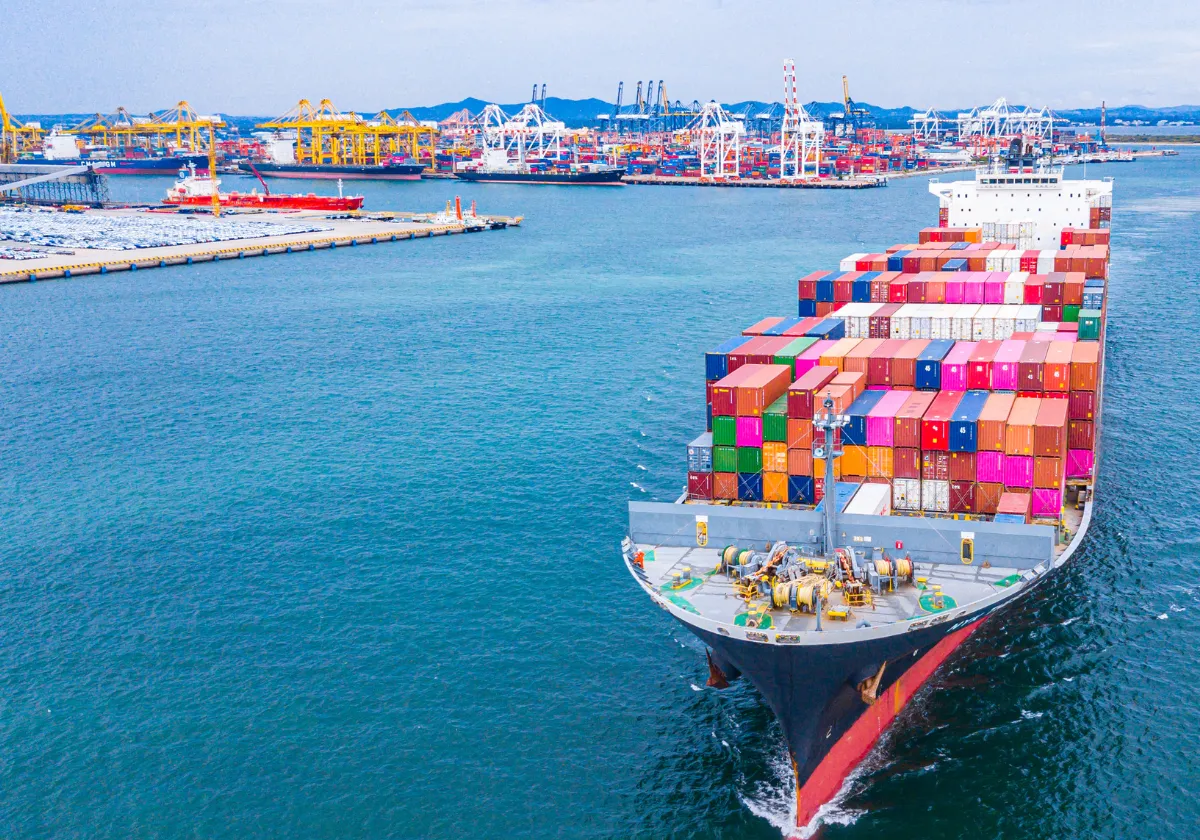
The Coupa Business Spend Index shows purchase orders in the Middle East and North Africa recovered more quickly than freight costs after disruption in the

Freight costs are climbing without the demand boom that usually drives them. Uneven capacity, fuel pressure and costly service failures are forcing companies to rethink

Transportation emissions increasingly reflect the same routing, loading and carrier decisions that determine freight cost and service performance. Using standardized emissions factors within daily planning

Uber is moving from marketplace coordination into physical capacity planning, using shared infrastructure and multisourcing to support 120,000 autonomous vehicles. In Brief The Strategic Break
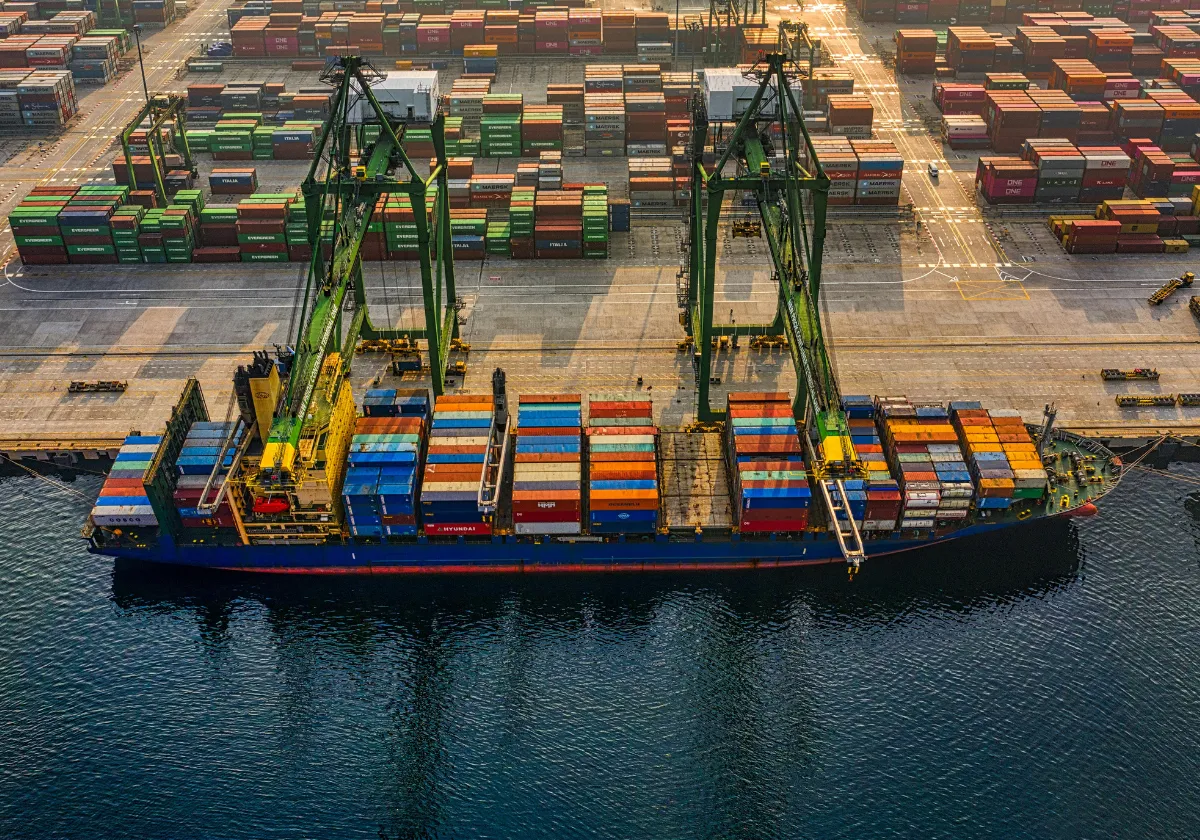
Insurance costs, vessel availability and limited traffic visibility are placing new constraints on shipping through the Strait of Hormuz. As inbound capacity tightens, supply chain
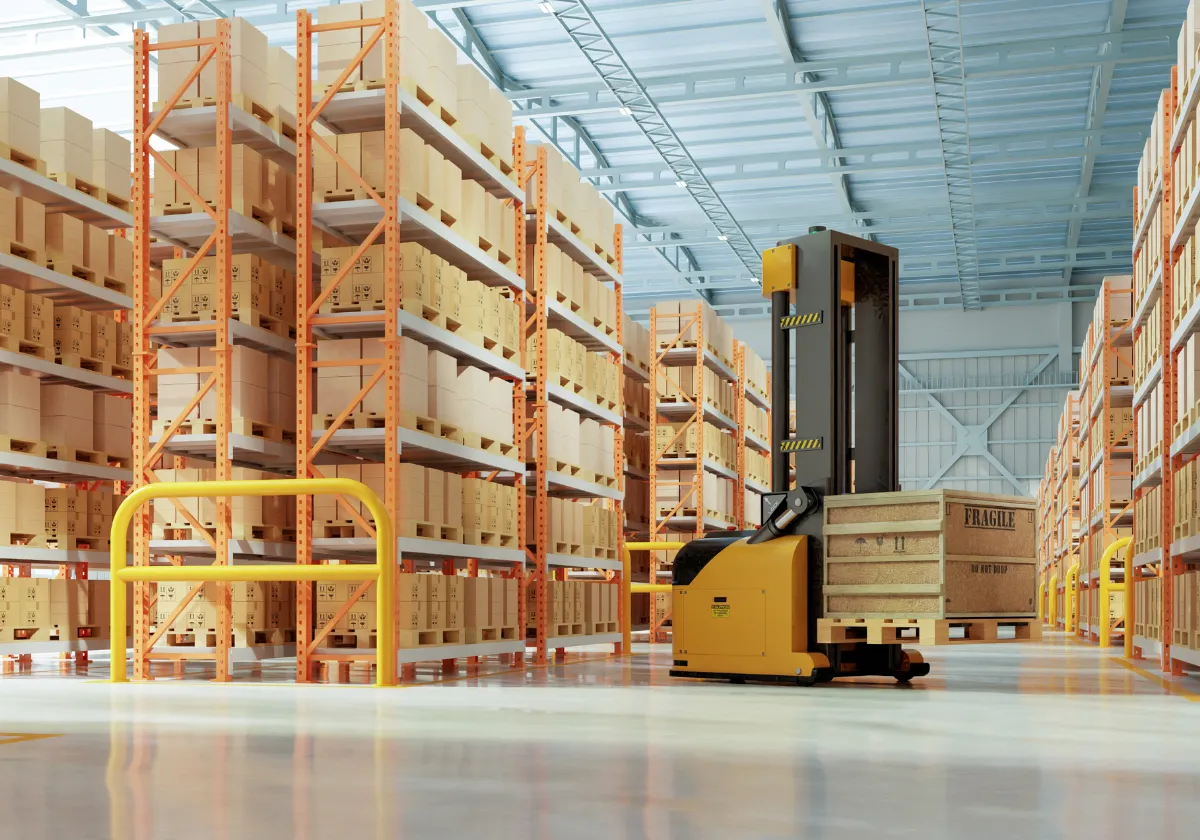
Pallet stability influences freight quality, worker safety and transport efficiency long before a shipment leaves the warehouse. Stronger load design helps reduce product damage, lower

Freight procurement is becoming less about finding the lowest transportation rate and more about securing reliable network capacity. After several years of market volatility, carriers

AI freight brokers are emerging as a real routing option, with new 1Q26 TD Cowen Carrier survey data showing many carriers willing to book loads
Peak season warehouses are handling outbound orders and product returns at the same time as earlier promotions and faster customer returns compress traditional holiday workflows.
Freight costs are rising even as transportation demand remains relatively subdued, forcing supply chain teams to rethink how they secure and manage capacity. Lane-level planning,
The Coupa Business Spend Index shows purchase orders in the Middle East and North Africa recovered more quickly than freight costs after disruption in the
Freight costs are climbing without the demand boom that usually drives them. Uneven capacity, fuel pressure and costly service failures are forcing companies to rethink
Transportation emissions increasingly reflect the same routing, loading and carrier decisions that determine freight cost and service performance. Using standardized emissions factors within daily planning
Uber is moving from marketplace coordination into physical capacity planning, using shared infrastructure and multisourcing to support 120,000 autonomous vehicles. In Brief The Strategic Break
Insurance costs, vessel availability and limited traffic visibility are placing new constraints on shipping through the Strait of Hormuz. As inbound capacity tightens, supply chain
Pallet stability influences freight quality, worker safety and transport efficiency long before a shipment leaves the warehouse. Stronger load design helps reduce product damage, lower
Freight procurement is becoming less about finding the lowest transportation rate and more about securing reliable network capacity. After several years of market volatility, carriers
AI freight brokers are emerging as a real routing option, with new 1Q26 TD Cowen Carrier survey data showing many carriers willing to book loads