
Victoria’s Secret Exposes the Missing Time Dimension in Inventory Planning
Victoria’s Secret entered its Semi Annual Sale with less inventory as part of an effort to reduce promotional reliance. Demand and sell through initially exceeded

Victoria’s Secret entered its Semi Annual Sale with less inventory as part of an effort to reduce promotional reliance. Demand and sell through initially exceeded
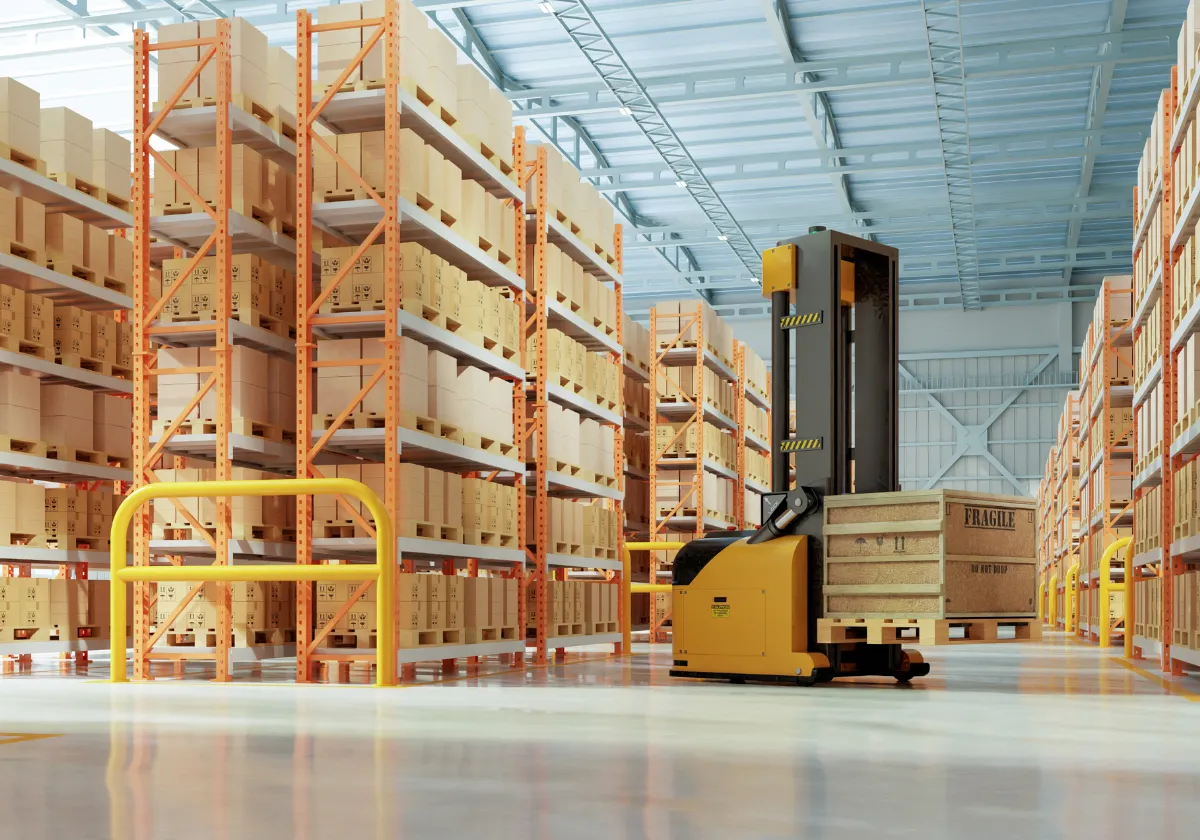
Warehouse execution is becoming a competitive differentiator as distribution networks contend with rising complexity, labor constraints and tighter customer expectations. Intelligent warehouse management is helping

More than half of Ulta Beauty’s e-commerce orders are now fulfilled through its stores. At the same time, digital sales are growing in the high

Warehouse capacity is increasingly shaped by how quickly facilities can absorb changing order profiles, sales channels and customer demand rather than by storage space alone.

Third-party logistics providers are taking on a larger role in supply chain planning as companies redesign networks around resilience, faster fulfilment and stronger cash performance.

A warehouse management system go-live tests the ability of technology, people and warehouse processes to perform together under live trading conditions. Thorough preparation across exception

The assumptions that made global supply chains cheaper and leaner are becoming harder to defend. Tariffs, geopolitical shocks, volatile transportation markets and tighter delivery promises

A supply chain can remove millions from cost to serve through AI and automation without reducing the company’s reported cost base by the same amount.
Campbell’s is closing manufacturing plants while demand in its Snacks business remains under pressure and investing in the facilities that will support its future network.

Freight costs are climbing without the demand boom that usually drives them. Uneven capacity, fuel pressure and costly service failures are forcing companies to rethink
Victoria’s Secret entered its Semi Annual Sale with less inventory as part of an effort to reduce promotional reliance. Demand and sell through initially exceeded
Warehouse execution is becoming a competitive differentiator as distribution networks contend with rising complexity, labor constraints and tighter customer expectations. Intelligent warehouse management is helping
More than half of Ulta Beauty’s e-commerce orders are now fulfilled through its stores. At the same time, digital sales are growing in the high
Warehouse capacity is increasingly shaped by how quickly facilities can absorb changing order profiles, sales channels and customer demand rather than by storage space alone.
Third-party logistics providers are taking on a larger role in supply chain planning as companies redesign networks around resilience, faster fulfilment and stronger cash performance.
A warehouse management system go-live tests the ability of technology, people and warehouse processes to perform together under live trading conditions. Thorough preparation across exception
The assumptions that made global supply chains cheaper and leaner are becoming harder to defend. Tariffs, geopolitical shocks, volatile transportation markets and tighter delivery promises
A supply chain can remove millions from cost to serve through AI and automation without reducing the company’s reported cost base by the same amount.
Campbell’s is closing manufacturing plants while demand in its Snacks business remains under pressure and investing in the facilities that will support its future network.
Freight costs are climbing without the demand boom that usually drives them. Uneven capacity, fuel pressure and costly service failures are forcing companies to rethink