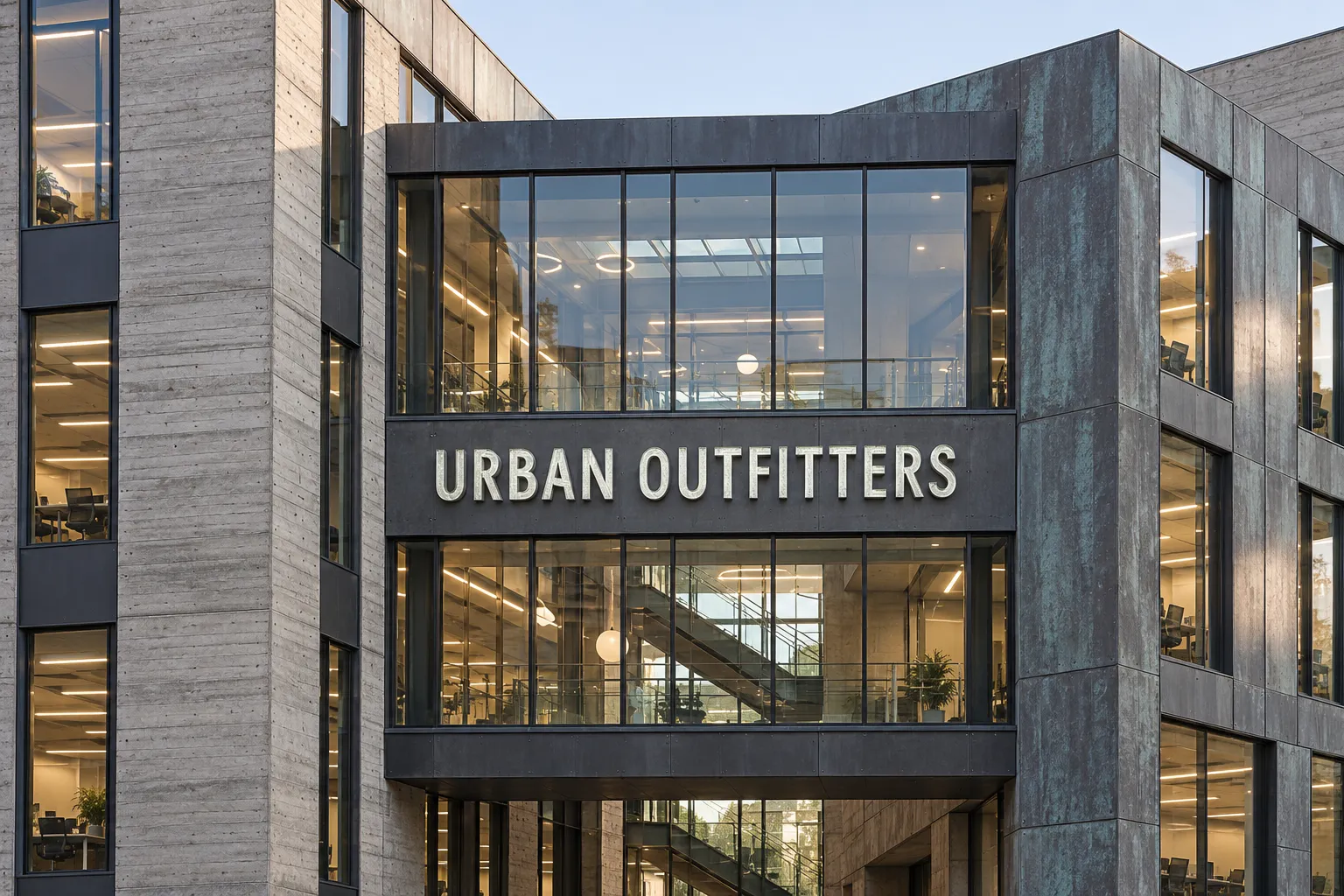
URBN Builds a Repeatable Fulfillment Model for Circular Commerce
URBN is developing an automated fulfillment model that can be replicated as its clothing rental business expands. Nuuly’s Kansas City operation is providing the blueprint

URBN is developing an automated fulfillment model that can be replicated as its clothing rental business expands. Nuuly’s Kansas City operation is providing the blueprint

Transportation emissions increasingly reflect the same routing, loading and carrier decisions that determine freight cost and service performance. Using standardized emissions factors within daily planning

Target is adding stores and upgrading existing locations across a network where physical stores already fulfill more than 95% of sales. The expansion increases the
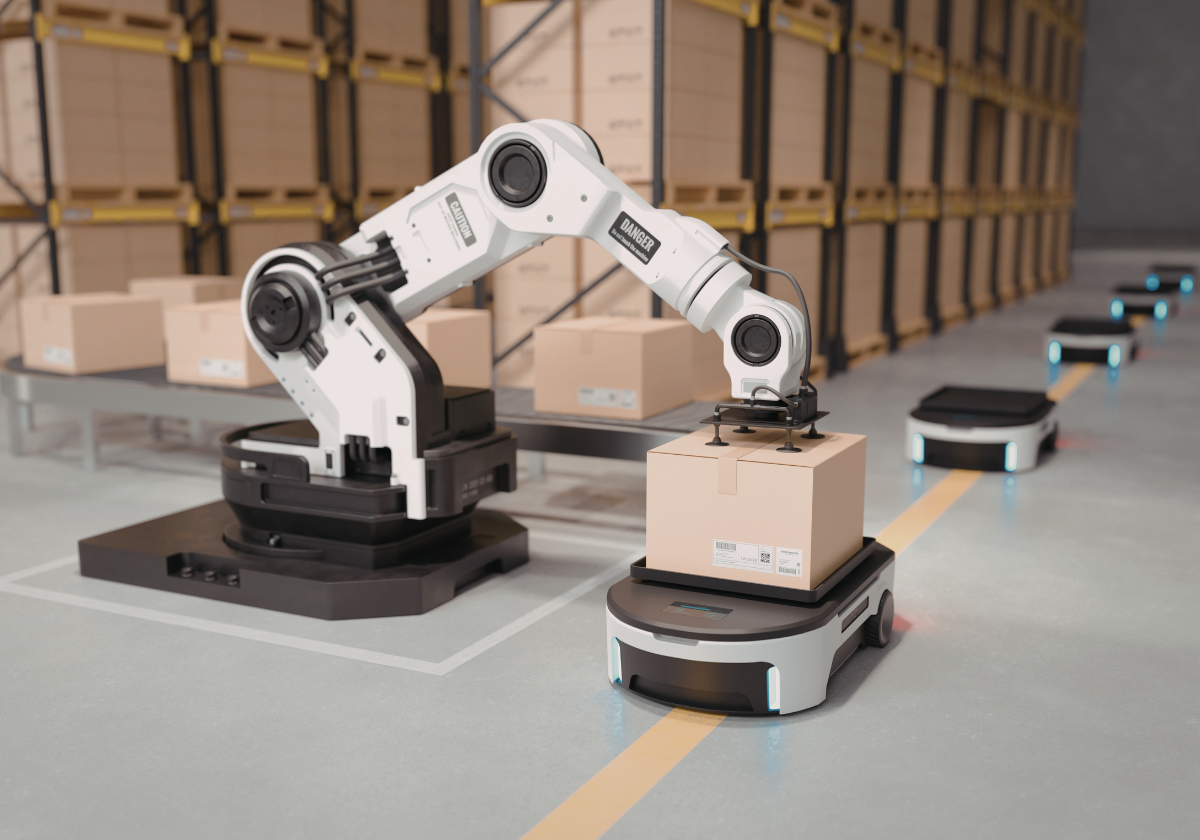
Robotics investment is increasingly confronting a practical constraint inside factories and warehouses. Work rarely stays constant throughout a shift. Volumes change, congestion moves and labor

Lululemon is carrying approximately 7% fewer inventory units than a year ago, yet markdowns are rising while the company chases 20% more reorder volume into
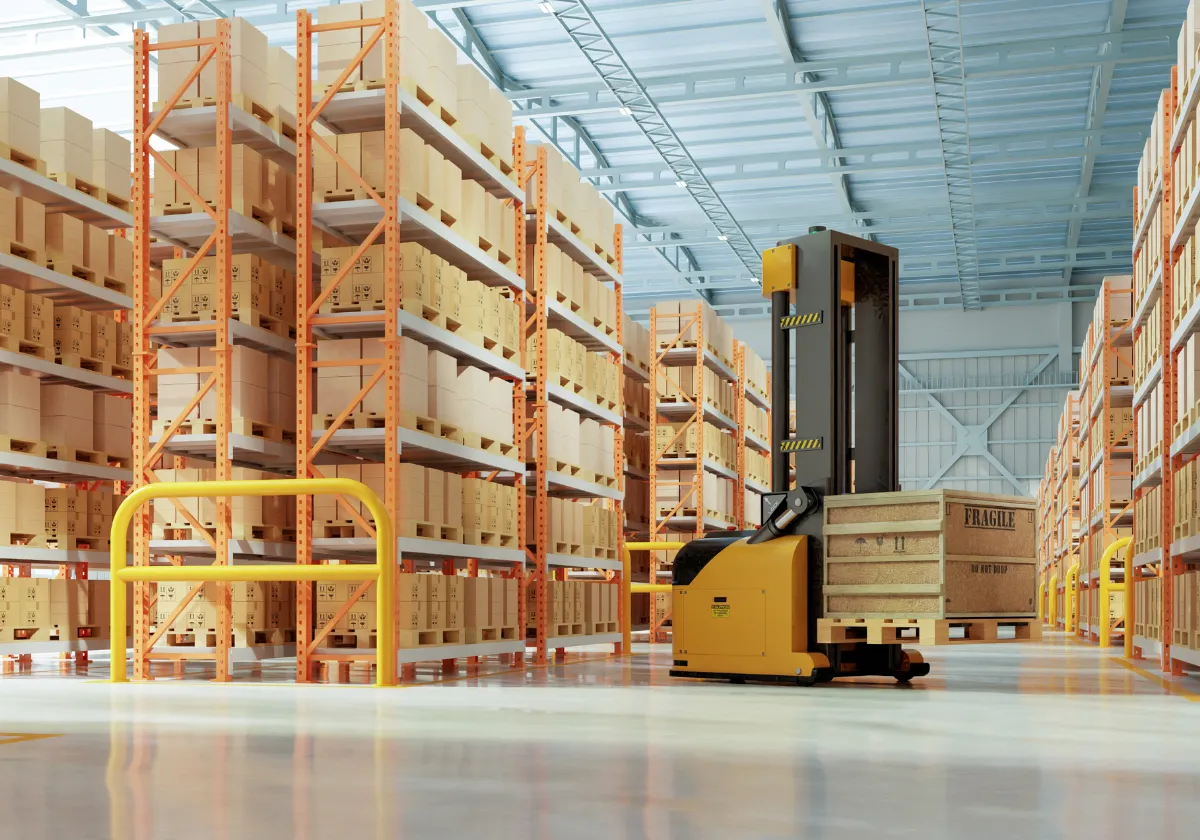
A cracked pallet or unstable load can remain unnoticed until it becomes a damaged shipment, blocked aisle or safety incident. In dense warehouses, the cost
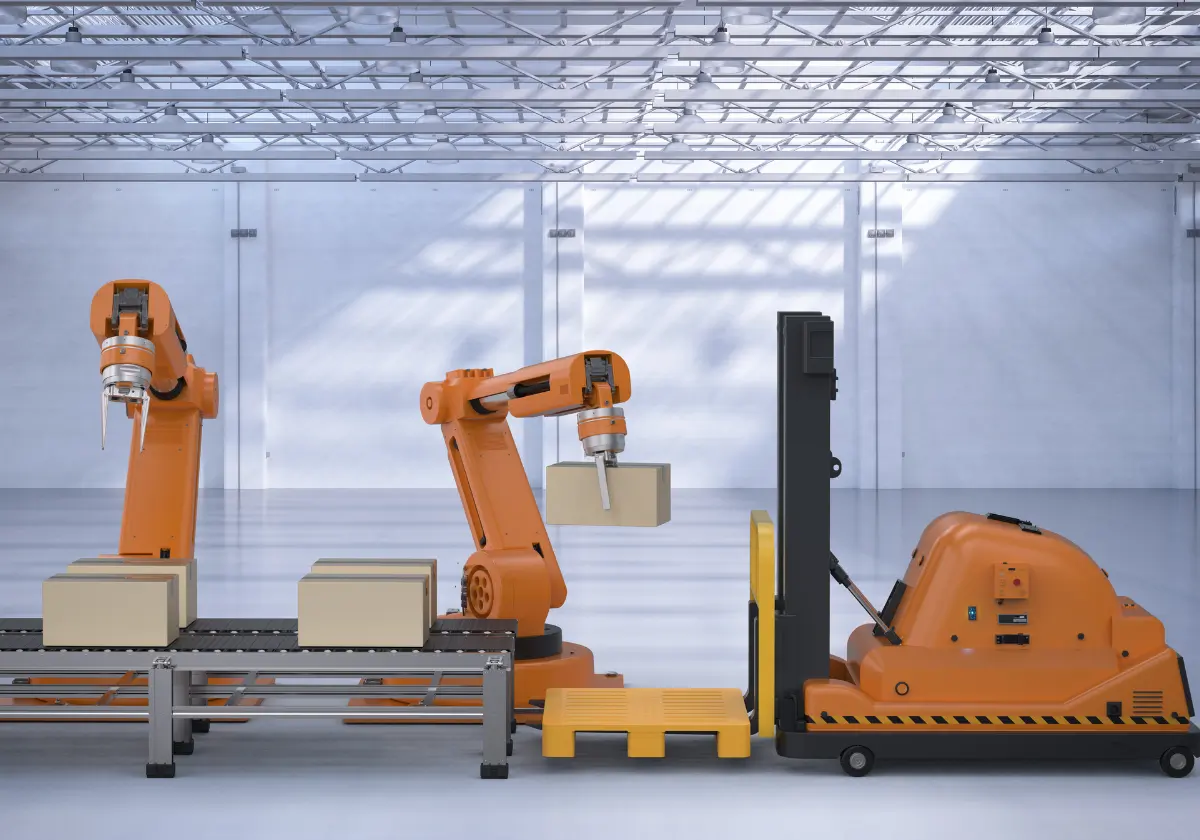
Automated storage and retrieval systems are moving from niche installations to core warehouse infrastructure as robotics and software maturity converge. Recent deployments in Europe and

Robotic grasping is emerging as one of the biggest barriers to broader warehouse automation, with irregular packaging and mixed-SKU inventory continuing to challenge autonomous systems.

Warehouse operators are increasing investment in artificial intelligence as businesses seek faster fulfillment, stronger productivity and better use of labor. A new global survey from
Uber is moving from marketplace coordination into physical capacity planning, using shared infrastructure and multisourcing to support 120,000 autonomous vehicles. In Brief The Strategic Break
URBN is developing an automated fulfillment model that can be replicated as its clothing rental business expands. Nuuly’s Kansas City operation is providing the blueprint
Transportation emissions increasingly reflect the same routing, loading and carrier decisions that determine freight cost and service performance. Using standardized emissions factors within daily planning
Target is adding stores and upgrading existing locations across a network where physical stores already fulfill more than 95% of sales. The expansion increases the
Robotics investment is increasingly confronting a practical constraint inside factories and warehouses. Work rarely stays constant throughout a shift. Volumes change, congestion moves and labor
Lululemon is carrying approximately 7% fewer inventory units than a year ago, yet markdowns are rising while the company chases 20% more reorder volume into
A cracked pallet or unstable load can remain unnoticed until it becomes a damaged shipment, blocked aisle or safety incident. In dense warehouses, the cost
Automated storage and retrieval systems are moving from niche installations to core warehouse infrastructure as robotics and software maturity converge. Recent deployments in Europe and
Robotic grasping is emerging as one of the biggest barriers to broader warehouse automation, with irregular packaging and mixed-SKU inventory continuing to challenge autonomous systems.
Warehouse operators are increasing investment in artificial intelligence as businesses seek faster fulfillment, stronger productivity and better use of labor. A new global survey from
Uber is moving from marketplace coordination into physical capacity planning, using shared infrastructure and multisourcing to support 120,000 autonomous vehicles. In Brief The Strategic Break



