Agentic AI Pushes Supply Chains Toward Autonomous Execution
AI agents, digital twins and embedded process intelligence are compressing supply chain decision cycles from weeks to hours as companies automate routing, sourcing and risk

AI agents, digital twins and embedded process intelligence are compressing supply chain decision cycles from weeks to hours as companies automate routing, sourcing and risk

Energy price volatility, freight disruption and unstable transit schedules are converging into a single supply chain shock as tensions around the Strait of Hormuz spread

Supply chains generate vast amounts of tracking data, yet costly exceptions still spread across orders, inventory, and logistics because companies struggle to connect events to
Rising tension in the Strait of Hormuz is now a direct supply chain issue, not just a geopolitical headline, as routing, sourcing and inventory decisions
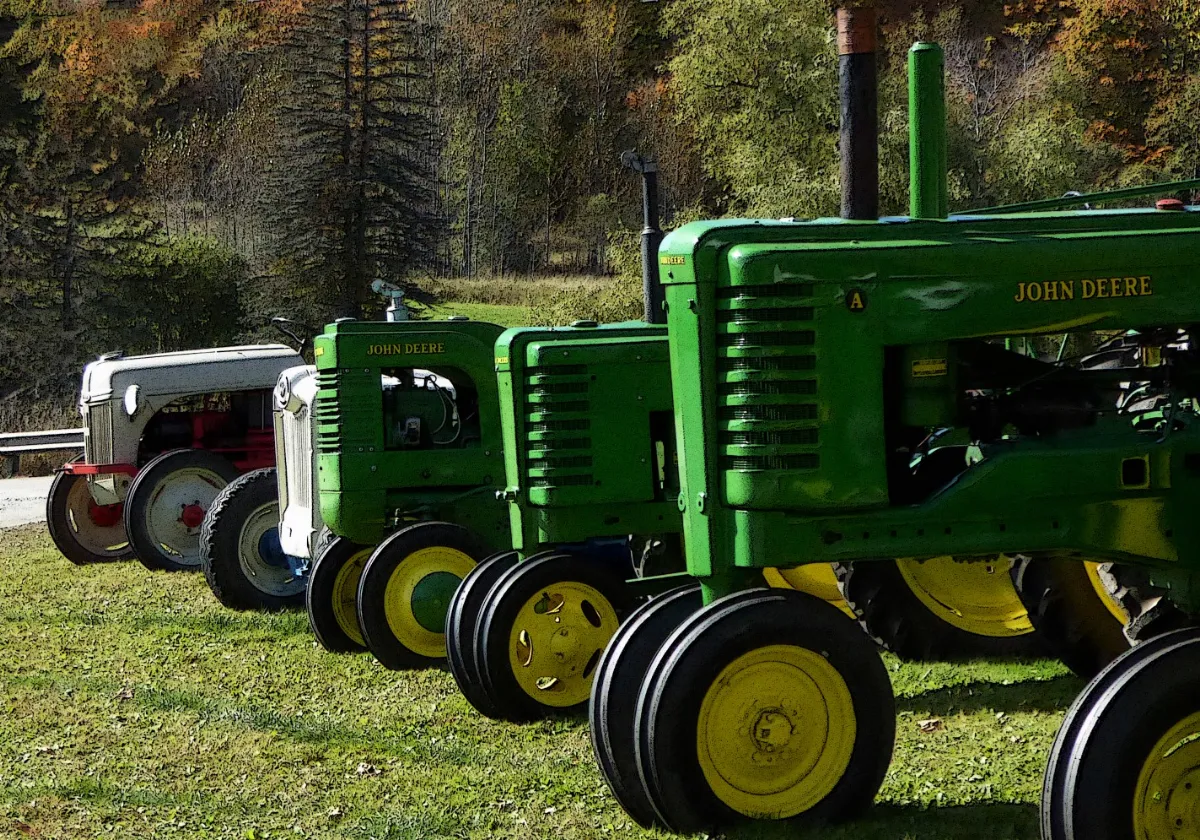
Deere is using tariffs as a forcing function to harden its operating model around local manufacturing, disciplined inventory, and structural cost control rather than short-term

CAVA is rebuilding its field and store operating model so a 1,000-restaurant network can run with consistent speed, accuracy, and economics under tighter pricing and

Target is tightening a store-led operating model that pushes more fulfillment through physical sites while holding inventory risk upstream and chasing demand late. In Brief
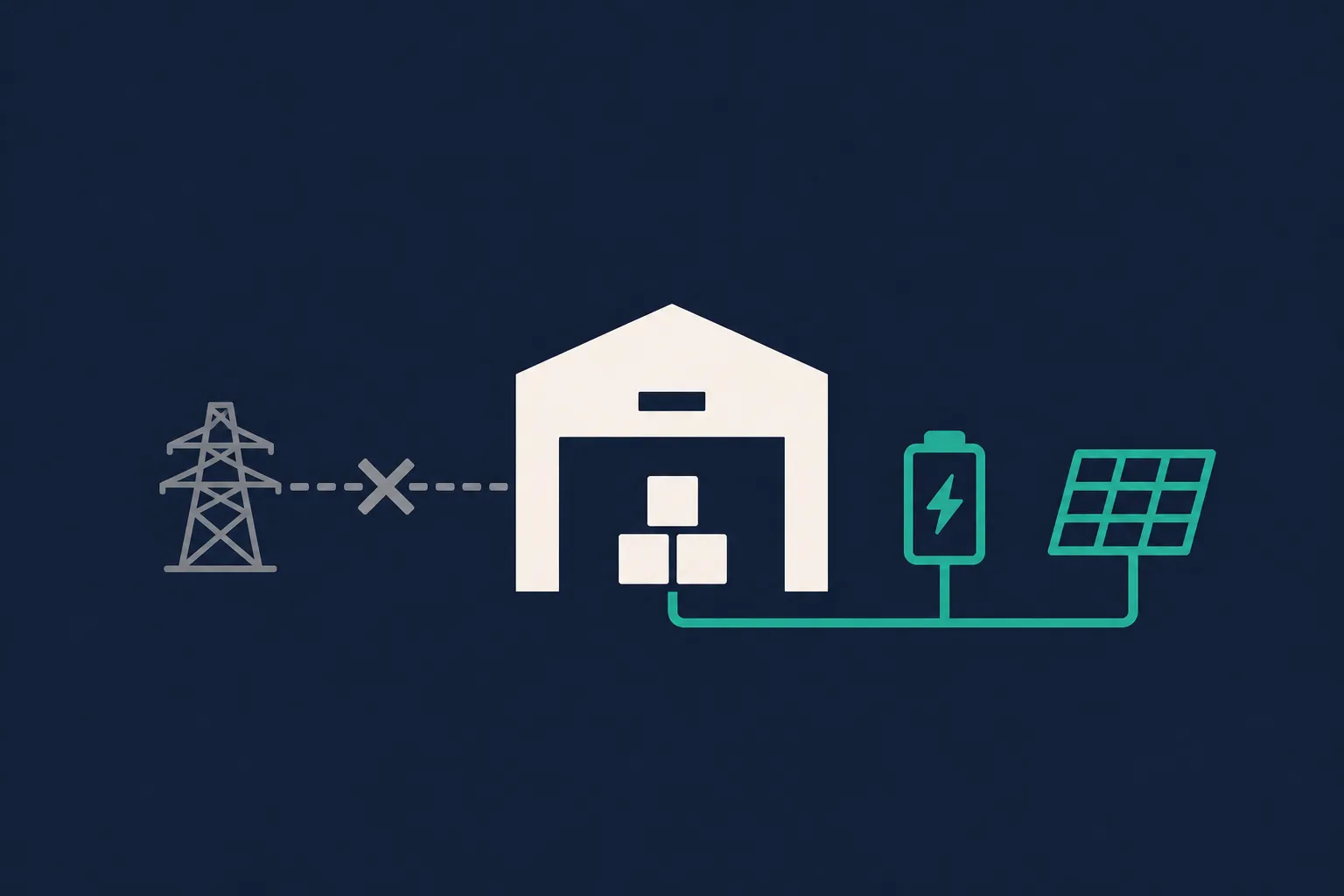
Warehouse microgrid energy resilience has become a design decision as grid instability rises and automated facilities depend on uninterrupted power. On site generation and battery

Ocean shipping delays are spreading beyond congested ports and into booking cycles, voyage routes, and inland discharge networks as conflict, weather, and carrier diversions unsettle

Humanoid robots are attracting billions in industrial investment as automotive plants and logistics networks search for new ways to manage labor intensity, throughput pressure, and
AI agents, digital twins and embedded process intelligence are compressing supply chain decision cycles from weeks to hours as companies automate routing, sourcing and risk
Energy price volatility, freight disruption and unstable transit schedules are converging into a single supply chain shock as tensions around the Strait of Hormuz spread
Supply chains generate vast amounts of tracking data, yet costly exceptions still spread across orders, inventory, and logistics because companies struggle to connect events to
Rising tension in the Strait of Hormuz is now a direct supply chain issue, not just a geopolitical headline, as routing, sourcing and inventory decisions
Deere is using tariffs as a forcing function to harden its operating model around local manufacturing, disciplined inventory, and structural cost control rather than short-term
CAVA is rebuilding its field and store operating model so a 1,000-restaurant network can run with consistent speed, accuracy, and economics under tighter pricing and
Target is tightening a store-led operating model that pushes more fulfillment through physical sites while holding inventory risk upstream and chasing demand late. In Brief
Warehouse microgrid energy resilience has become a design decision as grid instability rises and automated facilities depend on uninterrupted power. On site generation and battery
Ocean shipping delays are spreading beyond congested ports and into booking cycles, voyage routes, and inland discharge networks as conflict, weather, and carrier diversions unsettle
Humanoid robots are attracting billions in industrial investment as automotive plants and logistics networks search for new ways to manage labor intensity, throughput pressure, and