BJ’s Balances Tariff Risk With Faster Omni-Fulfilment Expansion
BJ’s Wholesale Club is turning its club estate and new DC investments into an integrated omni-fulfilment network, reshaping how demand, inventory, and risk are managed

BJ’s Wholesale Club is turning its club estate and new DC investments into an integrated omni-fulfilment network, reshaping how demand, inventory, and risk are managed

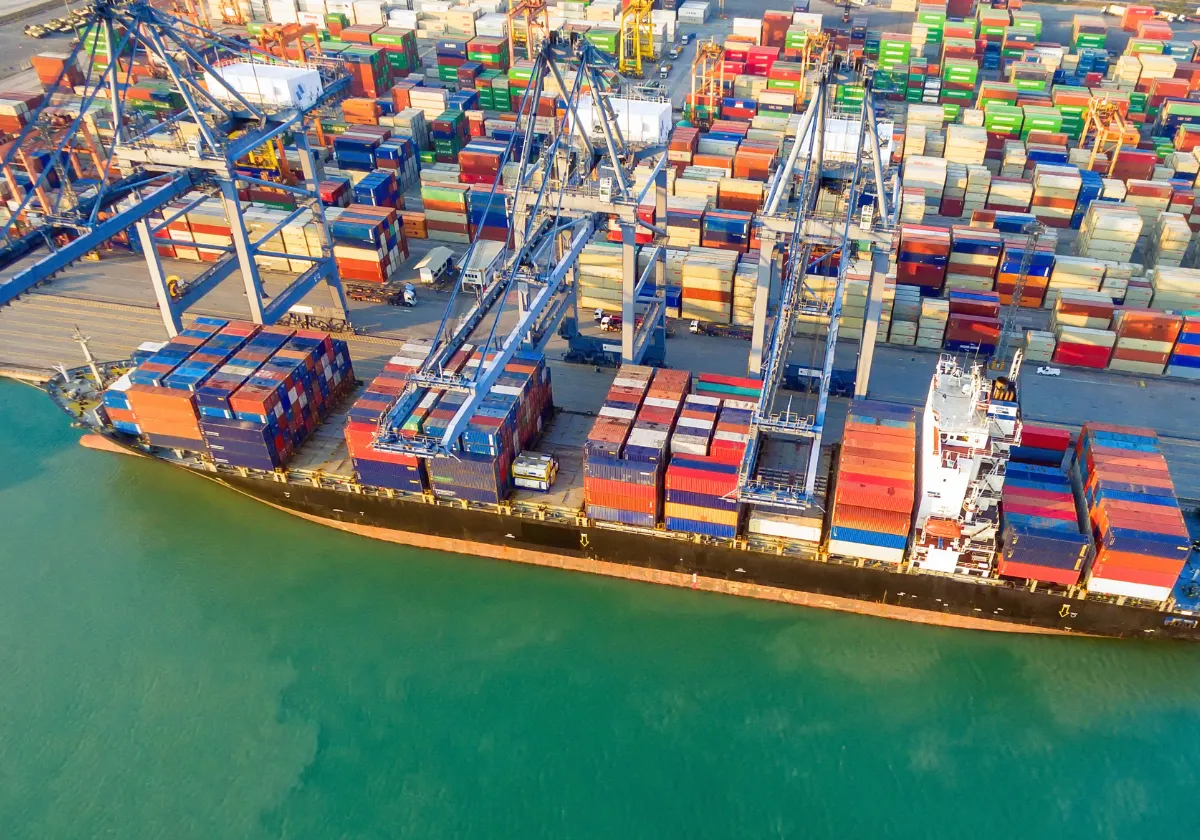
Ocean shipping delays are increasingly emerging during transit and discharge rather than at export terminals, extending end-to-end cycle times even as origin performance improves. Geopolitical

Logistics companies are accelerating investments in electric vehicles, alternative fuels and digital fleet technologies as they seek to balance emissions reduction with rising cost pressures.

Burlington is redesigning its store network around smaller, higher-productivity formats, but the real objective extends beyond occupancy savings. By reducing selling space, the company is

Miniso is redesigning its network around fewer, larger stores and faster assortment refresh cycles. The strategy concentrates demand, increases planning complexity, and shifts more inventory

AI agents, digital twins and embedded process intelligence are compressing supply chain decision cycles from weeks to hours as companies automate routing, sourcing and risk

Energy price volatility, freight disruption and unstable transit schedules are converging into a single supply chain shock as tensions around the Strait of Hormuz spread

Supply chains generate vast amounts of tracking data, yet costly exceptions still spread across orders, inventory, and logistics because companies struggle to connect events to

Rising tension in the Strait of Hormuz is now a direct supply chain issue, not just a geopolitical headline, as routing, sourcing and inventory decisions

Deere is using tariffs as a forcing function to harden its operating model around local manufacturing, disciplined inventory, and structural cost control rather than short-term

BJ’s Wholesale Club is turning its club estate and new DC investments into an integrated omni-fulfilment network, reshaping how demand, inventory, and risk are managed

Ocean shipping delays are increasingly emerging during transit and discharge rather than at export terminals, extending end-to-end cycle times even as origin performance improves. Geopolitical

Logistics companies are accelerating investments in electric vehicles, alternative fuels and digital fleet technologies as they seek to balance emissions reduction with rising cost pressures.

Burlington is redesigning its store network around smaller, higher-productivity formats, but the real objective extends beyond occupancy savings. By reducing selling space, the company is

Miniso is redesigning its network around fewer, larger stores and faster assortment refresh cycles. The strategy concentrates demand, increases planning complexity, and shifts more inventory

AI agents, digital twins and embedded process intelligence are compressing supply chain decision cycles from weeks to hours as companies automate routing, sourcing and risk

Energy price volatility, freight disruption and unstable transit schedules are converging into a single supply chain shock as tensions around the Strait of Hormuz spread

Supply chains generate vast amounts of tracking data, yet costly exceptions still spread across orders, inventory, and logistics because companies struggle to connect events to

Rising tension in the Strait of Hormuz is now a direct supply chain issue, not just a geopolitical headline, as routing, sourcing and inventory decisions

Deere is using tariffs as a forcing function to harden its operating model around local manufacturing, disciplined inventory, and structural cost control rather than short-term