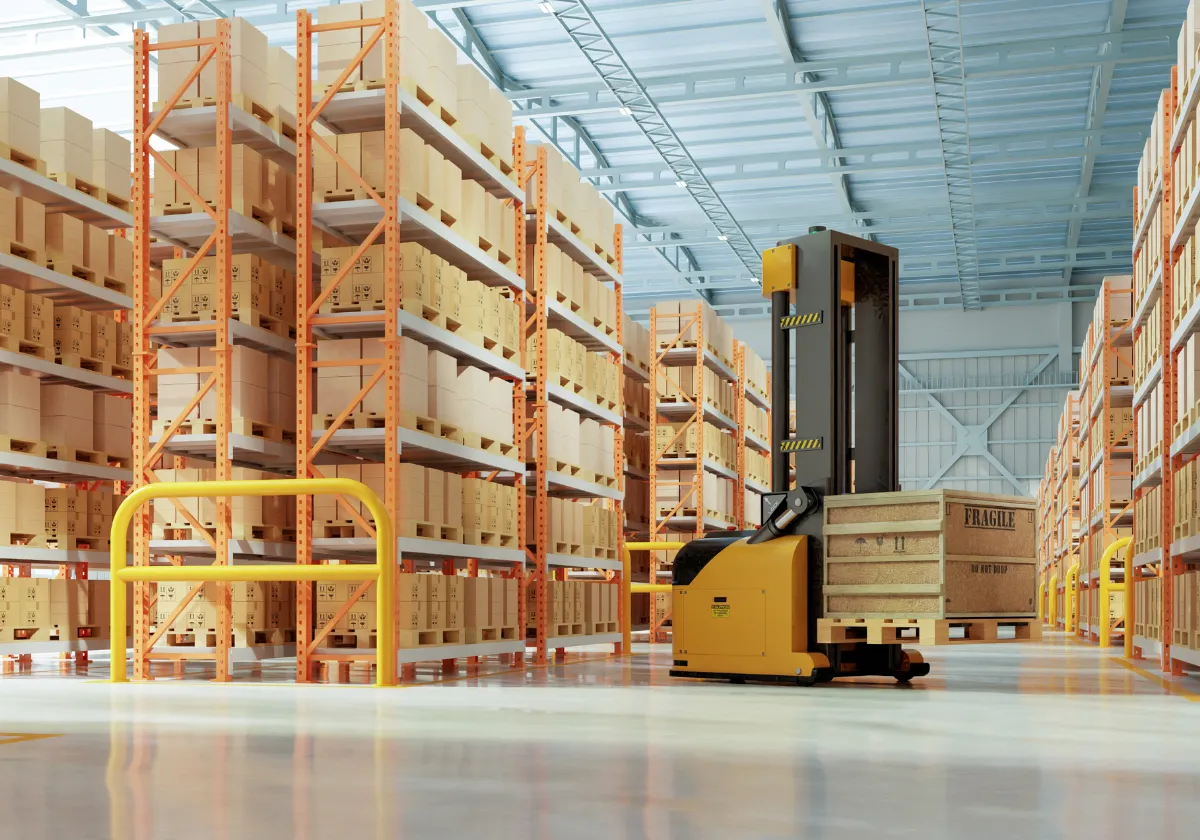
Warehouse AI Fails Without Integration and Trust
Warehouse AI is reaching production through tightly scoped modules that improve picking and inventory decisions without replacing core management systems. A survey of 300 logistics

Warehouse AI is reaching production through tightly scoped modules that improve picking and inventory decisions without replacing core management systems. A survey of 300 logistics

Warehouse storage is becoming a strategic asset as operators seek more capacity, higher throughput and better use of existing facilities without expanding their footprint. Well-designed

Supply chain AI is advancing rapidly, but workforce capability is emerging as the factor that will determine whether automation delivers measurable business value. Companies are

Friendshoring is moving supply chains beyond cost optimization toward networks designed for geopolitical resilience and operational continuity. As manufacturers diversify production across trusted trading partners,

ExxonMobil is combining its global Upstream operations under one organization to improve how production, maintenance and reliability are managed across assets. The redesign builds on

Yum Brands is expanding its Byte platform across digital ordering, menus, pricing and restaurant operations. The strategic significance lies in its attempt to introduce common
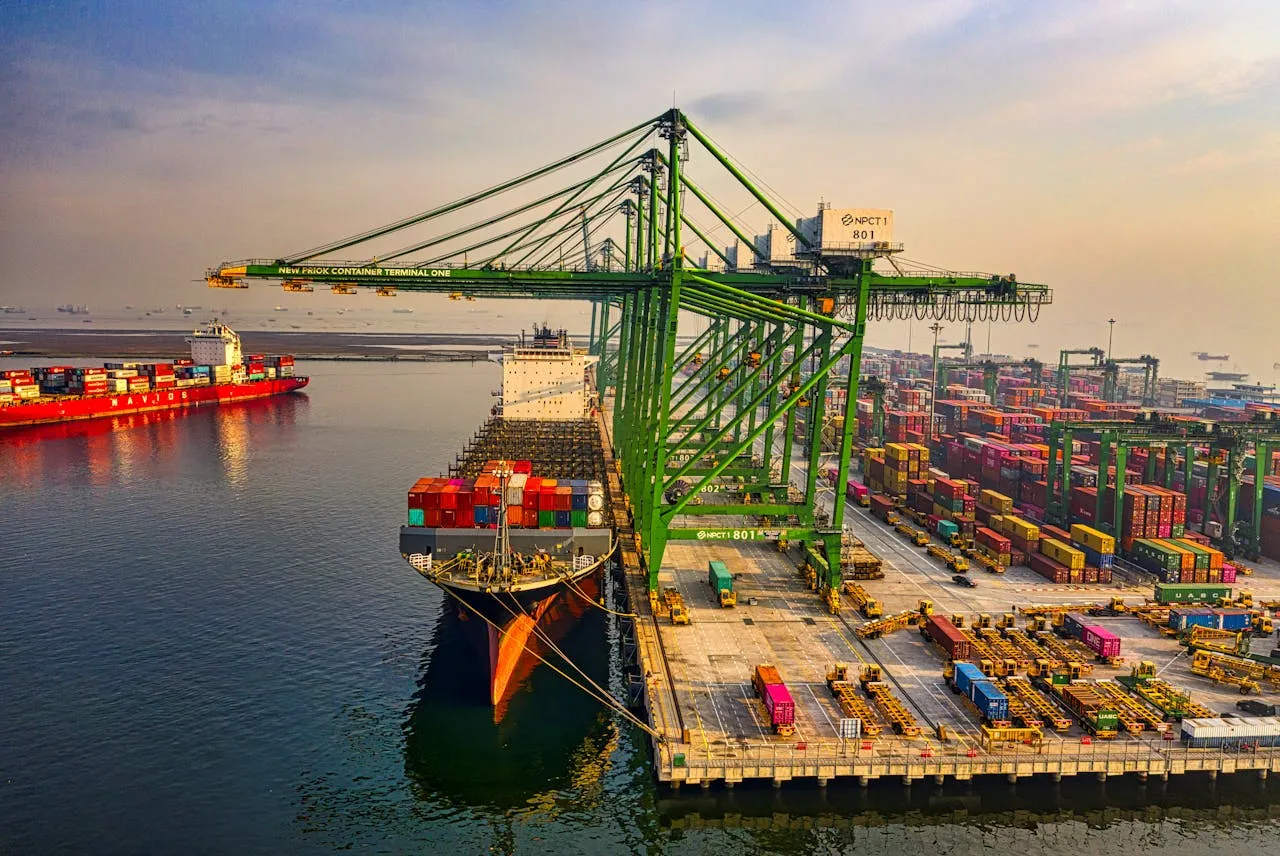
Supply chain chokepoints have become a structural source of operational and financial risk as geopolitical tension, climate events and logistics disruptions expose hidden dependencies beyond
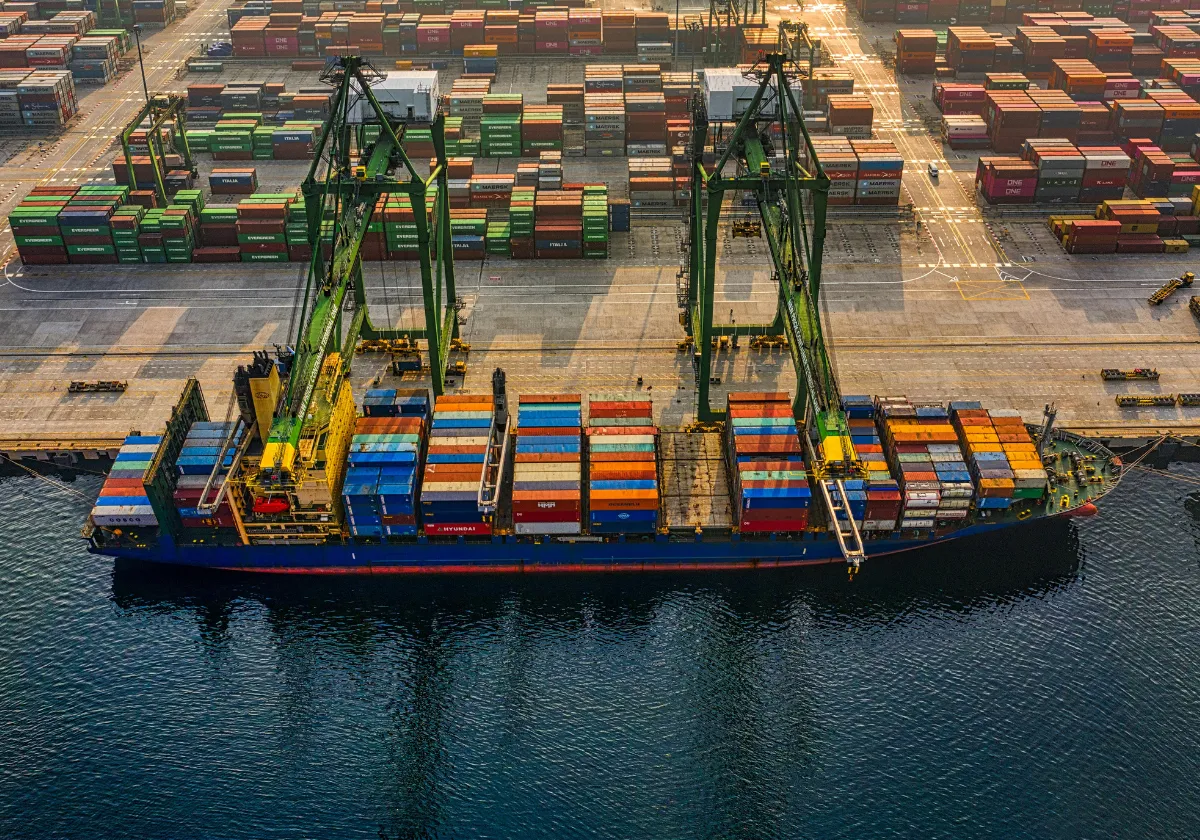
Insurance costs, vessel availability and limited traffic visibility are placing new constraints on shipping through the Strait of Hormuz. As inbound capacity tightens, supply chain

Starbucks has raised product availability from the high 80s to approximately 99% as it expands daily delivery, introduces 24-hour replenishment and strengthens store-level ordering. The
Pallet stability influences freight quality, worker safety and transport efficiency long before a shipment leaves the warehouse. Stronger load design helps reduce product damage, lower
Warehouse AI is reaching production through tightly scoped modules that improve picking and inventory decisions without replacing core management systems. A survey of 300 logistics
Warehouse storage is becoming a strategic asset as operators seek more capacity, higher throughput and better use of existing facilities without expanding their footprint. Well-designed
Supply chain AI is advancing rapidly, but workforce capability is emerging as the factor that will determine whether automation delivers measurable business value. Companies are
Friendshoring is moving supply chains beyond cost optimization toward networks designed for geopolitical resilience and operational continuity. As manufacturers diversify production across trusted trading partners,
ExxonMobil is combining its global Upstream operations under one organization to improve how production, maintenance and reliability are managed across assets. The redesign builds on
Yum Brands is expanding its Byte platform across digital ordering, menus, pricing and restaurant operations. The strategic significance lies in its attempt to introduce common
Supply chain chokepoints have become a structural source of operational and financial risk as geopolitical tension, climate events and logistics disruptions expose hidden dependencies beyond
Insurance costs, vessel availability and limited traffic visibility are placing new constraints on shipping through the Strait of Hormuz. As inbound capacity tightens, supply chain
Starbucks has raised product availability from the high 80s to approximately 99% as it expands daily delivery, introduces 24-hour replenishment and strengthens store-level ordering. The
Pallet stability influences freight quality, worker safety and transport efficiency long before a shipment leaves the warehouse. Stronger load design helps reduce product damage, lower