HPE Rebuilds Its Operating Model Around AI Capacity Constraints
Hewlett Packard Enterprise expects demand for AI infrastructure to remain stronger than available supply for the foreseeable future. Rather than waiting for component markets to

Hewlett Packard Enterprise expects demand for AI infrastructure to remain stronger than available supply for the foreseeable future. Rather than waiting for component markets to

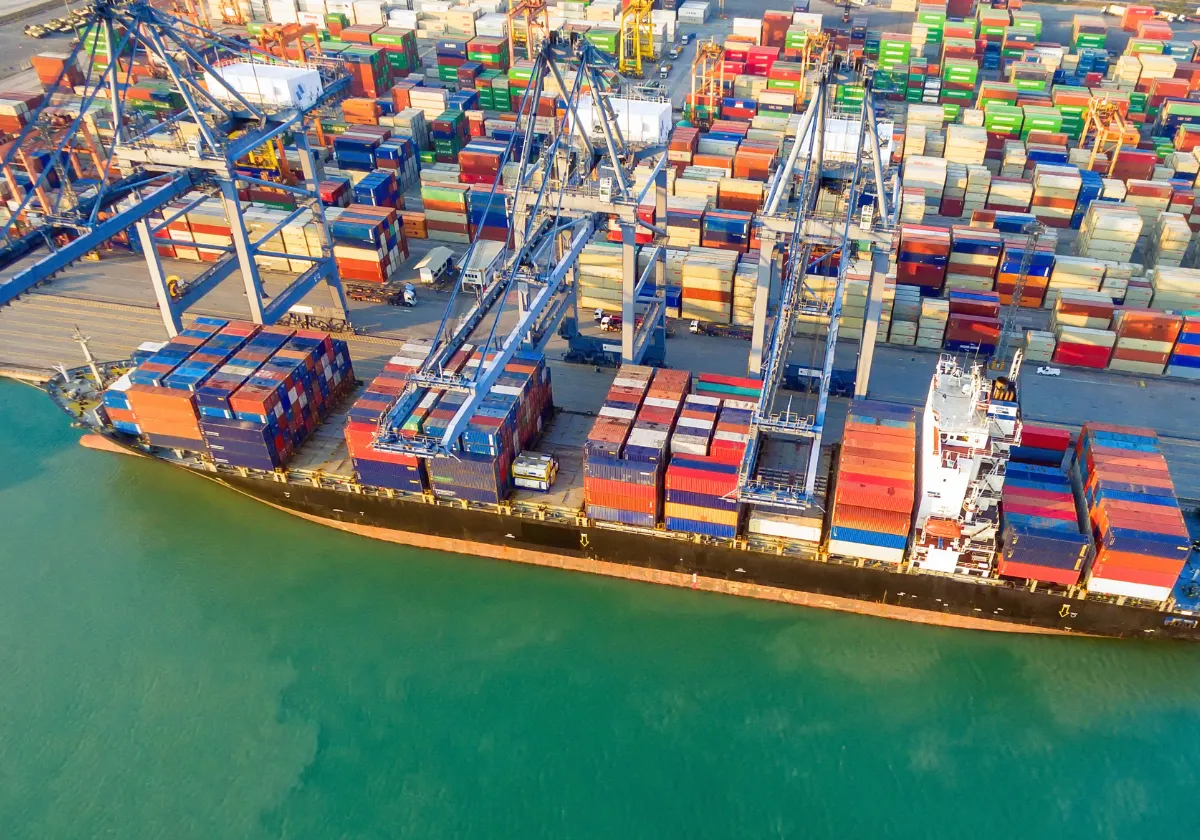
The reopening of the Strait of Hormuz eases pressure on global shipping networks, but carriers and shippers still face weeks of disruption as services, equipment

SupplyChain360 launches London forum on the new value architecture of enterprise supply chains. The value of supply chain is being redrawn. For years, enterprise supply

Warehouse leaders face mounting pressure from labor shortages, automation investment demands and expanding compliance requirements, even as customers expect faster fulfillment and greater visibility. The

Companies are investing heavily in AI for supply chains, yet most networks still rely on fragmented systems, inconsistent data, and manual oversight. New research from

Academy Sports and Outdoors is proving that higher availability does not necessarily require more inventory. By combining RFID-driven inventory visibility, AI-enabled demand capture, and disciplined

The near-shutdown of transit trade through the Strait of Hormuz is a supply chain data problem as much as a freight crisis, and it is
Many supply chain organizations continue to invest heavily in artificial intelligence, yet only a small group are generating consistent business value at scale. New 2026

Last mile delivery performance now depends less on carrier speed than on how internal operations allocate finite promised lead time. New research on e-fulfillment exposes

Supplier risk is becoming a continuous management discipline rather than a periodic compliance task. As geopolitical disruption, cyber threats and regulatory demands intensify, organizations are
Hewlett Packard Enterprise expects demand for AI infrastructure to remain stronger than available supply for the foreseeable future. Rather than waiting for component markets to
The reopening of the Strait of Hormuz eases pressure on global shipping networks, but carriers and shippers still face weeks of disruption as services, equipment
SupplyChain360 launches London forum on the new value architecture of enterprise supply chains. The value of supply chain is being redrawn. For years, enterprise supply
Warehouse leaders face mounting pressure from labor shortages, automation investment demands and expanding compliance requirements, even as customers expect faster fulfillment and greater visibility. The
Companies are investing heavily in AI for supply chains, yet most networks still rely on fragmented systems, inconsistent data, and manual oversight. New research from
Academy Sports and Outdoors is proving that higher availability does not necessarily require more inventory. By combining RFID-driven inventory visibility, AI-enabled demand capture, and disciplined
The near-shutdown of transit trade through the Strait of Hormuz is a supply chain data problem as much as a freight crisis, and it is
Many supply chain organizations continue to invest heavily in artificial intelligence, yet only a small group are generating consistent business value at scale. New 2026
Last mile delivery performance now depends less on carrier speed than on how internal operations allocate finite promised lead time. New research on e-fulfillment exposes
Supplier risk is becoming a continuous management discipline rather than a periodic compliance task. As geopolitical disruption, cyber threats and regulatory demands intensify, organizations are