
Autonomous Supply Chains Depend on Process Intelligence
Agentic AI is attracting unprecedented investment across supply chains, yet autonomous execution depends on far more than advanced models. Organizations are finding that process intelligence,

Agentic AI is attracting unprecedented investment across supply chains, yet autonomous execution depends on far more than advanced models. Organizations are finding that process intelligence,
NVIDIA’s supply constraint is exposing a broader capacity-planning problem. Securing more semiconductor supply will not close the gap unless power, land, construction, cooling and customer
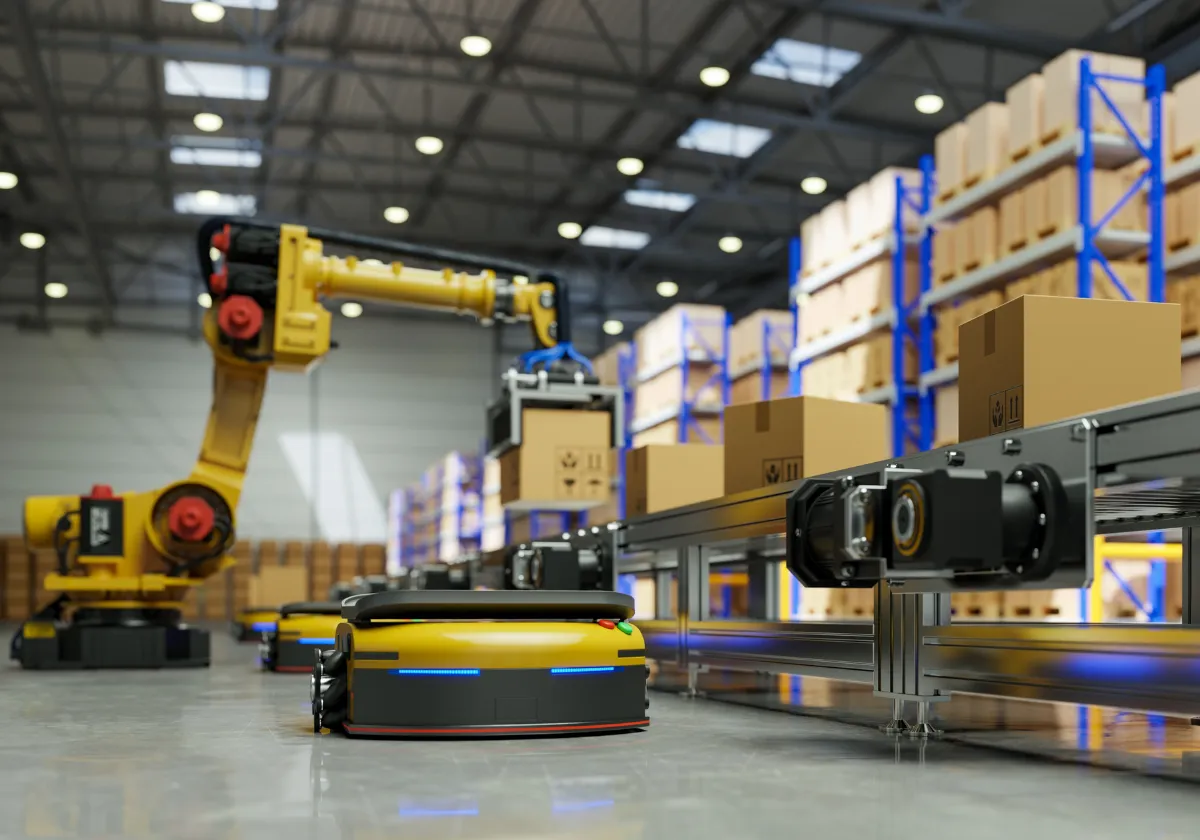
Mobile manipulators give warehouses a way to automate labor-intensive tasks without committing every process to fixed infrastructure. As fulfillment patterns become less predictable, the financial
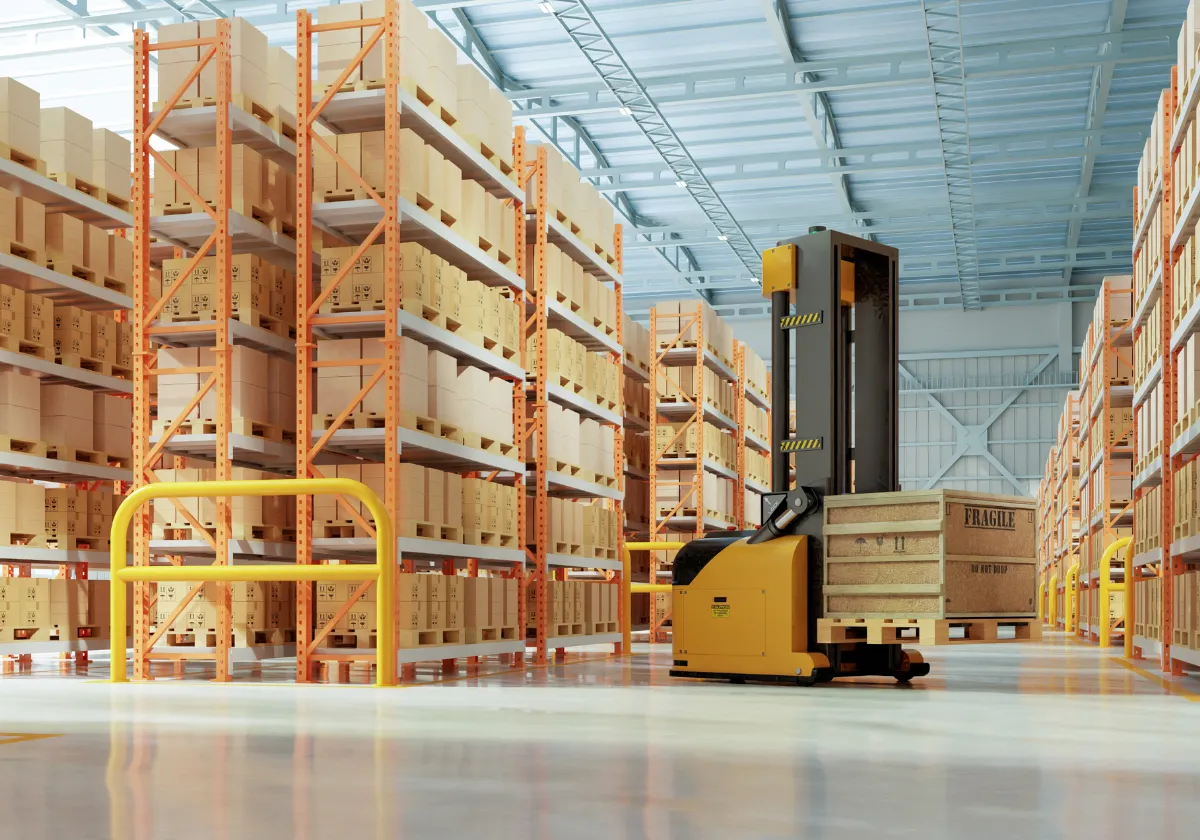
Warehouse AI is reaching production through tightly scoped modules that improve picking and inventory decisions without replacing core management systems. A survey of 300 logistics

Warehouse storage is becoming a strategic asset as operators seek more capacity, higher throughput and better use of existing facilities without expanding their footprint. Well-designed

AI can accelerate supply chain decisions, but it cannot resolve conflicting inventory, planning and execution data. Organizations that establish a governed control layer connecting ERP,

Supply chain AI is advancing rapidly, but workforce capability is emerging as the factor that will determine whether automation delivers measurable business value. Companies are
Robotics adoption is accelerating across warehouses as automation expands beyond high-volume distribution centers into a broader range of fulfillment environments. Software integration, interoperable systems and

Logistics outsourcing is gaining momentum as companies seek greater flexibility in warehouse capacity, technology and labor without expanding fixed infrastructure. As demand becomes less predictable,

Global manufacturers are moving beyond reshoring as a universal solution to supply chain risk, instead investing in diversification, AI and real-time risk management. Accenture’s latest
Agentic AI is attracting unprecedented investment across supply chains, yet autonomous execution depends on far more than advanced models. Organizations are finding that process intelligence,
NVIDIA’s supply constraint is exposing a broader capacity-planning problem. Securing more semiconductor supply will not close the gap unless power, land, construction, cooling and customer
Mobile manipulators give warehouses a way to automate labor-intensive tasks without committing every process to fixed infrastructure. As fulfillment patterns become less predictable, the financial
Warehouse AI is reaching production through tightly scoped modules that improve picking and inventory decisions without replacing core management systems. A survey of 300 logistics
Warehouse storage is becoming a strategic asset as operators seek more capacity, higher throughput and better use of existing facilities without expanding their footprint. Well-designed
AI can accelerate supply chain decisions, but it cannot resolve conflicting inventory, planning and execution data. Organizations that establish a governed control layer connecting ERP,
Supply chain AI is advancing rapidly, but workforce capability is emerging as the factor that will determine whether automation delivers measurable business value. Companies are
Robotics adoption is accelerating across warehouses as automation expands beyond high-volume distribution centers into a broader range of fulfillment environments. Software integration, interoperable systems and
Logistics outsourcing is gaining momentum as companies seek greater flexibility in warehouse capacity, technology and labor without expanding fixed infrastructure. As demand becomes less predictable,
Global manufacturers are moving beyond reshoring as a universal solution to supply chain risk, instead investing in diversification, AI and real-time risk management. Accenture’s latest