Logistics outsourcing is gaining momentum as companies seek greater flexibility in warehouse capacity, technology and labor without expanding fixed infrastructure. As demand becomes less predictable, the financial case increasingly rests on capital efficiency, service performance and disciplined execution rather than cost alone.
Flexibility Drives The Outsourcing Economics
The financial case for logistics outsourcing starts with capacity. An internally operated warehouse requires commitments to buildings, equipment, software and permanent labor based on an expected volume profile. Forecast error can leave the network carrying unused space during a downturn or struggling to add resources when demand rises.
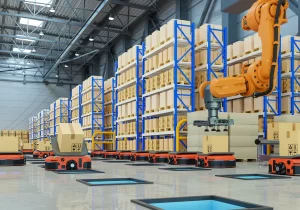
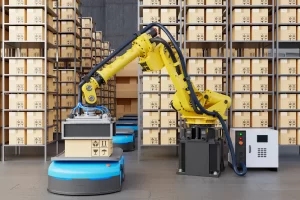
A third-party logistics provider can spread those investments across customers and facilities. The model gives companies access to warehouse capacity, automation and specialist labor without funding every asset directly. It also aligns a larger share of operating expense with activity, supporting capital discipline during expansion and providing more room to absorb seasonal or market volatility.
That flexibility has become more relevant as order patterns, labor availability and technology requirements change. GXO’s report found that 86% of businesses are investing in supply chain transformation, even though most logistics activity remains in-house. Outsourcing therefore represents a potential financing decision as well as an operating decision. Capital that would have funded additional warehouse infrastructure can be directed toward growth, product development or other network priorities.
The economics still depend on how effectively external capacity supports service, inventory and throughput objectives. A lower warehousing bill can lose value if the arrangement creates longer lead times, weaker inventory control or expensive contract changes. The business case needs to measure total network performance across cost, service, working capital and resilience.
Transitions Reveal The Real Operating Test
Two warehouse transfers cited by GXO show that successful outsourcing requires more than handing over a building. At an automated German distribution center, a global retailer increased annual handling capacity from 37 million units to 55 million after transferring operations to GXO. The additional throughput supported entry into more European markets without requiring the retailer to establish a separate operating platform.
A second transition in the Netherlands and Belgium involved about 80 full-time employees, approximately 15,000 stock-keeping units and the introduction of a warehouse management system. GXO retained 96% of the workforce. That continuity matters because experienced employees carry operational knowledge covering inventory locations, exception management, equipment and customer requirements.
Technology and labor migration are often the hidden constraints in an outsourcing program. Warehouse management systems must connect cleanly with planning, transportation and order platforms. Workforce transfers must preserve process knowledge while establishing new governance and performance expectations. Weak execution in either area can delay savings and disrupt service.
Outsourcing Changes Capital Choices
As automation, fulfillment technology and warehouse networks become more capital intensive, logistics outsourcing will increasingly be evaluated alongside other long-term investment options rather than as a standalone procurement decision. Organizations that measure outsourced capacity against return on capital, working capital performance and network resilience can make more consistent decisions about when to own infrastructure and when to access it through strategic partners.