
Yum Builds a Common Operating Platform Across Its Franchise Network
Yum Brands is expanding its Byte platform across digital ordering, menus, pricing and restaurant operations. The strategic significance lies in its attempt to introduce common

Yum Brands is expanding its Byte platform across digital ordering, menus, pricing and restaurant operations. The strategic significance lies in its attempt to introduce common
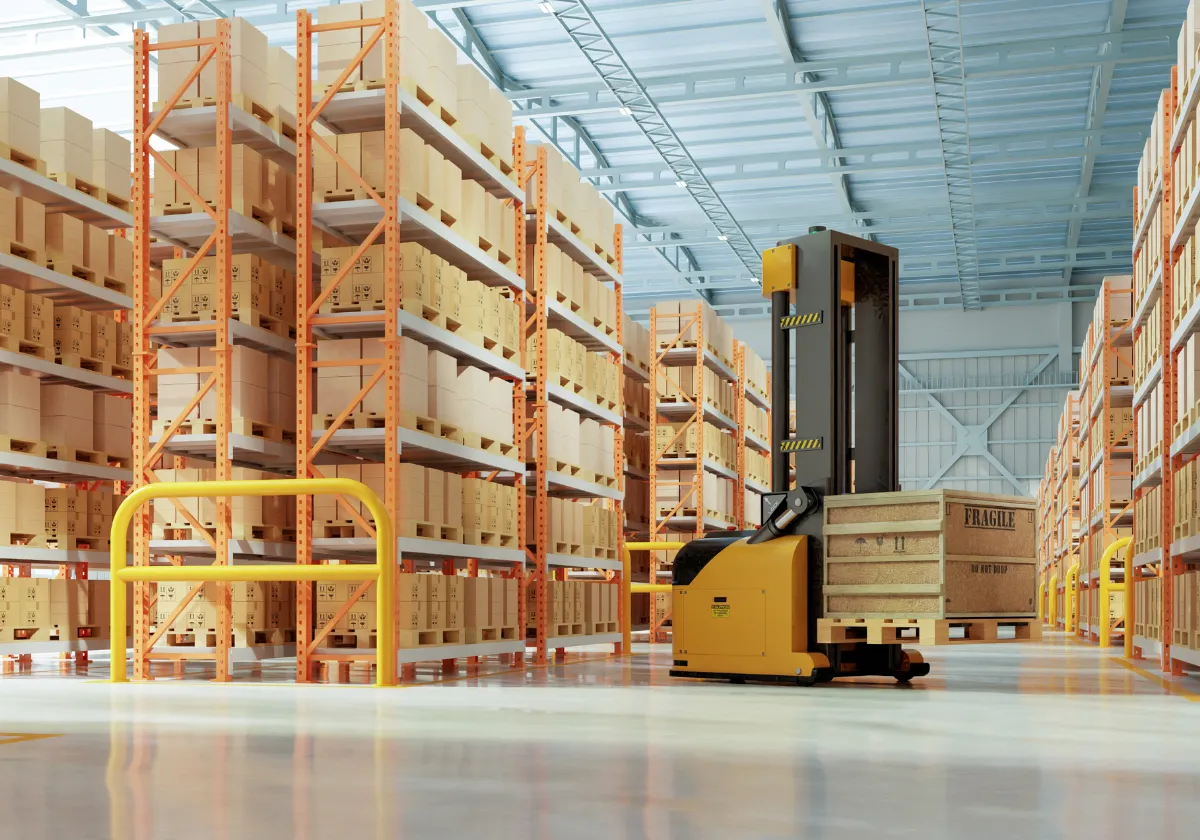
Pallet stability influences freight quality, worker safety and transport efficiency long before a shipment leaves the warehouse. Stronger load design helps reduce product damage, lower

Warehouse automation is redefining how fulfillment capacity is built as automated storage and retrieval systems support denser inventory, faster execution and tighter service commitments. Their
Lights-out cross docks are extending warehouse automation into the middle mile, using robotics, AI and real-time orchestration to accelerate freight movement between facilities. As these

Real-time inventory visibility is becoming a foundational capability for supply chain performance as cloud ERP makes live stock data accessible beyond large enterprises. With working

Artificial intelligence is reshaping more than enterprise technology. It is changing how infrastructure suppliers manage inventory, working capital and product availability. As demand for servers,
Logistics networks are shifting execution decisions closer to warehouses, yards and docks where disruptions first emerge. By combining real-time data with AI-driven orchestration, companies are

Enterprise supply chains are under increasing pressure to deliver faster service while controlling costs. Yet many networks are still designed to maximise throughput, assuming that

Rail operators are under increasing pressure to move more freight without proportionally increasing labor, locomotives or infrastructure. Rising demand, higher fuel costs and persistent inflation
Warehouse storage automation is helping distribution networks increase capacity, improve accuracy and reduce dependence on manual handling as fulfillment demands grow. The greatest returns come
Yum Brands is expanding its Byte platform across digital ordering, menus, pricing and restaurant operations. The strategic significance lies in its attempt to introduce common
Pallet stability influences freight quality, worker safety and transport efficiency long before a shipment leaves the warehouse. Stronger load design helps reduce product damage, lower
Warehouse automation is redefining how fulfillment capacity is built as automated storage and retrieval systems support denser inventory, faster execution and tighter service commitments. Their
Lights-out cross docks are extending warehouse automation into the middle mile, using robotics, AI and real-time orchestration to accelerate freight movement between facilities. As these
Real-time inventory visibility is becoming a foundational capability for supply chain performance as cloud ERP makes live stock data accessible beyond large enterprises. With working
Artificial intelligence is reshaping more than enterprise technology. It is changing how infrastructure suppliers manage inventory, working capital and product availability. As demand for servers,
Logistics networks are shifting execution decisions closer to warehouses, yards and docks where disruptions first emerge. By combining real-time data with AI-driven orchestration, companies are
Enterprise supply chains are under increasing pressure to deliver faster service while controlling costs. Yet many networks are still designed to maximise throughput, assuming that
Rail operators are under increasing pressure to move more freight without proportionally increasing labor, locomotives or infrastructure. Rising demand, higher fuel costs and persistent inflation
Warehouse storage automation is helping distribution networks increase capacity, improve accuracy and reduce dependence on manual handling as fulfillment demands grow. The greatest returns come