
AI Skills Shortages Are Slowing Supply Chain Transformation
AI talent is getting harder to find as supply chains expand their use of the technology. Companies are finding that employees who already understand suppliers,

AI talent is getting harder to find as supply chains expand their use of the technology. Companies are finding that employees who already understand suppliers,
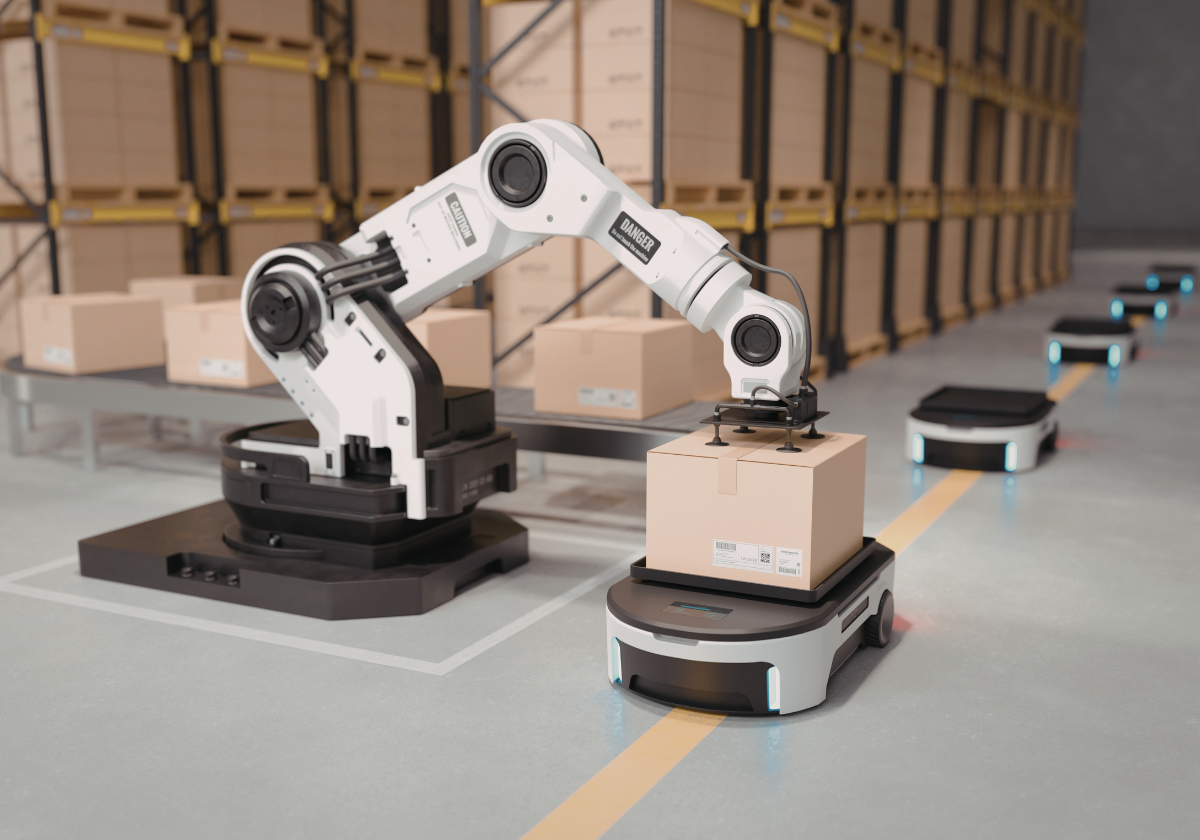
Robotics investment is increasingly confronting a practical constraint inside factories and warehouses. Work rarely stays constant throughout a shift. Volumes change, congestion moves and labor

HPE is using multiyear supplier agreements and record purchase commitments to secure components before customer demand can be converted into shipments. Its approach points to

AI trade barriers are becoming core supply chain constraints, changing how networks are designed, where capacity is placed, and which partners can keep pace. Uneven
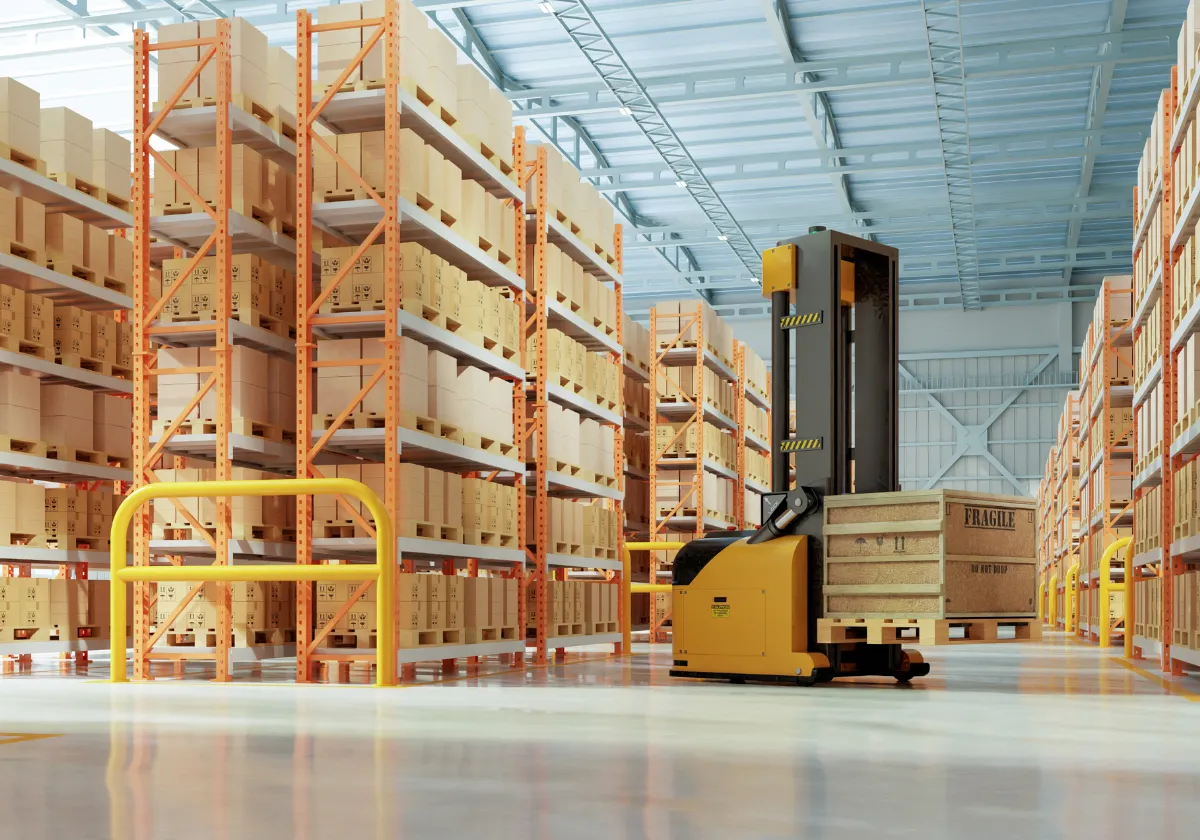
A cracked pallet or unstable load can remain unnoticed until it becomes a damaged shipment, blocked aisle or safety incident. In dense warehouses, the cost
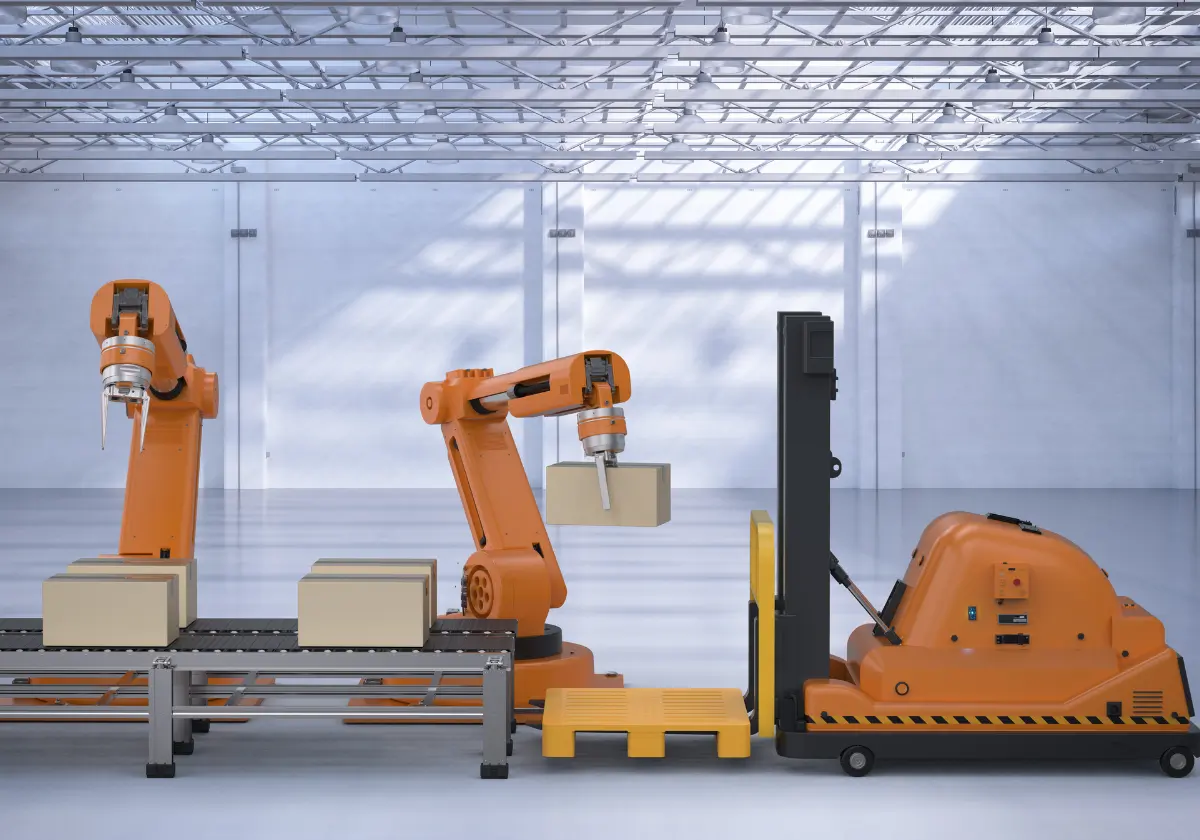
Automated storage and retrieval systems are moving from niche installations to core warehouse infrastructure as robotics and software maturity converge. Recent deployments in Europe and

Robotic grasping is emerging as one of the biggest barriers to broader warehouse automation, with irregular packaging and mixed-SKU inventory continuing to challenge autonomous systems.

Warehouse operators are increasing investment in artificial intelligence as businesses seek faster fulfillment, stronger productivity and better use of labor. A new global survey from

Rising attacks on customer records push e-commerce logistics data security into core network design, not just compliance reporting. Treating every step of order flow as

Walmart is directing more digital volume through its stores, automated facilities and local delivery network. Greater network density contributed to double-digit incremental margins on additional
AI talent is getting harder to find as supply chains expand their use of the technology. Companies are finding that employees who already understand suppliers,
Robotics investment is increasingly confronting a practical constraint inside factories and warehouses. Work rarely stays constant throughout a shift. Volumes change, congestion moves and labor
HPE is using multiyear supplier agreements and record purchase commitments to secure components before customer demand can be converted into shipments. Its approach points to
AI trade barriers are becoming core supply chain constraints, changing how networks are designed, where capacity is placed, and which partners can keep pace. Uneven
A cracked pallet or unstable load can remain unnoticed until it becomes a damaged shipment, blocked aisle or safety incident. In dense warehouses, the cost
Automated storage and retrieval systems are moving from niche installations to core warehouse infrastructure as robotics and software maturity converge. Recent deployments in Europe and
Robotic grasping is emerging as one of the biggest barriers to broader warehouse automation, with irregular packaging and mixed-SKU inventory continuing to challenge autonomous systems.
Warehouse operators are increasing investment in artificial intelligence as businesses seek faster fulfillment, stronger productivity and better use of labor. A new global survey from
Rising attacks on customer records push e-commerce logistics data security into core network design, not just compliance reporting. Treating every step of order flow as
Walmart is directing more digital volume through its stores, automated facilities and local delivery network. Greater network density contributed to double-digit incremental margins on additional



