Warehouse capacity depends on how efficiently inventory moves through the building rather than how much floor space is occupied. Better slotting, vertical storage and flow design can increase throughput, strengthen inventory accuracy and reduce working-capital pressure before additional space is required.
Capacity Must Be Measured in Flow
The strategic break is a shift from floor occupancy to cube-and-flow economics. A warehouse can report little available floor area while still wasting vertical positions, misallocating fast-moving stock and consuming valuable dock-adjacent space with slow inventory. Capacity therefore depends on how much product the operation can receive, store, retrieve and ship within service and safety constraints.
Congestion converts poor layout into recurring operating cost. Longer travel distances raise labor hours and equipment use, while blocked aisles and crowded staging zones interrupt replenishment and outbound sequencing. A delayed pick can miss a carrier collection window, pushing a warehouse inefficiency into detention exposure, inconsistent delivery performance and additional handling.
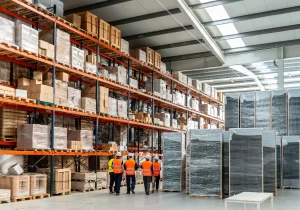
Slotting is the fastest diagnostic because it connects location policy with demand behavior. High-velocity items generally belong near packing, replenishment and dispatch points. Bulky or slower-moving inventory can use less accessible positions when handling and safety rules permit. The analysis must be refreshed as order profiles change. A layout based on last year’s demand steadily creates extra travel and replenishment work.
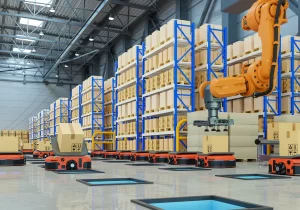
Vertical storage can defer a lease or building project. Cubic capacity still carries engineering and operational constraints. Taller racks and narrower aisles may require different lift equipment, revised sprinkler coverage, stronger floors, protected egress and compliance with local fire and seismic rules. The investment case should include those changes, along with any effect on pick speed and replenishment frequency.
Layout Decisions Reach Beyond the Building
Layout quality also shapes the balance sheet. Poorly located or difficult-to-count stock weakens inventory records, encourages emergency purchases and can lead planners to carry additional safety stock. Better location control and clearer identification support cycle counting and improve the confidence behind procurement and replenishment decisions. The result can be lower working capital without reducing intended service protection.
Outbound reliability requires protected space for flow. Receiving, quarantine, value-added work and dispatch each need defined buffers. Filling every open position with inventory can leave no room to absorb an inbound surge or sequence urgent orders. Peak periods expose this weakness because temporary overflow often occupies the same routes needed for picking and replenishment.
A disciplined redesign starts with warehouse management system data: item velocity, order affinity, cube, handling requirements, touches and travel time. Teams can map congestion by hour, test alternative slotting rules and measure whether changes improve lines picked, dock cycle time and inventory accuracy. Simulation or a digital twin can help compare layouts before racks, equipment or labor routines are changed.
Governance matters as much as the initial design. Commercial promotions, sourcing changes and product introductions continually alter inventory flows. Monthly or quarterly slotting reviews, supported by exception triggers for sharp demand shifts, keep the physical network aligned with the plan. Finance, transportation and safety functions should participate because a local density gain can create capital, pickup or compliance costs elsewhere.
Capacity Reviews Should Follow Demand Patterns
Warehouse layouts benefit from regular reassessment as product mix, order profiles and customer requirements change. Using warehouse management data to review slotting, travel patterns and staging capacity on a recurring basis helps ensure that physical space continues to support service, inventory accuracy and throughput without relying on additional facilities before they are genuinely needed.