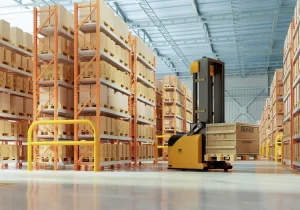
Warehouse microgrid energy resilience has become a design decision as grid instability rises and automated facilities depend on uninterrupted power. On site generation and battery storage turn energy into a managed lever for continuity, cost discipline, and carbon performance across distribution networks.
Power Architecture as a Core Network Variable
Power reliability belongs on the same checklist as transport capacity, inventory cover, and labor availability. Aging transmission assets, higher peak loads, and more frequent weather events push outage probability up, and warehouse nodes carry heavy exposure: automated handling, cold storage, life safety systems, and the software stack for orders and inventory all depend on steady electricity. When power fails, service levels, product integrity, and security can deteriorate within minutes.
Conventional diesel and gas generators still provide a hedge, but they were built as stand alone emergency assets. Fuel logistics, emissions, maintenance intensity, and noise complicate their use as a long term foundation for heavily automated, energy hungry facilities. As electric lift truck fleets expand and more conveyors, shuttles, and sorters come online, a single feed from the central grid backed only by generators turns into a concentrated risk inside the wider network.
Microgrids and distributed energy resources bring energy into the heart of network design. A local grid that can run with or without the main utility, blend multiple sources, and prioritize critical loads gives planners a tool to match power resilience with node criticality. High volume DCs, cold chain hubs, and sites in outage prone regions can be specified with on site generation and storage in the same structured way that certain nodes warrant dual sourcing or extra carrier redundancy.
That choice touches site selection and layout. Large roof areas suit solar arrays, yards can host storage containers and backup generators, and interconnection capacity with the local utility limits how much power the site can import or export. The result is a power architecture that supports the intended automation profile and service promise instead of lagging behind them.
From Backup Equipment To Orchestrated Energy Capacity
Pairing solar or wind with battery energy storage turns a warehouse from a passive bill payer into an active manager of energy capacity. Batteries enable time shifting: facilities charge them when tariffs are low or renewable output is high, then discharge through peaks or brief interruptions. This dampens exposure to demand charges, which feed directly into handling cost per unit and decisions on where to place high velocity or temperature sensitive inventory.
A microgrid with storage also supports a deliberate hierarchy of loads. Facilities can define which systems must stay energised under any circumstance, which can throttle down, and which can shut off cleanly. Automation controls, refrigeration, security, and core software can be ringfenced, while nonessential loads pause. This approach keeps cycle times more predictable during grid events and reduces the need for ad hoc manual workarounds.
Battery chemistry and sourcing strategy shape risk as much as performance. Lead based storage benefits from mature domestic supply and recycling chains, while lithium and vanadium units offer higher density and different cycle profiles but depend more heavily on global raw materials. A program framed around resilience and decarbonisation must weigh energy density and lifetime against exposure to upstream shortages or price swings.
When microgrids integrate charging for electric material handling fleets, energy management starts to coordinate the facility’s two largest loads: motive power and building systems. Fleet performance tools expose charge patterns and usage; energy software can then smooth internal peaks, align charging with low tariff windows, and rely on storage as a buffer. This tighter link between shift design, slotting, and energy draws makes it easier to hit both service and cost targets.
In deregulated markets, on site systems can also earn revenue. Excess solar generation or stored energy can be exported during regional peaks, and participation in programs such as community solar creates additional value streams. For large buildings with extensive roof space, these inflows help offset microgrid capex and improve the payback profile relative to other warehouse investments.
A Tighter Link Between Energy and Supply Strategy
Treating microgrids and storage as part of network strategy opens the door to decisions that cut across finance, risk, and commercial plans. Once power resilience, tariff structure, and potential export revenue appear in the same models as transport lanes and labor pools, it becomes easier to assign specific roles to each node: which facilities carry sensitive inventory, which absorb volatile demand, and which anchor low cost, energy intensive flows. That level of clarity turns energy from a background utility line into a planning variable that shapes footprint, automation, and SKU allocation in a consistent way.