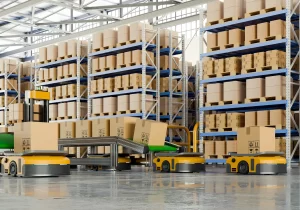
Warehouses generate a constant stream of motion, decisions, and trade-offs, yet most systems still model pick activity using broad averages that fail to capture how work actually unfolds on the floor. Neural networks are shifting that dynamic by drawing on real operating data, from item profiles to congestion patterns, to produce far more accurate predictions of pick times and worker travel paths.
Why Traditional Averages Fail in Real Picking
Walk any warehouse during a peak shift and the limits of static planning models become clear. A picker handling small components at waist height moves very differently from someone lifting oversized cartons from upper racks. Item mix, equipment availability, local congestion, and late-day fatigue all influence pace and sequencing, but many systems still flatten this reality into generic time standards.
Neural networks offer an alternative grounded in what the warehouse is actually doing, not what planners assume it will do. They ingest a wide range of variables: item characteristics, slotting locations, order density, worker history, equipment type, and even predictable congestion patterns tied to inbound or outbound waves. According to trade reports, the volume of sensor-level data from AMRs, handheld devices, and wearables has climbed steadily over the past two years, giving models richer visibility into movement and delay patterns that previously went unrecorded.
The result is a system that learns how real pick time varies under different conditions, improving labor planning, shift allocation, and service commitments with each cycle of new data.
Routing That Reflects How Workers Actually Move
Predicting task duration is only half of the operational equation. The other half, reducing travel, often yields the bigger performance gains, but traditional optimization engines can be brittle when confronted with real-world variability. Aisles back up, forklifts idle in intersections, and workers make instinctive detours to avoid bottlenecks.
Neural networks learn those tendencies directly from historical movement data captured through scanners, voice systems, or tracking sensors. Instead of computing a mathematically ideal path in isolation, the model identifies routes that experienced pickers routinely use because they avoid congestion or reduce stop-start motion. This approach surfaces patterns that conventional solvers miss, for example, when a picker steps briefly into an aisle to grab a near-end SKU rather than walking the full length, or when alternating between Z-picking and ladder-style patterns saves time across certain zones.
Safety constraints remain fully embedded, ensuring that optimized routes do not compromise travel protocols or equipment separation rules. But the recommendations feel more natural because they mirror how the best workers already navigate the floor.
How Neural Models Are Shaping Network Decisions
A growing number of automation and software vendors are now feeding neural models with telemetry from AMRs, robotic picking systems, and high-frequency location data, an integration noted across recent product releases and industry briefings. As those datasets expand, planning decisions that were once confined to individual warehouses are increasingly influenced by network-wide behavioral patterns. That shift matters: it suggests that the next gains in fulfillment performance may come less from individual algorithmic improvements and more from how well organizations connect neural insights across facilities with different layouts, labor mixes, and automation footprints. The opportunity ahead lies in recognizing that these models do not just optimize tasks, they reveal how networks function under stress, offering signals that were previously too dispersed or too granular to use in daily decision-making.