Kroger is shifting its e-commerce logic from automation-heavy fulfillment centers to store-led rapid delivery, using density economics to strike a balance between speed, cost, and capital intensity. The move reframes how retailers think about scaling convenience without overbuilding fixed assets.
In Brief:
Stores Become the Primary Fulfillment Fabric
Kroger is pivoting toward its most scalable asset: its 2,700-plus stores. Instead of relying on capital-intensive automated fulfillment centers, the company is using store inventory to feed online demand. “Stores are our most important asset, and when we use our stores to fulfill online orders, the inventory is closer to customers and the last mile delivery costs are lower,” said Ronald Sargent, Chairman and Interim CEO.
The inflection point came this quarter as delivery volumes surpassed pickup for the first time. With “delivery in under 2 hours from 97% of our stores,” as David John Kennerley, EVP & CFO emphasized, the company is proving that proximity, not centralization, is what secures speed and cost advantage in grocery e-commerce.
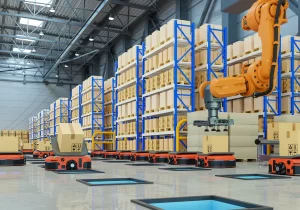
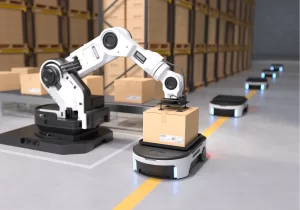
The strategic review underway is explicit about testing the limits of automation. “Where we have seen strong demand in high-density areas, these facilities deliver better results than those facilities where density is lower, and customer adoption has been slower,” Sargent said. The decision logic is density-first: capital-intensive hubs only pay off when volumes are concentrated enough to justify the spend.
Technology Accelerates In-Store Picking
The store-led model depends on compressing pick and pack cycles without disrupting frontline operations. Kroger is scaling tools that multiply pick speed and accuracy. “Technology is a big part of the answer. And whether that’s AI, which we’re already using to pick multiple orders at the same time. Electronic shelf tags, we are rolling out across the company… In some stores, depending on the delivery volume, you may have special picking areas,” Sargent explained.
The combination of AI batching, shelf automation, and dedicated zones transforms store labor into a rapid-response fulfillment workforce. The model is designed to flex with order density: high-demand locations justify specialized zones, while lower-density stores can still run efficient picking through AI-enabled orchestration.
The Strategic Break: Density Over Automation
Kroger’s decision to favor stores as fulfillment nodes marks a broader break in e-commerce design. For years, the assumption was that automation-heavy centralized hubs were the future-proof path to profitability. Kroger’s review challenges that orthodoxy, showing that in many geographies, density trumps robotics. By aligning fulfillment with where customers already are, the company avoids capex overbuild while still meeting the rising demand for two-hour delivery.