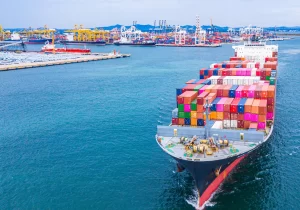
Transportation emissions increasingly reflect the same routing, loading and carrier decisions that determine freight cost and service performance. Using standardized emissions factors within daily planning gives supply chains a measurable way to reduce waste while strengthening network efficiency and reporting quality.
Emissions Enter The Transportation Decision Model
Transportation networks typically optimize cost, capacity and service through weekly operating reviews, routing tools and carrier contracts. Emissions sit outside that cadence, often calculated quarterly for corporate reporting. This separation prevents planners from seeing the carbon consequences of the same empty miles, low utilization and idle time that inflate transportation spend.
The strategic break occurs when emissions move from a reporting output to a planning input. Route, load and fuel data can support both cost and carbon calculations, allowing each shipment decision to be assessed through a common operating view. The existing transportation data foundation can support this shift without requiring wholesale system replacement.
EPA SmartWay emission factors provide a consistent basis for evaluating modes and carriers, while SASB TR-RO offers a framework for connecting transportation calculations to disclosure. Applying these standards within planning workflows gives carbon a defined unit, methodology and review cycle. It also makes emissions performance comparable across routes, carriers and operating periods.
Shipment Precision Reveals The Operational Cause
Shared transportation networks require more detail than broad industry averages can provide. A shipment moving through pickup, terminal handling, linehaul and final delivery consumes a portion of several assets. Allocating mileage, fuel, equipment time and handling activity across those stages creates a more credible emissions result and a clearer view of cost to serve.
This precision identifies the operating conditions behind both outcomes. Circuitous collection routes, weak trailer utilization, unnecessary terminal moves and poor load consolidation raise cost and emissions together. Shipment-level calculations show where the exposure originates, making corrective action possible at the lane, load or route level.
Carrier selection can follow the same logic. SmartWay carrier information can be incorporated alongside rates, service history and capacity commitments during procurement and routing decisions. Verifiable allocation methods also matter as customer sustainability requirements enter quarterly reviews and bid processes.
Mode and Equipment Choices Require Network Redesign
An integrated model improves decisions about electric vehicles, rail and alternative fuels. Electric vehicles become more viable when routes, loads and charging requirements are designed around their operating characteristics. Replacing diesel equipment on identical routes can obscure the economic case because the original network was optimized for a different technology.
The same planning discipline applies to intermodal rail. Longer corridors with sufficient transit flexibility may offer lower cost and emissions per ton-mile, but service requirements, transfer points and inventory implications must remain visible. A carbon score cannot override delivery commitments or create unplanned working-capital exposure.
The appropriate decision lens combines four variables, cost to serve, carbon per shipment, service risk and network constraints. Planners should pressure-test route length, equipment availability, transit-time tolerance and load density before changing modes or assets. This prevents annual emissions targets from producing isolated decisions that weaken execution elsewhere in the network.
Carbon Data Will Influence Commercial Decisions
As emissions reporting becomes more consistent across shippers and carriers, transportation data will increasingly shape procurement, customer relationships and network investment. Organizations that can trace emissions to individual shipments, routes and operating decisions will be better prepared to support customer requirements, evaluate carrier performance and direct capital toward changes that improve both transportation efficiency and long-term network resilience.