Cal-Maine Adds Capacity but Can It Fill the Lines?
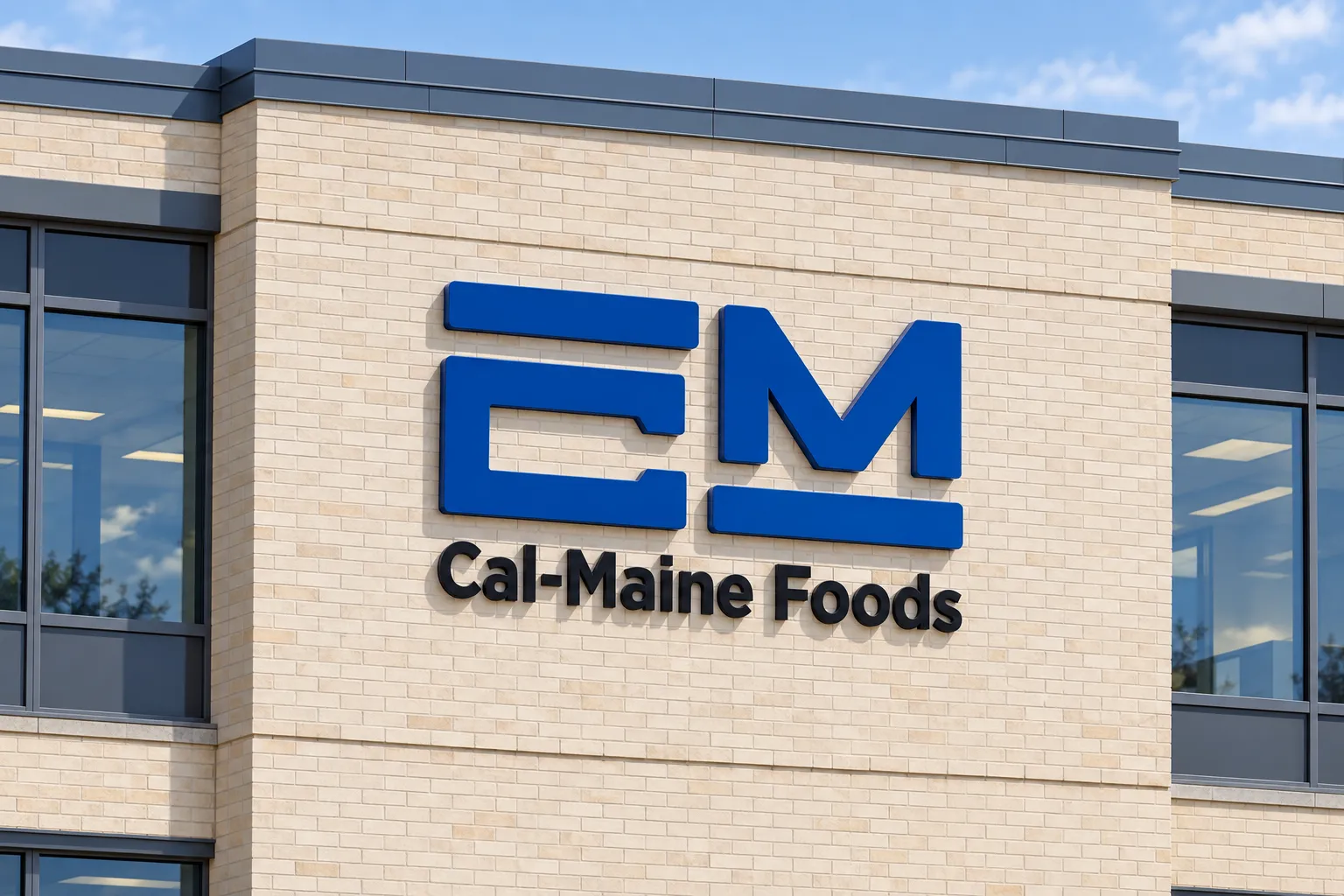
Cal-Maine plans to increase prepared foods production capacity by more than 60% by the first half of fiscal 2028. The harder task is converting those

Cal-Maine plans to increase prepared foods production capacity by more than 60% by the first half of fiscal 2028. The harder task is converting those

Gartner expects autonomous AI planning to remain limited through 2030 despite substantial investment in supply chain automation. The forecast suggests organizations are finding that reliable
Costco plans to add approximately 30 net new warehouses annually for the next five to 10 years, but expects capital expenditure growth to slow after
Danone leads Gartner’s 2026 Consumer Products Supply Chain Top 10, ahead of L’Oréal and Colgate-Palmolive. For supply chain leaders, Gartner’s broader research highlights a practical
Walmart tops Gartner’s 2026 Retail Supply Chain Top 10, ahead of JD.com and Inditex. For retail supply chain leaders, the wider message is about how
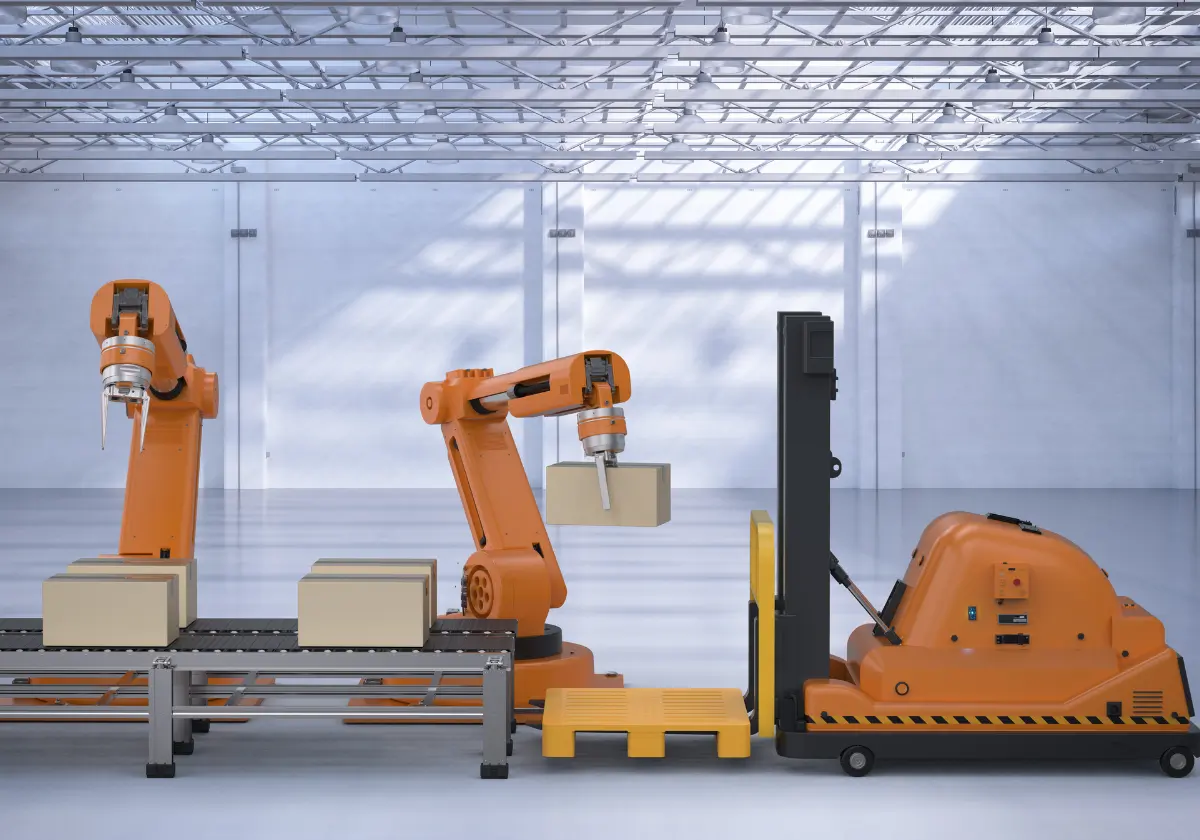
Warehouse automation promises more capacity and less repetitive work, but buying equipment before resolving process weaknesses can make those weaknesses more expensive. Amazon’s robotics program

Unified commerce logistics is absorbing more than a 20% rise in global fulfillment and transport costs over three years, even as expectations for fast, flexible

A shipment alert can arrive instantly. Deciding which customer receives scarce inventory, whether to pay for faster transport, or when to challenge a supplier requires

AI is giving supply chains faster analysis, broader visibility and greater automation. The workforce question is becoming more demanding as companies need people who can
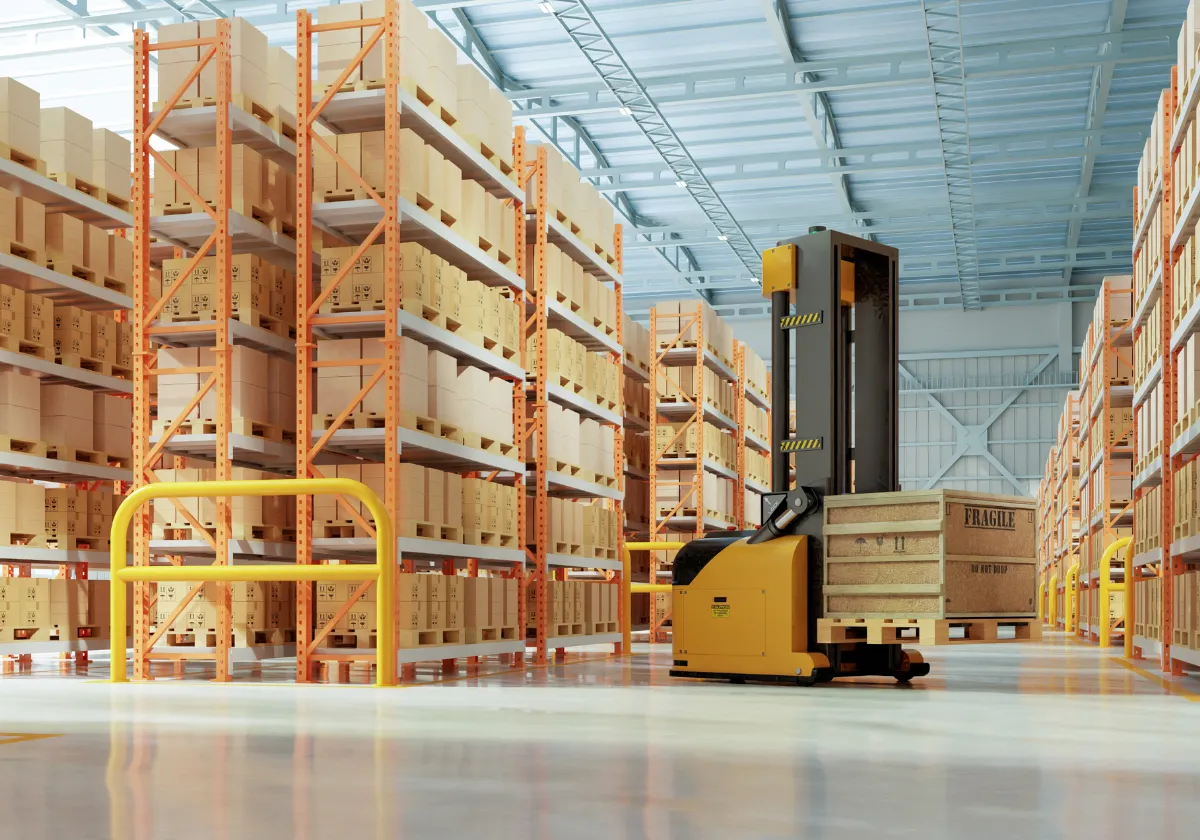
Modular warehouse automation is emerging as a strategic response to rising customization risk, project overruns, and brittle fulfillment networks. Designing standardized ‘building blocks’ that can
Cal-Maine plans to increase prepared foods production capacity by more than 60% by the first half of fiscal 2028. The harder task is converting those
Gartner expects autonomous AI planning to remain limited through 2030 despite substantial investment in supply chain automation. The forecast suggests organizations are finding that reliable
Costco plans to add approximately 30 net new warehouses annually for the next five to 10 years, but expects capital expenditure growth to slow after
Danone leads Gartner’s 2026 Consumer Products Supply Chain Top 10, ahead of L’Oréal and Colgate-Palmolive. For supply chain leaders, Gartner’s broader research highlights a practical
Walmart tops Gartner’s 2026 Retail Supply Chain Top 10, ahead of JD.com and Inditex. For retail supply chain leaders, the wider message is about how
Warehouse automation promises more capacity and less repetitive work, but buying equipment before resolving process weaknesses can make those weaknesses more expensive. Amazon’s robotics program
Unified commerce logistics is absorbing more than a 20% rise in global fulfillment and transport costs over three years, even as expectations for fast, flexible
A shipment alert can arrive instantly. Deciding which customer receives scarce inventory, whether to pay for faster transport, or when to challenge a supplier requires
AI is giving supply chains faster analysis, broader visibility and greater automation. The workforce question is becoming more demanding as companies need people who can
Modular warehouse automation is emerging as a strategic response to rising customization risk, project overruns, and brittle fulfillment networks. Designing standardized ‘building blocks’ that can