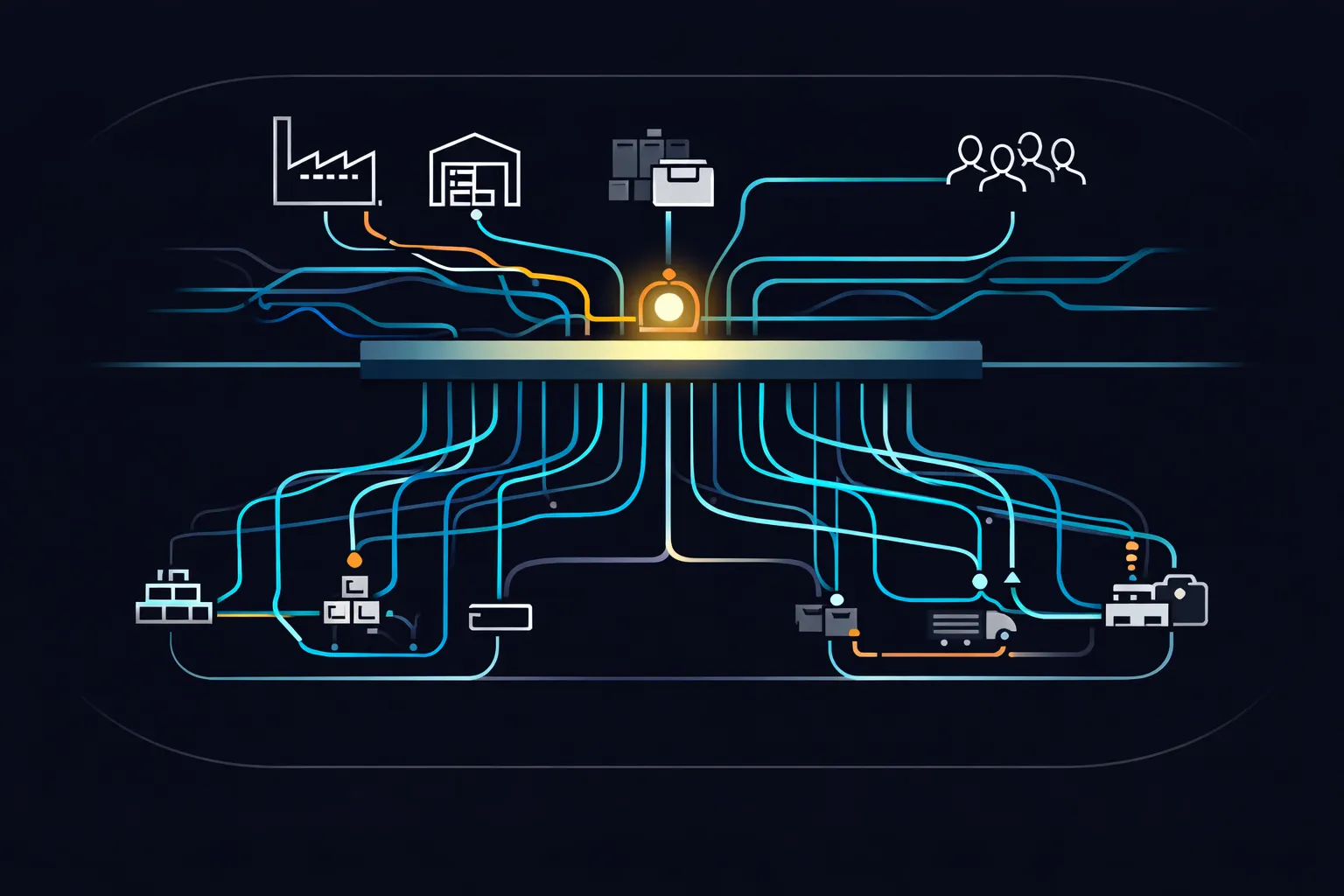
Supply Chain Orchestration Demands Real-Time Control
Supply chain orchestration links data, decisions, and execution into a single rhythm across tiers, systems, and partners. As networks stretch across regions and channels, this

Supply chain orchestration links data, decisions, and execution into a single rhythm across tiers, systems, and partners. As networks stretch across regions and channels, this

If social feeds are any guide, generative artificial intelligence can now handle everything from drafting emails to orchestrating operations. Vendors increasingly claim that large language

Supply chain leaders are recasting cost control as a continuous, network-wide discipline under rising geopolitical and freight pressure. By linking data, decisions, and governance, AI

Walmart’s latest disclosures show an inventory engine rebuilt around automation, AI and store-based fulfilment, with operating income now growing faster than sales and e-commerce running
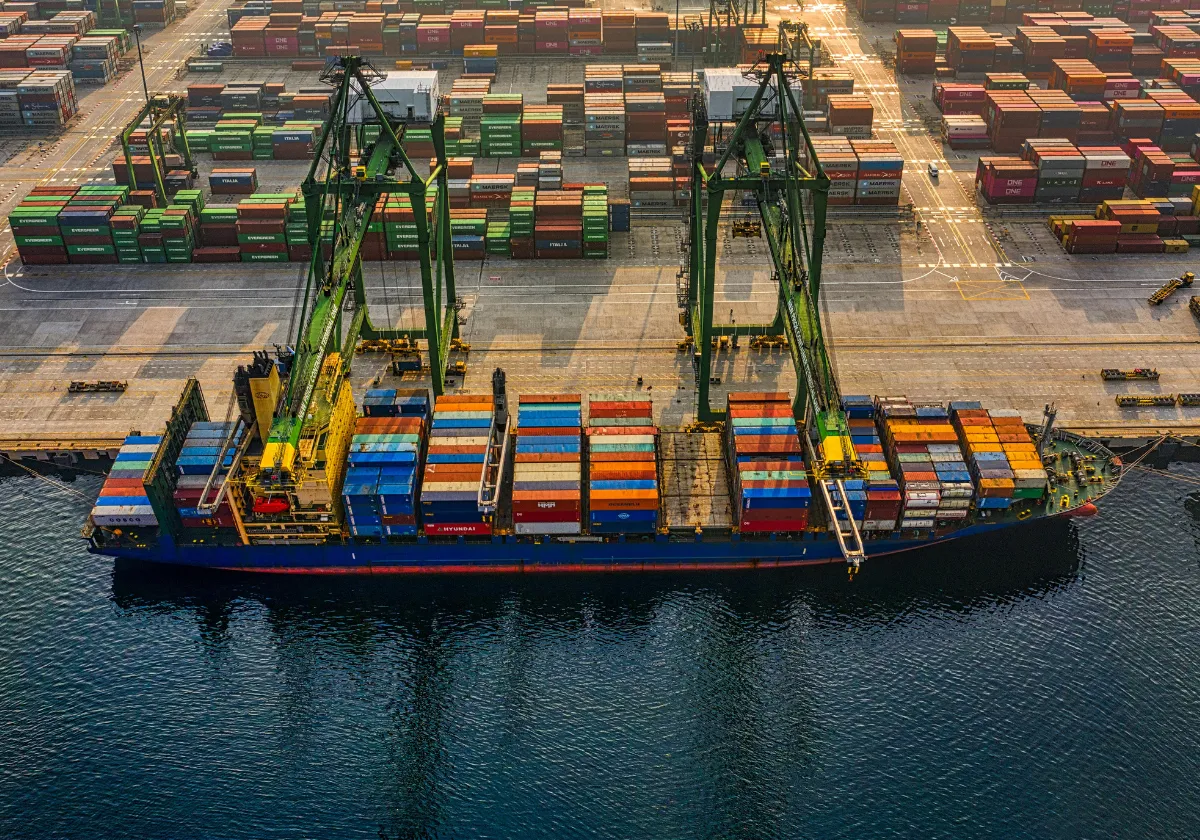
Supply chain teams are beginning to confront a future where disruption response is no longer defined by escalation paths and manual intervention, but by how
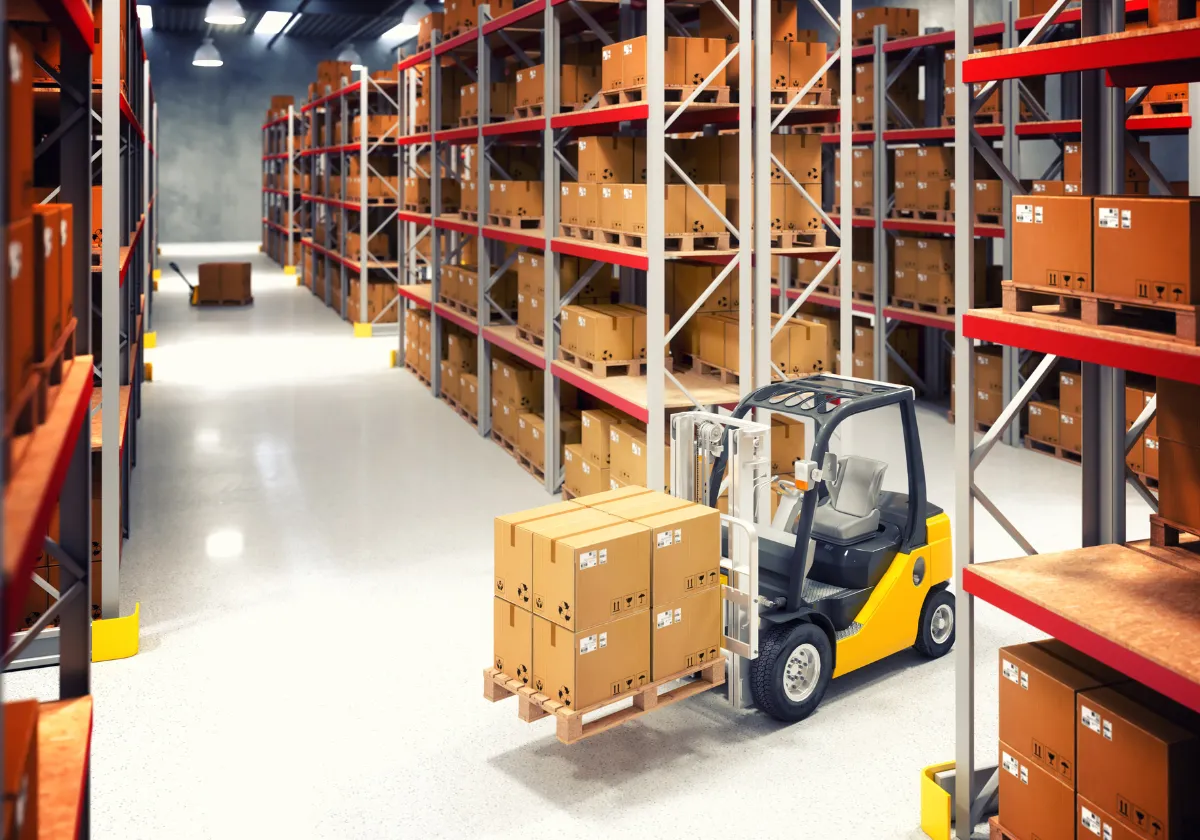
Allowing order pickers to choose between available tasks can significantly improve job satisfaction and motivation without reducing output, according to new academic research conducted by
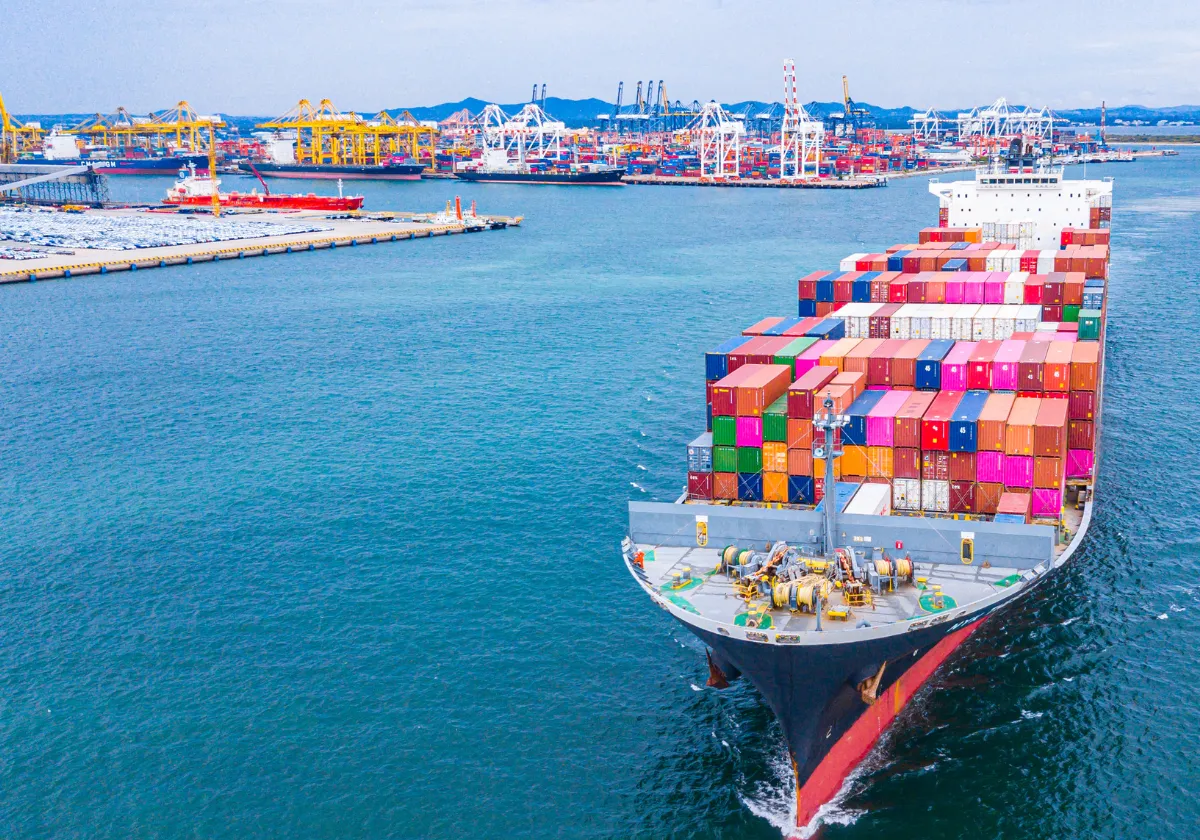
Lead time in supply chain operations sets the tempo for cost, service, and working capital decisions from suppliers through to final delivery. Understanding where time
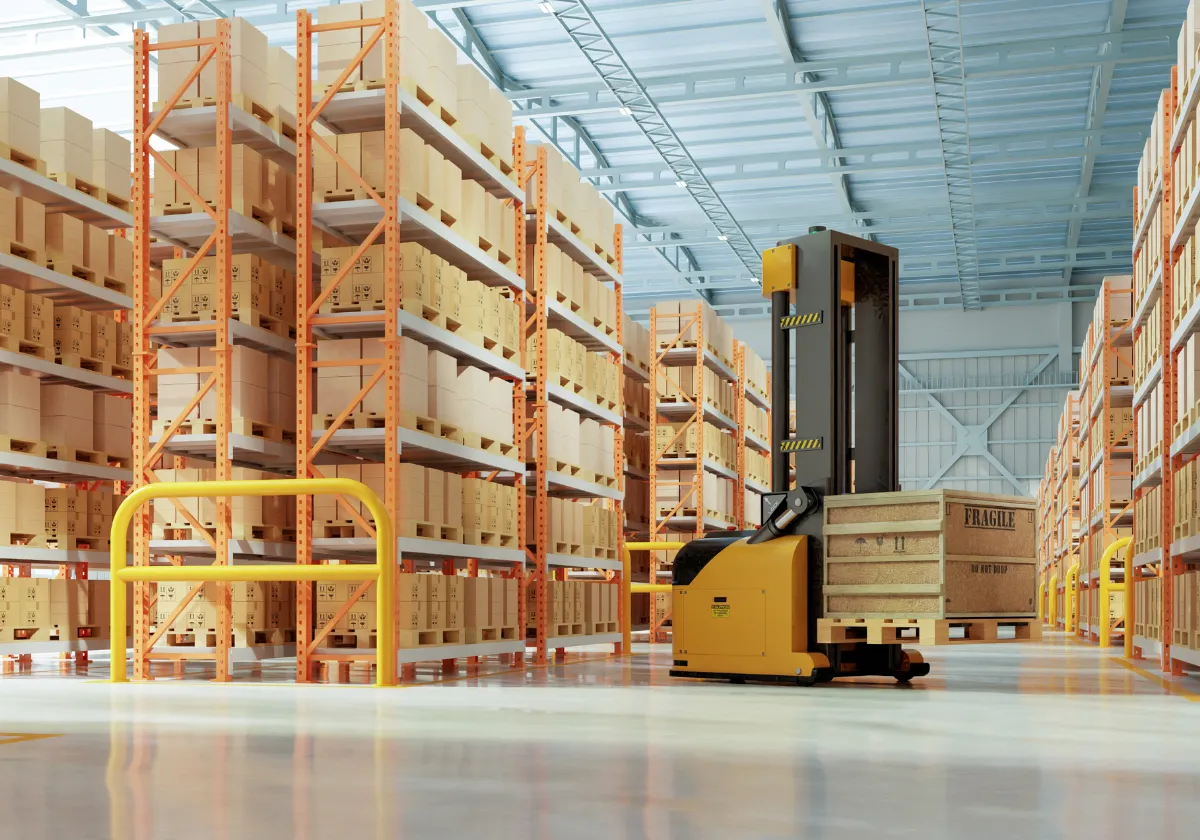
Warehouse management system vendors are rebuilding core platforms with generative and agentic AI to keep pace with e-commerce growth, omni-channel flows, and next-day delivery promises.
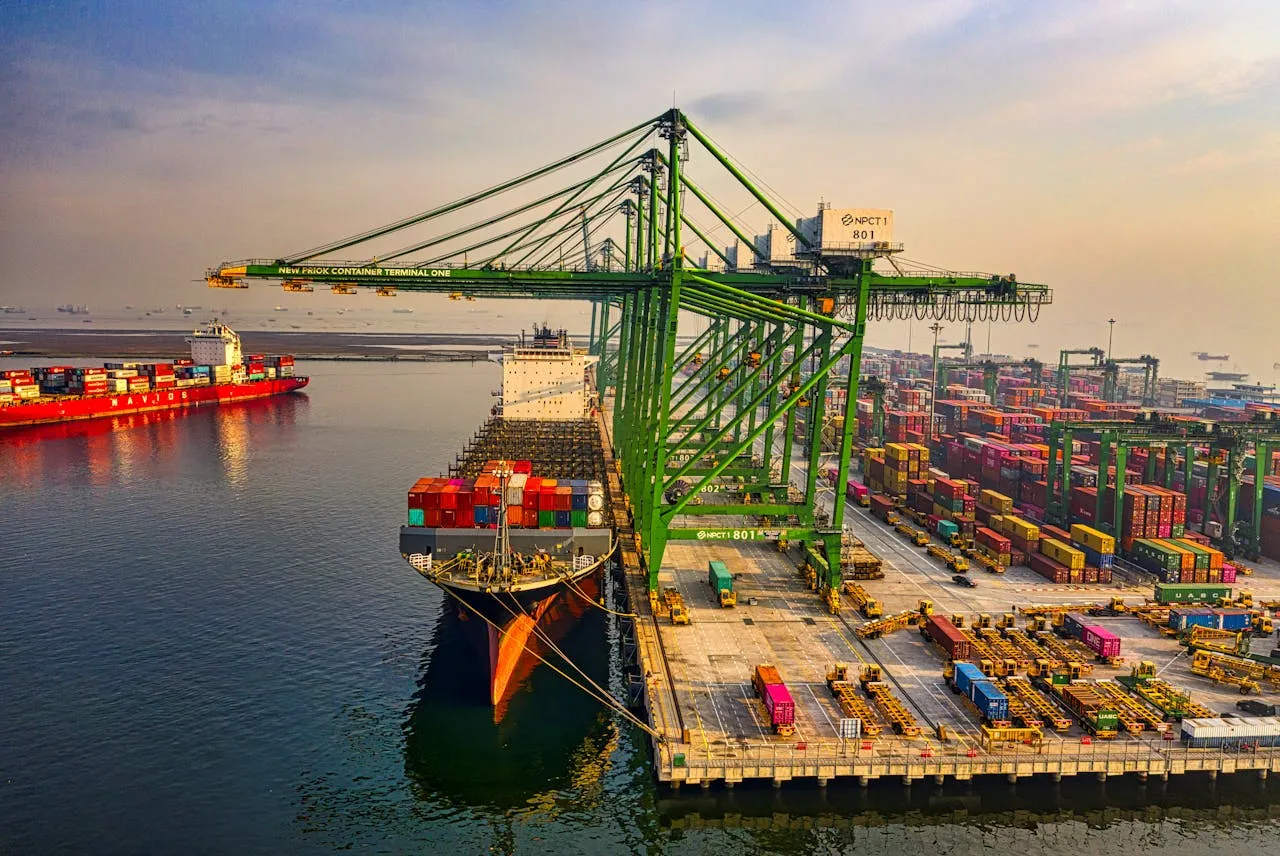
Freight organizations have spent years investing in digital platforms, yet many teams say the work of running day-to-day operations has become harder, not lighter. A

Industrial AI is now embedded in factories, utilities, and transport operations worldwide, and Cisco’s latest State of Industrial AI report shows that this shift is
Supply chain orchestration links data, decisions, and execution into a single rhythm across tiers, systems, and partners. As networks stretch across regions and channels, this
If social feeds are any guide, generative artificial intelligence can now handle everything from drafting emails to orchestrating operations. Vendors increasingly claim that large language
Supply chain leaders are recasting cost control as a continuous, network-wide discipline under rising geopolitical and freight pressure. By linking data, decisions, and governance, AI
Walmart’s latest disclosures show an inventory engine rebuilt around automation, AI and store-based fulfilment, with operating income now growing faster than sales and e-commerce running
Supply chain teams are beginning to confront a future where disruption response is no longer defined by escalation paths and manual intervention, but by how
Allowing order pickers to choose between available tasks can significantly improve job satisfaction and motivation without reducing output, according to new academic research conducted by
Lead time in supply chain operations sets the tempo for cost, service, and working capital decisions from suppliers through to final delivery. Understanding where time
Warehouse management system vendors are rebuilding core platforms with generative and agentic AI to keep pace with e-commerce growth, omni-channel flows, and next-day delivery promises.
Freight organizations have spent years investing in digital platforms, yet many teams say the work of running day-to-day operations has become harder, not lighter. A
Industrial AI is now embedded in factories, utilities, and transport operations worldwide, and Cisco’s latest State of Industrial AI report shows that this shift is