
Tariffs Force SMBs To Rethink Pricing and Planning
Tariff impact on supply chains has reached a point where small and midsize businesses can no longer shield customers from higher landed costs. New data

Tariff impact on supply chains has reached a point where small and midsize businesses can no longer shield customers from higher landed costs. New data

Forecast accuracy has inched forward for decades, yet forecast bias and internal distortion still undermine service, inventory, and cost performance. The deeper issue is not
Tariffs and changing trade rules are forcing a reset in how companies design global supply chains and pursue cross-border growth. Rising friction, higher compliance costs,

Procter & Gamble is using its ‘Supply Chain 3.0’ model as a live stress test under Middle East conflict, absorbing a large cost shock while

Tariff volatility supply chain pressures in 2025 pushed most US importers to advance shipments, rewire sourcing and rethink logistics networks to protect margins. New STG

Fleet management challenges have become a hard test of logistics strategy, as cost volatility, asset constraints, and safety expectations converge under tighter delivery promises. Treating
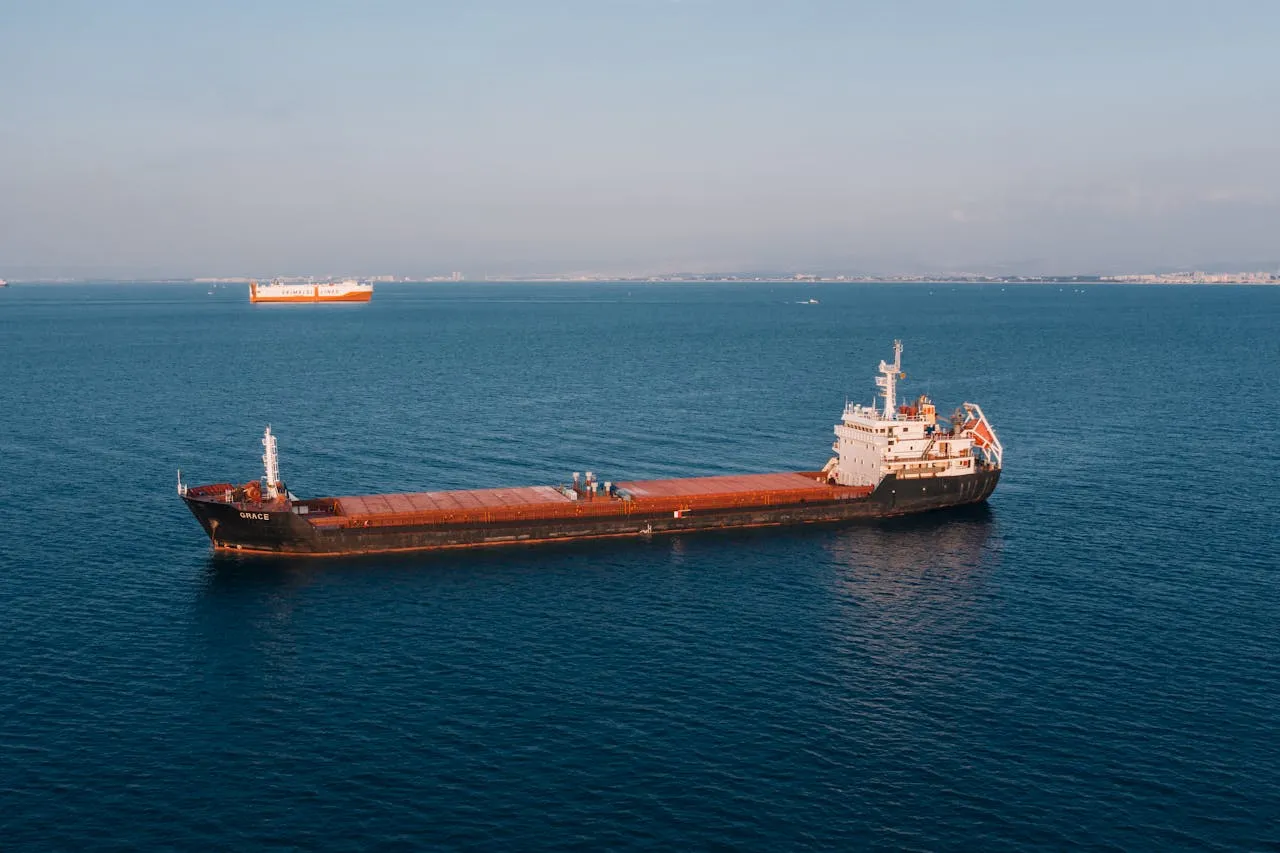
Global trade supply chains are being rebuilt around resilience as exporters face overlapping shocks from geopolitics, tariffs and tighter financing conditions. Allianz Trade’s latest Global

Strait of Hormuz disruption has turned SMB supply chain resilience into a live test of who can see and act on inventory signals in real

China has introduced a new regulatory framework that elevates supply chain security into a formal policy priority, giving authorities broader powers to investigate foreign actions

Predictive carrier risk management is reshaping how pickup reliability is controlled, turning late collections from a chronic nuisance into a quantified, actionable exposure. By shifting
Tariff impact on supply chains has reached a point where small and midsize businesses can no longer shield customers from higher landed costs. New data
Forecast accuracy has inched forward for decades, yet forecast bias and internal distortion still undermine service, inventory, and cost performance. The deeper issue is not
Tariffs and changing trade rules are forcing a reset in how companies design global supply chains and pursue cross-border growth. Rising friction, higher compliance costs,
Procter & Gamble is using its ‘Supply Chain 3.0’ model as a live stress test under Middle East conflict, absorbing a large cost shock while
Tariff volatility supply chain pressures in 2025 pushed most US importers to advance shipments, rewire sourcing and rethink logistics networks to protect margins. New STG
Fleet management challenges have become a hard test of logistics strategy, as cost volatility, asset constraints, and safety expectations converge under tighter delivery promises. Treating
Global trade supply chains are being rebuilt around resilience as exporters face overlapping shocks from geopolitics, tariffs and tighter financing conditions. Allianz Trade’s latest Global
Strait of Hormuz disruption has turned SMB supply chain resilience into a live test of who can see and act on inventory signals in real
China has introduced a new regulatory framework that elevates supply chain security into a formal policy priority, giving authorities broader powers to investigate foreign actions
Predictive carrier risk management is reshaping how pickup reliability is controlled, turning late collections from a chronic nuisance into a quantified, actionable exposure. By shifting



