
AI Trade Barriers Force Regionalization of Digital Supply Chains
AI trade barriers are becoming core supply chain constraints, changing how networks are designed, where capacity is placed, and which partners can keep pace. Uneven

AI trade barriers are becoming core supply chain constraints, changing how networks are designed, where capacity is placed, and which partners can keep pace. Uneven

Supply chain performance increasingly depends on decisions made across finance, sales and operations, where local actions can produce network-wide consequences. Organizations that build a shared

Best Buy is not responding to higher computing costs with a simple choice between absorbing inflation and passing it to customers. It is using forward

Warehouse relocation planning is a live supply chain event, not a simple facilities move, and mismanaging it can trigger backorders, delivery failures, and inventory chaos.
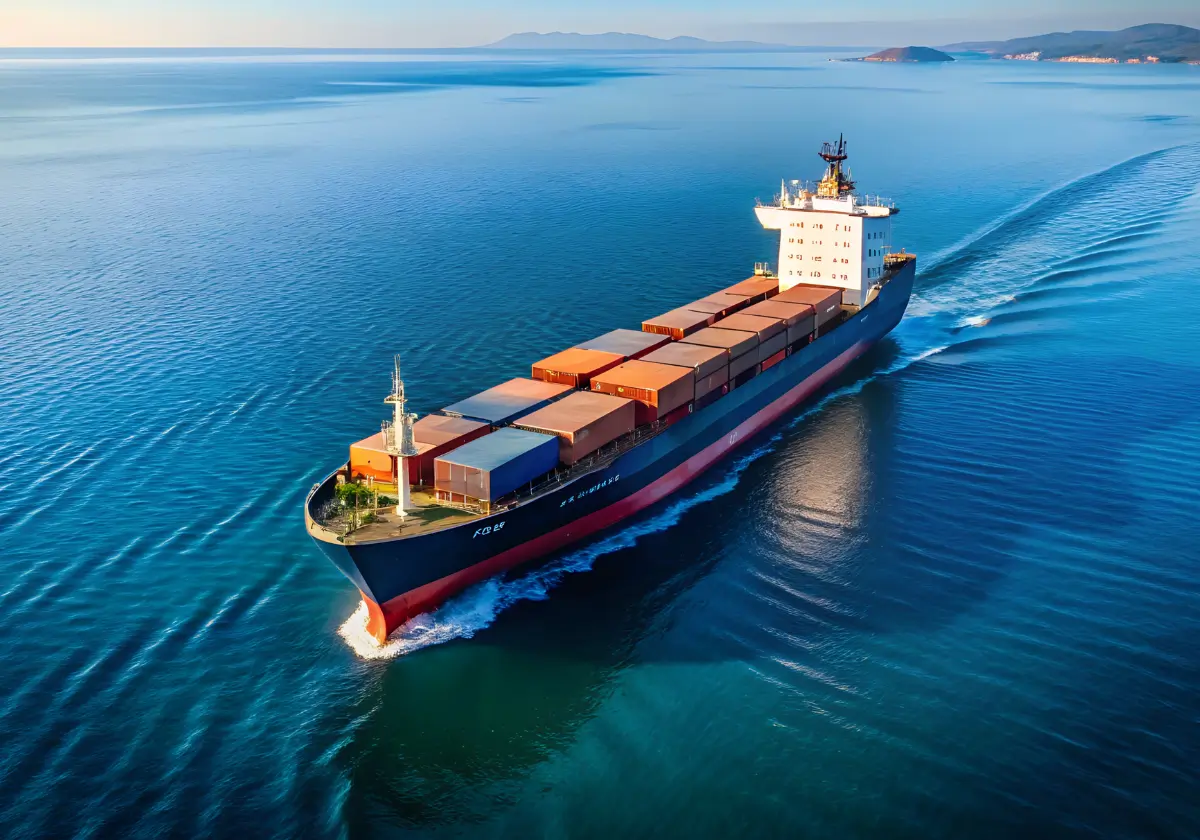
The Strait of Hormuz crisis is exposing a structural weakness in global supply chains. Critical trade flows remain dependent on routes and industrial capacity that

Rising attacks on customer records push e-commerce logistics data security into core network design, not just compliance reporting. Treating every step of order flow as

Supplier diversification offers limited protection when multiple sources rely on the same maritime corridors. Oxford Economics finds disruption increasingly takes the form of delays, diversions,

NVIDIA’s supply constraint is exposing a broader capacity-planning problem. Securing more semiconductor supply will not close the gap unless power, land, construction, cooling and customer

BSI research shows persistent supply chain disruption is prompting 36% of US businesses to plan price increases over the next six months as higher input,

Fast delivery has become a network-design decision with direct consequences for inventory, transportation and capital efficiency. Companies that match service promises to local demand and
AI trade barriers are becoming core supply chain constraints, changing how networks are designed, where capacity is placed, and which partners can keep pace. Uneven
Supply chain performance increasingly depends on decisions made across finance, sales and operations, where local actions can produce network-wide consequences. Organizations that build a shared
Best Buy is not responding to higher computing costs with a simple choice between absorbing inflation and passing it to customers. It is using forward
Warehouse relocation planning is a live supply chain event, not a simple facilities move, and mismanaging it can trigger backorders, delivery failures, and inventory chaos.
The Strait of Hormuz crisis is exposing a structural weakness in global supply chains. Critical trade flows remain dependent on routes and industrial capacity that
Rising attacks on customer records push e-commerce logistics data security into core network design, not just compliance reporting. Treating every step of order flow as
Supplier diversification offers limited protection when multiple sources rely on the same maritime corridors. Oxford Economics finds disruption increasingly takes the form of delays, diversions,
NVIDIA’s supply constraint is exposing a broader capacity-planning problem. Securing more semiconductor supply will not close the gap unless power, land, construction, cooling and customer
BSI research shows persistent supply chain disruption is prompting 36% of US businesses to plan price increases over the next six months as higher input,
Fast delivery has become a network-design decision with direct consequences for inventory, transportation and capital efficiency. Companies that match service promises to local demand and



