
Why Supply Chains Need Better Sustainability Metrics
Sustainability reports can contain hundreds of metrics while still missing the exposures most likely to disrupt supply, increase costs or constrain production. The harder task

Sustainability reports can contain hundreds of metrics while still missing the exposures most likely to disrupt supply, increase costs or constrain production. The harder task

Home Depot has reduced U.S. delivery lead times for big and bulky products by approximately 45% over 18 months. The improvement is being driven by
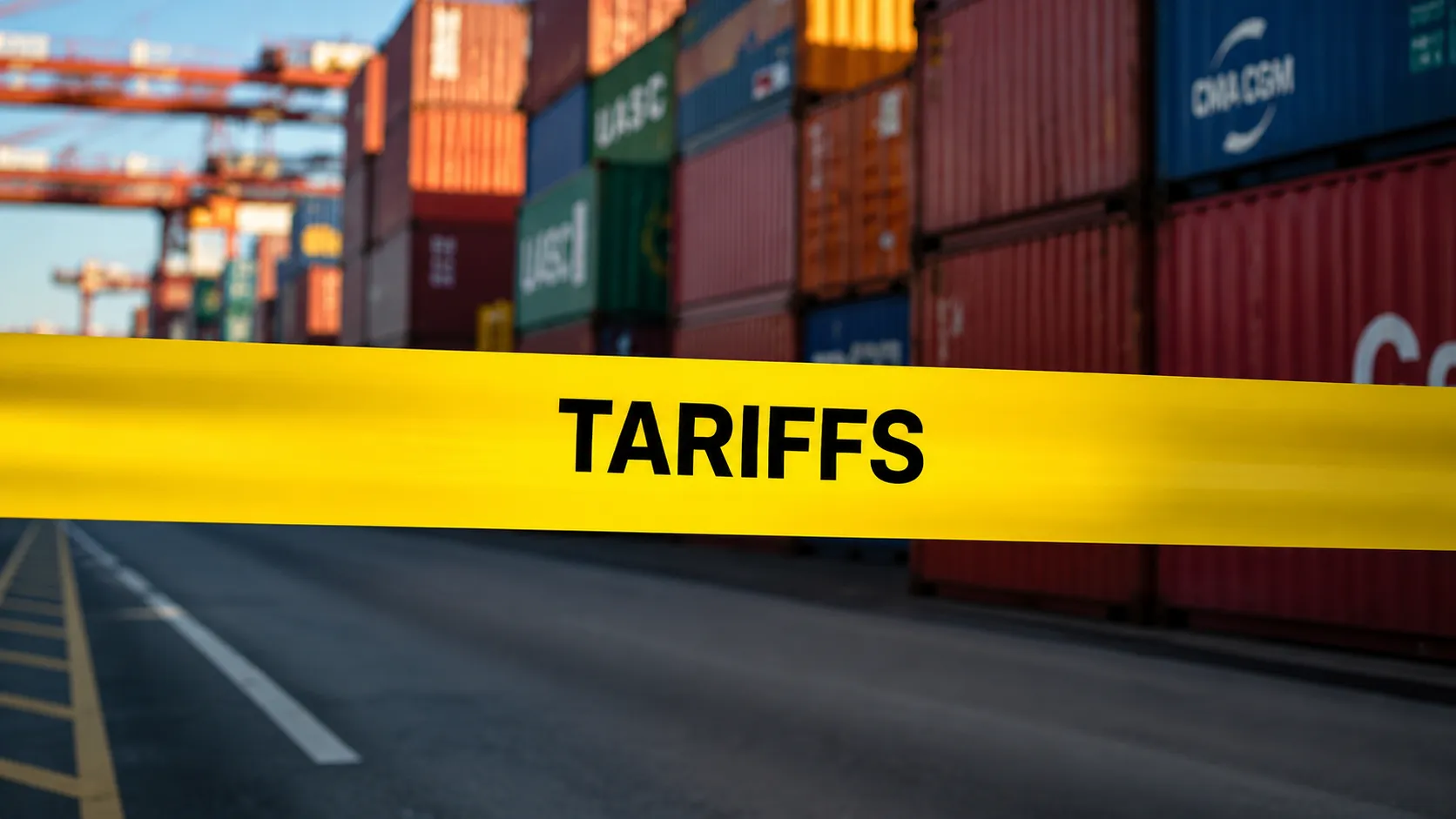
Tariff volatility is reshaping supply chain economics long after goods leave the factory, forcing importers to reassess sourcing, contracts and inventory decisions together. Companies with

Amcor secured materials, maintained customer service and passed through most of the inflation created by disruption linked to the Middle East conflict. Its response also

AI can accelerate supply chain decisions, but it cannot resolve conflicting inventory, planning and execution data. Organizations that establish a governed control layer connecting ERP,

CAVA is accepting higher food costs to transfer several hours of chicken preparation out of its restaurants. Rather than remove the released hours from labour

Supply chain volatility is exposing the limits of planning built around fixed review cycles and delayed decisions. Decision-centric planning organizes responses around live events, helping

ExxonMobil is combining its global Upstream operations under one organization to improve how production, maintenance and reliability are managed across assets. The redesign builds on
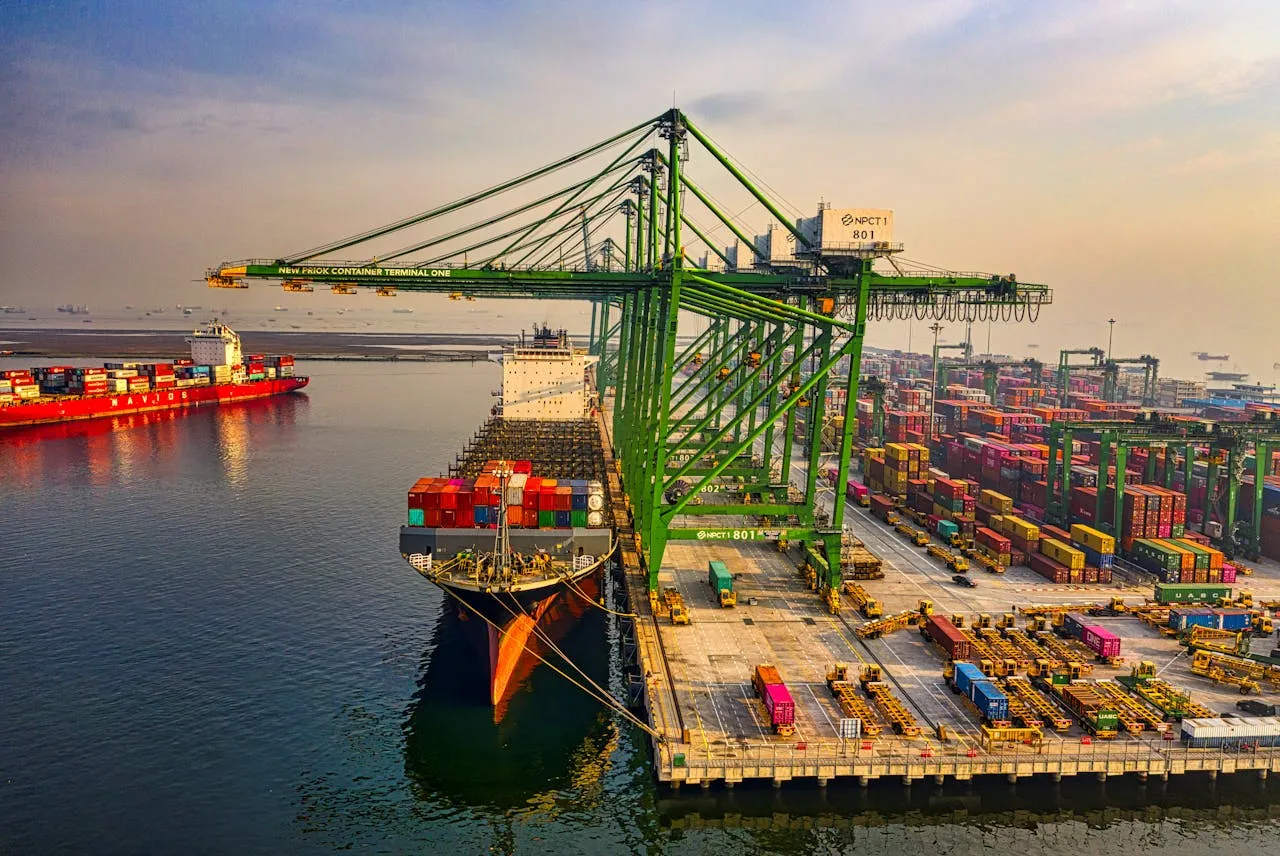
Supply chain chokepoints have become a structural source of operational and financial risk as geopolitical tension, climate events and logistics disruptions expose hidden dependencies beyond
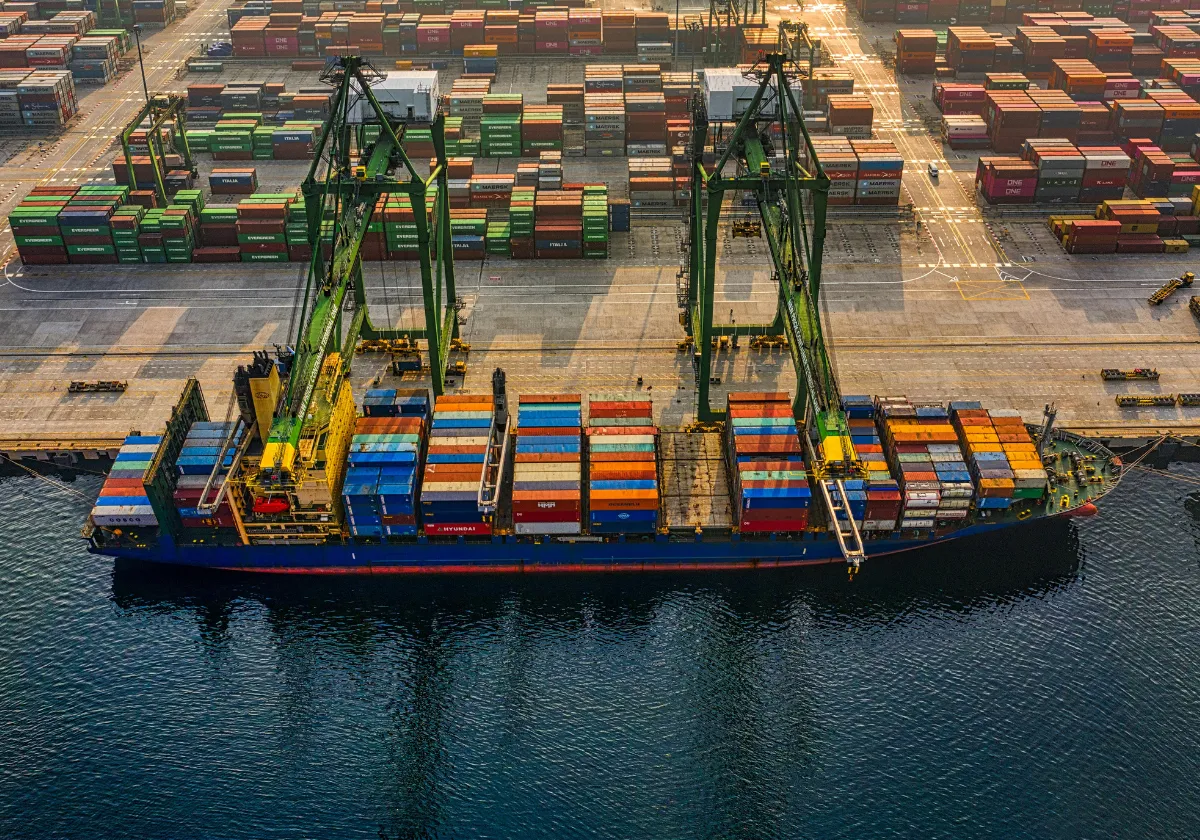
Insurance costs, vessel availability and limited traffic visibility are placing new constraints on shipping through the Strait of Hormuz. As inbound capacity tightens, supply chain
Sustainability reports can contain hundreds of metrics while still missing the exposures most likely to disrupt supply, increase costs or constrain production. The harder task
Home Depot has reduced U.S. delivery lead times for big and bulky products by approximately 45% over 18 months. The improvement is being driven by
Tariff volatility is reshaping supply chain economics long after goods leave the factory, forcing importers to reassess sourcing, contracts and inventory decisions together. Companies with
Amcor secured materials, maintained customer service and passed through most of the inflation created by disruption linked to the Middle East conflict. Its response also
AI can accelerate supply chain decisions, but it cannot resolve conflicting inventory, planning and execution data. Organizations that establish a governed control layer connecting ERP,
CAVA is accepting higher food costs to transfer several hours of chicken preparation out of its restaurants. Rather than remove the released hours from labour
Supply chain volatility is exposing the limits of planning built around fixed review cycles and delayed decisions. Decision-centric planning organizes responses around live events, helping
ExxonMobil is combining its global Upstream operations under one organization to improve how production, maintenance and reliability are managed across assets. The redesign builds on
Supply chain chokepoints have become a structural source of operational and financial risk as geopolitical tension, climate events and logistics disruptions expose hidden dependencies beyond
Insurance costs, vessel availability and limited traffic visibility are placing new constraints on shipping through the Strait of Hormuz. As inbound capacity tightens, supply chain



