
RFID and Edge AI Redefine Proof of Delivery Standards
RFID and AI in logistics are tightening the gaps between scans, photos, and physical handoffs that still derail delivery promises at scale. As networks add

RFID and AI in logistics are tightening the gaps between scans, photos, and physical handoffs that still derail delivery promises at scale. As networks add

Warehouse automation safety is becoming the gating factor for how far robotics, high-bay storage, and autonomous vehicles can scale inside distribution centers. As sites grow

Warehouse automation integration complexity has overtaken cost as the primary barrier to new deployments, according to recent Interact Analysis research on order fulfillment operations. As
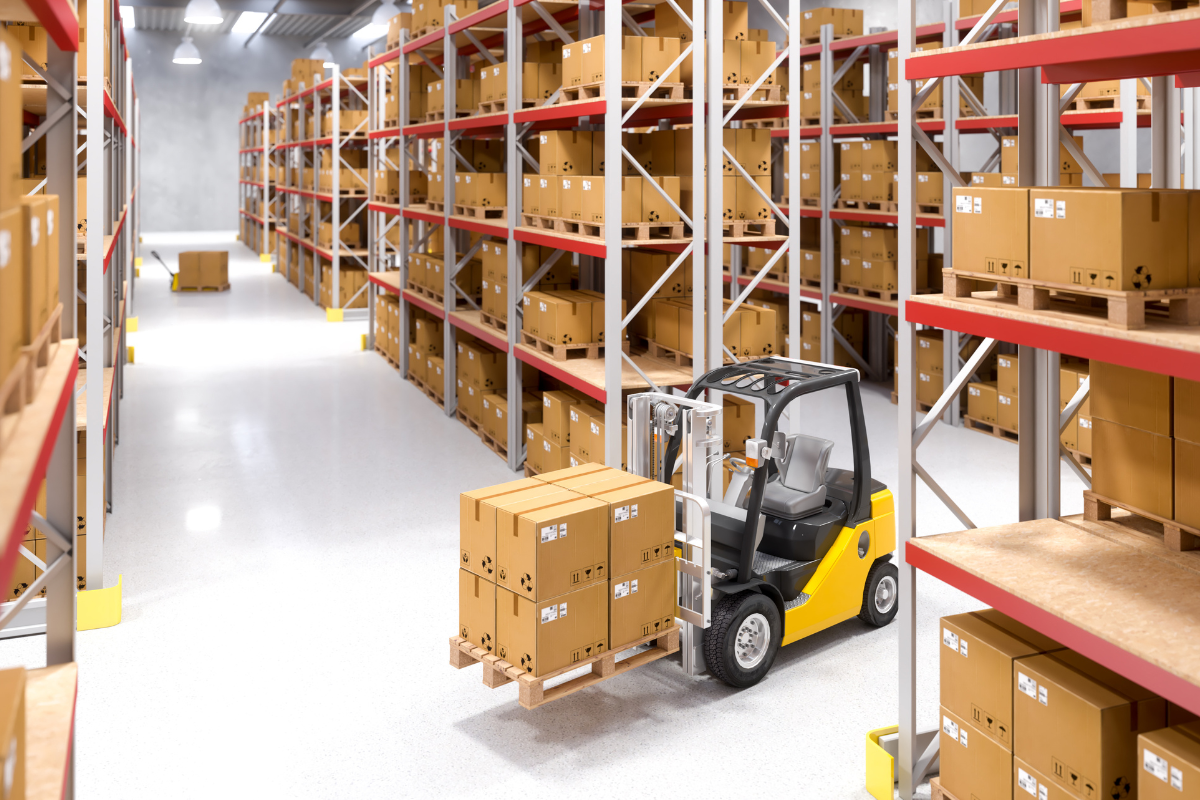
Modular warehouse automation is shifting the design brief from perfect local fit to repeatable network assets that stay viable as demand changes. A standardized building

J.B. Hunt is reshaping its network, pricing, and cost base around a structurally tighter truckload market driven by regulatory capacity exit and leaner customer supply

Oil volatility, trade lane disruption and constrained petrochemical supply are reshaping how plants manage spare parts. Companies that build depth and visibility in MRO inventory

Accenture, Vodafone and SAP have run a warehouse humanoid robots pilot in Germany, using physical AI to execute inspection tasks inside a live operation. The
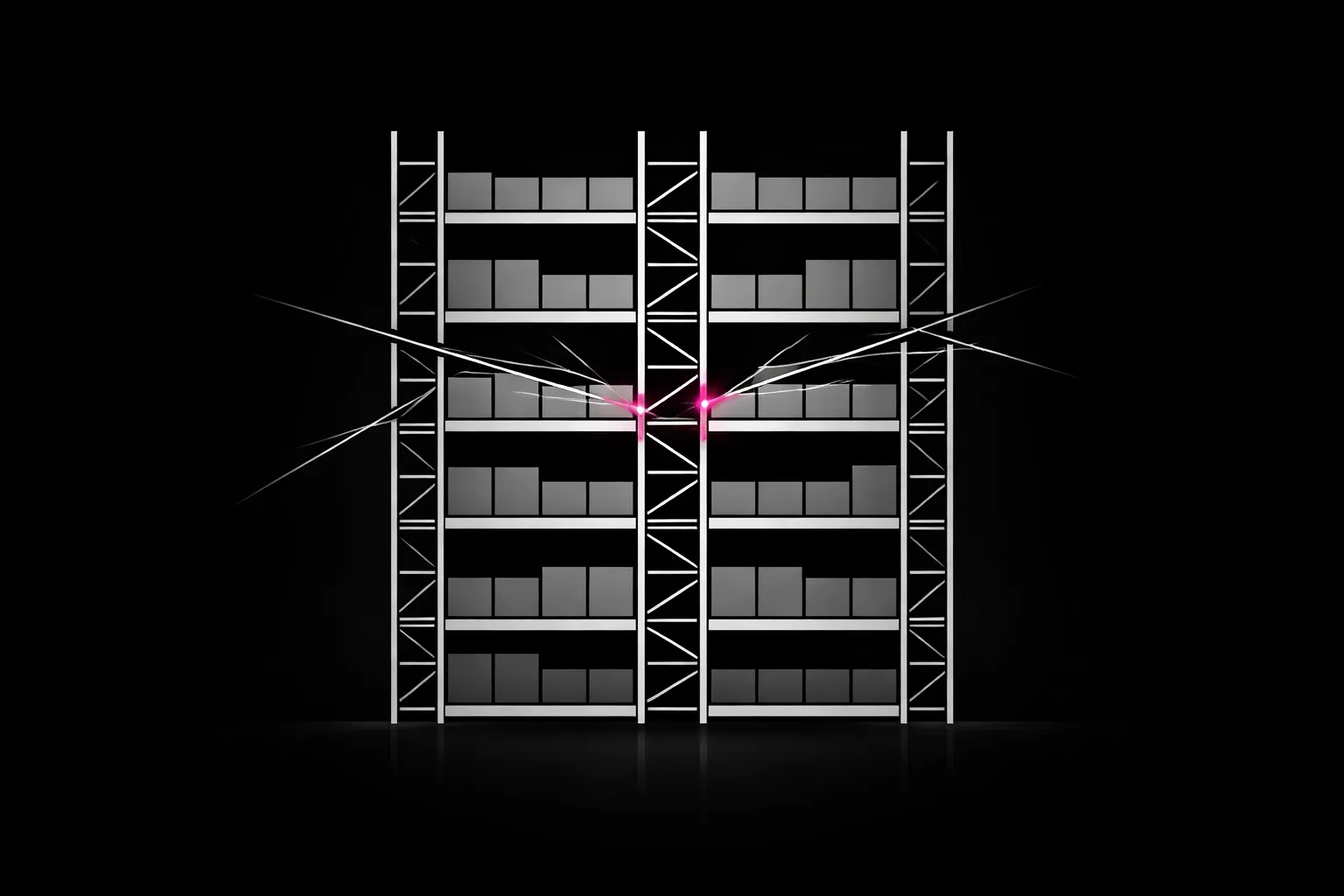
Pallet racking safety has become a core warehouse risk, as damaged frames or beams can turn routine storage into structural failure in seconds. Treating racking

Reverse logistics strategy has become a central design question as ecommerce return rates in the mid-teens expose gaps in networks built for outbound speed. Treating

Cold storage demand in the U.S. remains positive, but absorption is concentrating in newer, high-tech facilities while aging sites see rising vacancy and move-outs. With
RFID and AI in logistics are tightening the gaps between scans, photos, and physical handoffs that still derail delivery promises at scale. As networks add
Warehouse automation safety is becoming the gating factor for how far robotics, high-bay storage, and autonomous vehicles can scale inside distribution centers. As sites grow
Warehouse automation integration complexity has overtaken cost as the primary barrier to new deployments, according to recent Interact Analysis research on order fulfillment operations. As
Modular warehouse automation is shifting the design brief from perfect local fit to repeatable network assets that stay viable as demand changes. A standardized building
J.B. Hunt is reshaping its network, pricing, and cost base around a structurally tighter truckload market driven by regulatory capacity exit and leaner customer supply
Oil volatility, trade lane disruption and constrained petrochemical supply are reshaping how plants manage spare parts. Companies that build depth and visibility in MRO inventory
Accenture, Vodafone and SAP have run a warehouse humanoid robots pilot in Germany, using physical AI to execute inspection tasks inside a live operation. The
Pallet racking safety has become a core warehouse risk, as damaged frames or beams can turn routine storage into structural failure in seconds. Treating racking
Reverse logistics strategy has become a central design question as ecommerce return rates in the mid-teens expose gaps in networks built for outbound speed. Treating
Cold storage demand in the U.S. remains positive, but absorption is concentrating in newer, high-tech facilities while aging sites see rising vacancy and move-outs. With