Wendy’s Shrinks U.S. Footprint To Lift Unit Margins
Wendy’s is using Project Fresh to cut low-performing sites, redirect capital, and rebuild unit economics around a leaner, digitally supported network. In Brief From More

Wendy’s is using Project Fresh to cut low-performing sites, redirect capital, and rebuild unit economics around a leaner, digitally supported network. In Brief From More
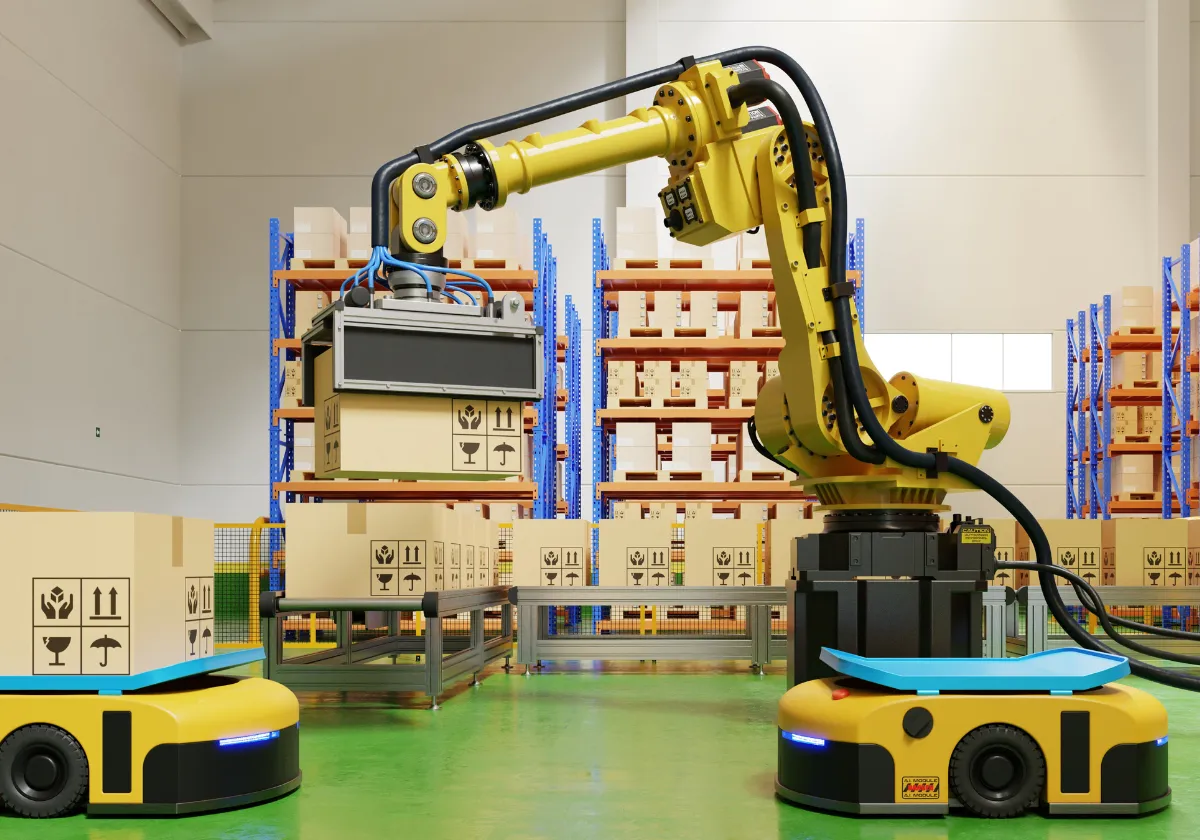
Warehouses generate a constant stream of motion, decisions, and trade-offs, yet most systems still model pick activity using broad averages that fail to capture how

A 2 billion dollar materials disruption and a matching tariff hit forced Ford to treat resilience as a cash-backed design choice, not an abstract goal.

Mounting regulation, rising customer expectations, and tightening sustainability commitments are forcing companies to rethink how they plan, power, and operate their vehicle networks. Yet the
FedEx Freight has moved closer to its long-planned spin-off, using newly filed securities documents to clarify how it intends to compete as a standalone company
Sustainability remains firmly embedded in packaging strategy, but companies are still struggling to operationalize smart technologies at scale. New data from RRD’s 2026 Integrated Packaging
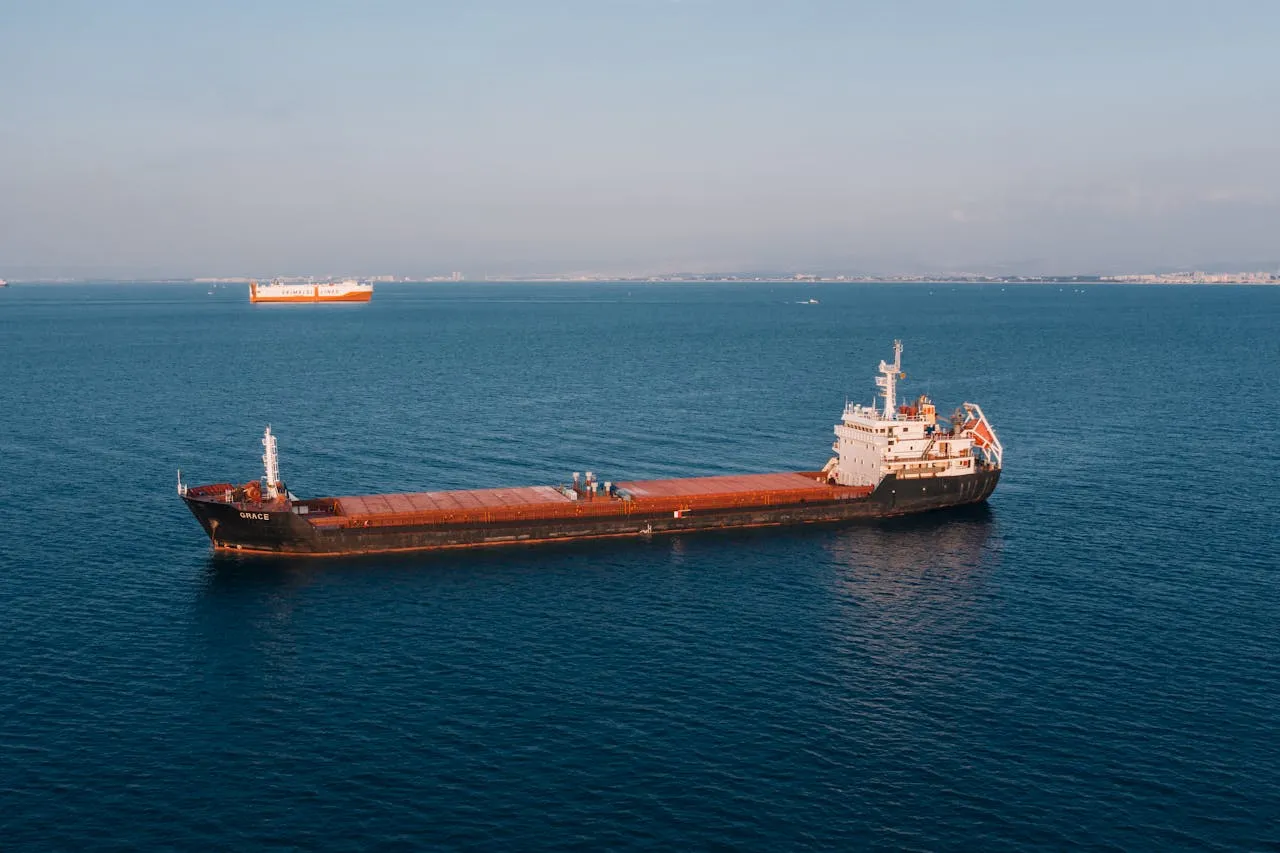
Supply chains are entering 2026 with tighter operating conditions and rising exposure to geopolitical, cyber, and environmental shocks. As digital tools mature, companies are beginning

A new Kearney brief, The Top Five Supply Chain Bets for 2026, highlights how shifting customer expectations, pricing pressure, and persistent geopolitical volatility are reshaping

Retailers are intensifying their push into agentic AI as the technology begins to offer measurable operational gains rather than theoretical promise. At this year’s Retail
FedEx is preparing to introduce autonomous trailer unloading across parts of its U.S. parcel network, advancing a long-running effort to remove one of the most
Wendy’s is using Project Fresh to cut low-performing sites, redirect capital, and rebuild unit economics around a leaner, digitally supported network. In Brief From More
Warehouses generate a constant stream of motion, decisions, and trade-offs, yet most systems still model pick activity using broad averages that fail to capture how
A 2 billion dollar materials disruption and a matching tariff hit forced Ford to treat resilience as a cash-backed design choice, not an abstract goal.
Mounting regulation, rising customer expectations, and tightening sustainability commitments are forcing companies to rethink how they plan, power, and operate their vehicle networks. Yet the
FedEx Freight has moved closer to its long-planned spin-off, using newly filed securities documents to clarify how it intends to compete as a standalone company
Sustainability remains firmly embedded in packaging strategy, but companies are still struggling to operationalize smart technologies at scale. New data from RRD’s 2026 Integrated Packaging
Supply chains are entering 2026 with tighter operating conditions and rising exposure to geopolitical, cyber, and environmental shocks. As digital tools mature, companies are beginning
A new Kearney brief, The Top Five Supply Chain Bets for 2026, highlights how shifting customer expectations, pricing pressure, and persistent geopolitical volatility are reshaping
Retailers are intensifying their push into agentic AI as the technology begins to offer measurable operational gains rather than theoretical promise. At this year’s Retail
FedEx is preparing to introduce autonomous trailer unloading across parts of its U.S. parcel network, advancing a long-running effort to remove one of the most