
AI Forces Supply Chain Hiring To Prioritize New Skills
AI collaboration in supply chain is forcing a rethink of how work is designed, how talent is developed, and how performance is judged as agentic

AI collaboration in supply chain is forcing a rethink of how work is designed, how talent is developed, and how performance is judged as agentic

AI in the supply chain is redrawing where things break, transferring pressure from analytics teams to the integrity of data, clarity of decision rights, and

UK supply chains face a disclosure crunch as greenhushing collides with tougher sustainability scrutiny and tighter procurement rules. Firms that keep ESG progress behind closed

Causal demand sensing is helping supply chains anticipate demand by tracking the external conditions that create it rather than relying solely on historical sales. By

The Strait of Hormuz has renewed attention on global chokepoints, but the same constraint logic applies across factories, suppliers, ports and transport corridors. Constraint-based planning

Photoelectric sensors in warehouses have become a quiet control layer for accuracy, safety and uptime as throughput rises and labor grows scarcer. These devices decide
AI is reshaping supply chain work by changing how decisions are made, who makes them, and how quickly organizations respond to disruption. As adoption expands

PepsiCo is redesigning its supply chain around a new operating challenge. As affordability programs, healthier product portfolios, integrated food and beverage operations and expanding Away
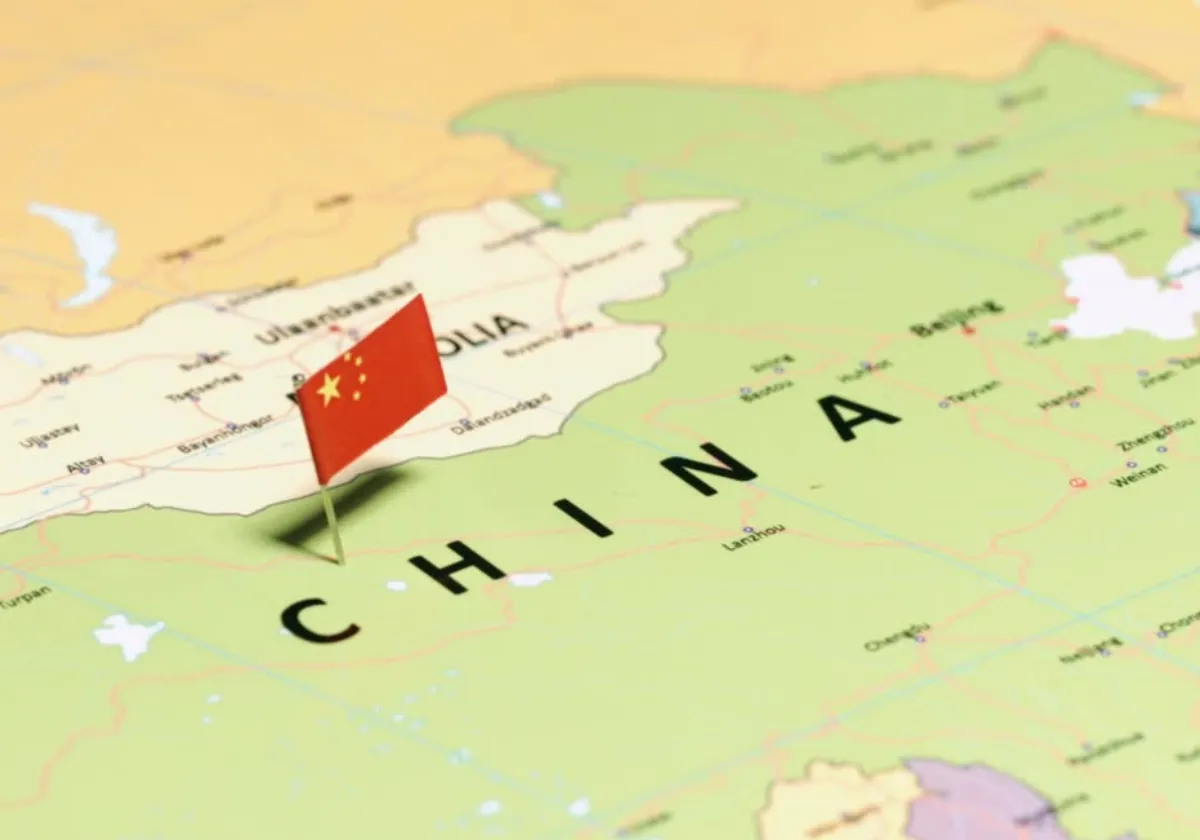
China Plus One strategies have expanded manufacturing footprints across new regions, but many supply chains remain tied to the same upstream suppliers and processing hubs.
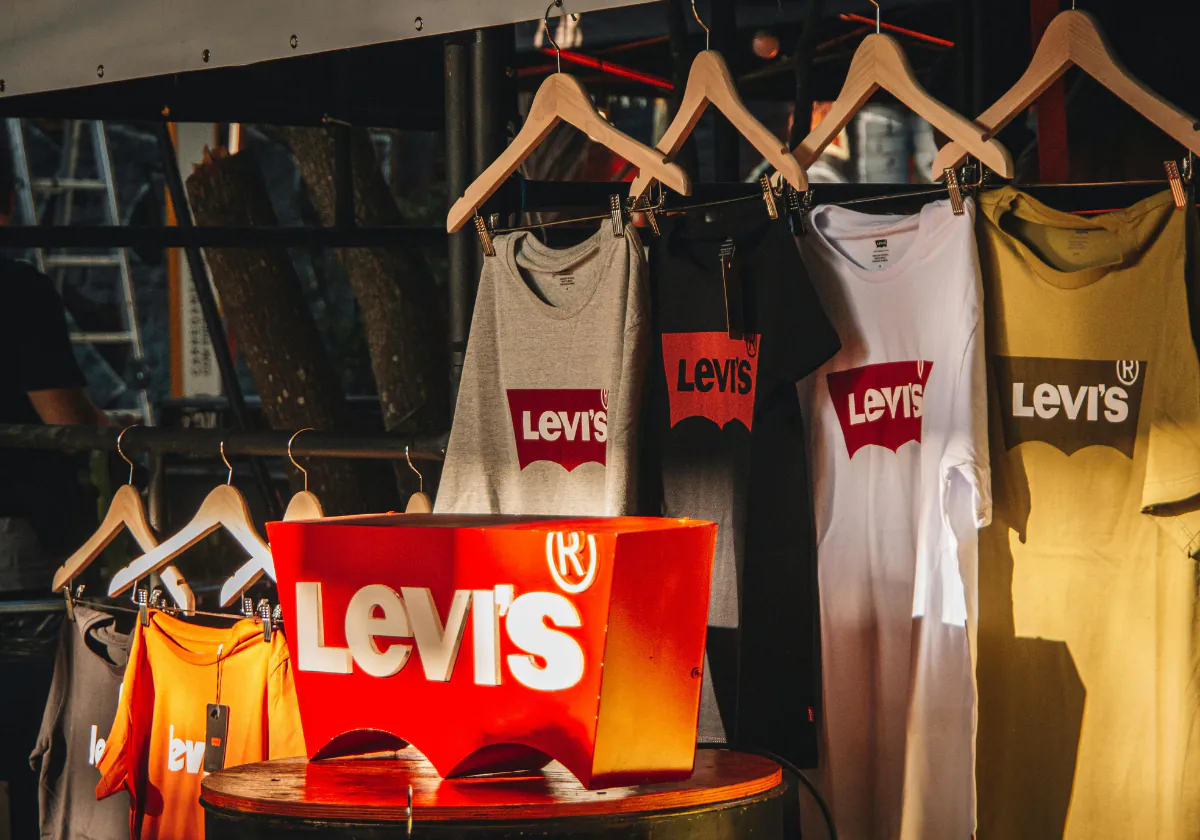
Levi Strauss is redesigning the operating model behind its direct-to-consumer business as digital growth places greater pressure on fulfillment, inventory allocation and cost-to-serve. Rather than
AI collaboration in supply chain is forcing a rethink of how work is designed, how talent is developed, and how performance is judged as agentic
AI in the supply chain is redrawing where things break, transferring pressure from analytics teams to the integrity of data, clarity of decision rights, and
UK supply chains face a disclosure crunch as greenhushing collides with tougher sustainability scrutiny and tighter procurement rules. Firms that keep ESG progress behind closed
Causal demand sensing is helping supply chains anticipate demand by tracking the external conditions that create it rather than relying solely on historical sales. By
The Strait of Hormuz has renewed attention on global chokepoints, but the same constraint logic applies across factories, suppliers, ports and transport corridors. Constraint-based planning
Photoelectric sensors in warehouses have become a quiet control layer for accuracy, safety and uptime as throughput rises and labor grows scarcer. These devices decide
AI is reshaping supply chain work by changing how decisions are made, who makes them, and how quickly organizations respond to disruption. As adoption expands
PepsiCo is redesigning its supply chain around a new operating challenge. As affordability programs, healthier product portfolios, integrated food and beverage operations and expanding Away
China Plus One strategies have expanded manufacturing footprints across new regions, but many supply chains remain tied to the same upstream suppliers and processing hubs.
Levi Strauss is redesigning the operating model behind its direct-to-consumer business as digital growth places greater pressure on fulfillment, inventory allocation and cost-to-serve. Rather than