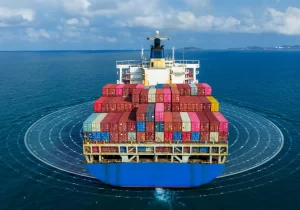
Supply chain orchestration brings planning, inventory, logistics and fulfillment into a shared decision process, allowing organizations to respond more quickly as conditions change. Realizing that value depends on clear decision authority, trusted data and coordinated execution across functions.
Visibility Must Lead to Decision Authority
Orchestration changes the supply chain from a sequence of functional handoffs into a connected decision system. Demand shifts, supplier constraints, transport availability, inventory positions, and commercial priorities enter one operating cadence. The strategic break occurs when those signals trigger an agreed response across functions rather than another round of reconciliation.
A useful orchestration model defines which decisions can be automated, which require functional approval, and which must be escalated because of their financial or customer impact. Without that structure, additional visibility can generate more alerts, meetings, and competing interpretations. Response speed then remains constrained by organizational latency even when information moves in real time.
Decision rights deserve the same attention as technology architecture. A logistics team may have authority to change a carrier, while reallocating constrained inventory could require input from planning, finance, and commercial functions. Clear thresholds allow routine adjustments to proceed quickly and reserve senior attention for exceptions that threaten revenue, margin, service, or continuity.
Orchestration Connects Planning With Execution
Traditional planning cycles depend on periodic updates and sequential approval. Orchestration creates a tighter loop between a changing condition, its operational implications, and the resulting action. This can improve agility when demand, capacity, lead times, or logistics conditions move faster than the formal planning calendar.
The operating model must connect decisions across time horizons. A short-term transport disruption may justify an expedited shipment, but the same response could raise cost-to-serve and consume capacity required elsewhere. A supplier constraint could prompt inventory reallocation while also changing production schedules and customer commitments. Orchestration should expose these dependencies before a local action creates a wider imbalance.
This requires shared decision logic. Service, cost, working capital, and risk cannot be optimized independently because each action redistributes exposure across the network. An inventory move that protects one customer segment may reduce availability for another. Additional buffer stock may strengthen continuity while increasing cash consumption and obsolescence risk. The platform must present these consequences in terms that planning, operations, finance, and commercial teams can act on together.
Faster Decisions Create New Control Requirements
Speed introduces execution risk when data quality, system integration, or accountability is weak. An inaccurate inventory position can produce an unsuitable allocation. A delayed capacity signal can trigger unnecessary expediting. Conflicting master data can cause different functions to respond to different versions of the same constraint.
Orchestration therefore requires disciplined exception design. Alerts should reflect material deviations and connect each deviation to a defined owner, response window, and escalation path. Excessive notification volume reduces attention and encourages teams to work outside the system. Narrower thresholds may improve control for high-impact flows, while stable and lower-risk activity can operate with greater automation.
Trust also depends on traceability. Teams need to understand the inputs, assumptions, and rules behind a recommendation, particularly when an action affects customer service or financial performance. A decision record creates accountability and supports continuous improvement by showing where the operating logic performed well, where human intervention added value, and where the model failed under stress.
Performance measures should follow the full decision cycle. Useful measures include time from signal to action, exception resolution time, recovery speed, service impact, incremental logistics cost, and inventory consequences. These measures reveal whether orchestration improves enterprise performance or simply accelerates activity within individual functions.