Sustainability in supply chains is increasingly shaped by execution. As emissions targets tighten and regulatory scrutiny grows, companies are discovering that environmental performance depends less on high-level pledges and more on how goods are monitored, moved, and handled day to day. Internet of Things (IoT) technologies are playing a central role in that shift by turning sustainability from a reporting exercise into an operational capability.
Rather than relying on periodic audits or estimates, IoT enables continuous measurement across transportation, warehousing, and inventory flows. That data is now being used to reduce waste, cut fuel consumption, and surface inefficiencies that directly affect both cost and environmental impact.
From End-to-End Visibility to Lower Waste
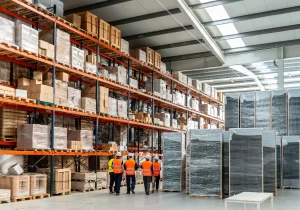
One of IoT’s most immediate sustainability benefits is improved visibility across complex logistics networks. Sensors embedded in pallets, containers, vehicles, and facilities provide real-time insight into location, condition, and dwell time, areas where waste often accumulates unnoticed.
Large retailers have been among the most active adopters. Walmart, for example, has been rolling out ambient IoT sensors across its U.S. operations to track inventory movement and environmental conditions such as temperature and humidity. By identifying where products sit too long, experience temperature excursions, or move inefficiently through facilities, the company can intervene earlier to prevent spoilage and overstocking. Those improvements translate directly into lower waste volumes and fewer unnecessary replenishment moves, reducing emissions tied to replacement inventory.
IoT is also reshaping waste management in sensitive supply chains such as food and pharmaceuticals. Real-time monitoring of temperature, shock, and humidity allows compromised shipments to be isolated before entire loads are written off. According to recent trade reporting, this granular visibility is becoming a baseline requirement for high-value and regulated products, where sustainability and product integrity are tightly linked.
Fuel Efficiency Moves Into Real-Time Operations
Transportation remains one of the most carbon-intensive parts of the supply chain, but IoT is shifting how efficiency gains are achieved. Instead of relying solely on static route planning, logistics operators now use live data from connected vehicles and shipments to make dynamic decisions during execution.
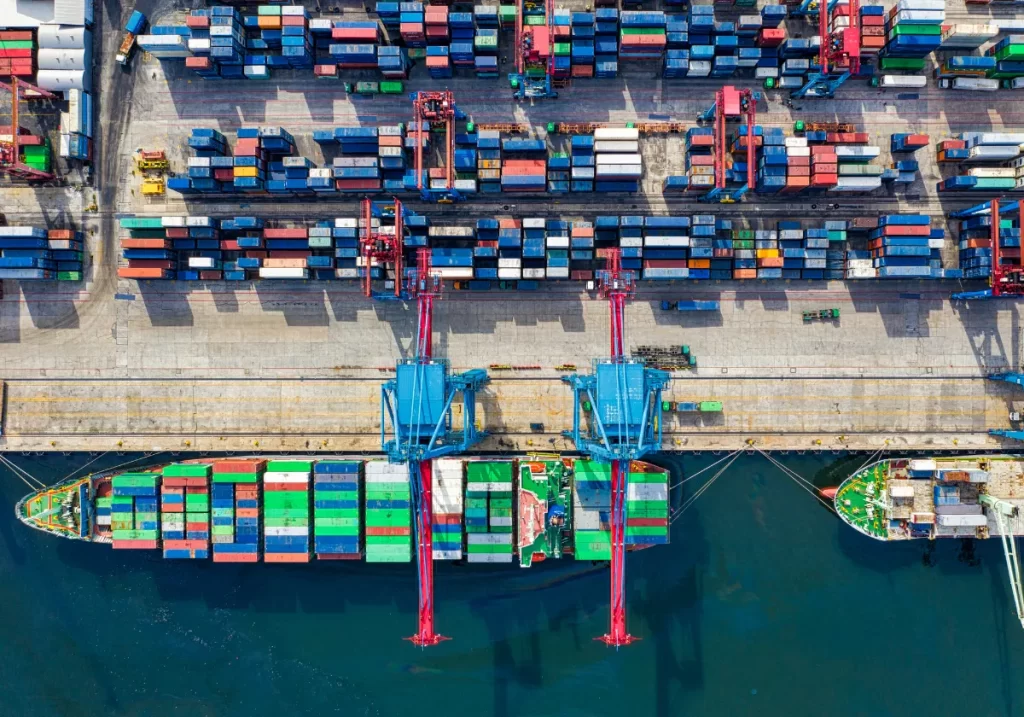
Telematics systems track fuel consumption, idle time, congestion, and route deviations in real time. This enables carriers and shippers to adjust routes on the fly, reduce unnecessary mileage, and limit engine idling, often delivering emissions reductions alongside cost savings. Ports and terminals are applying similar approaches, using sensor data to smooth vessel arrivals, reduce yard congestion, and cut fuel burn from equipment waiting time.
Specialist providers are extending these capabilities deeper into shipment-level execution. Tive, a Boston-based IoT tracking company, supplies real-time sensor data on cargo location and condition for customers across logistics, food, pharmaceuticals, and electronics. By flagging delays, temperature deviations, or mishandling events as they occur, companies can intervene before spoilage or re-shipping becomes necessary, avoiding both product loss and the emissions tied to corrective transport.
Where IoT Begins to Influence Daily Operating Decisions
As IoT coverage expands, its impact increasingly shows up in routine operational choices rather than sustainability programs. Companies with dense sensor data are using it to arbitrate between speed, buffer inventory, and transport intensity at a granular level, decisions that were previously made using averages or static assumptions. Trade reporting over the past year shows that organizations able to reconcile these trade-offs inside planning and execution systems tend to stabilize both emissions profiles and service performance over time. The practical inflection point is not data availability, but whether operational teams treat environmental metrics as inputs alongside cost and throughput when decisions are made under normal operating pressure.