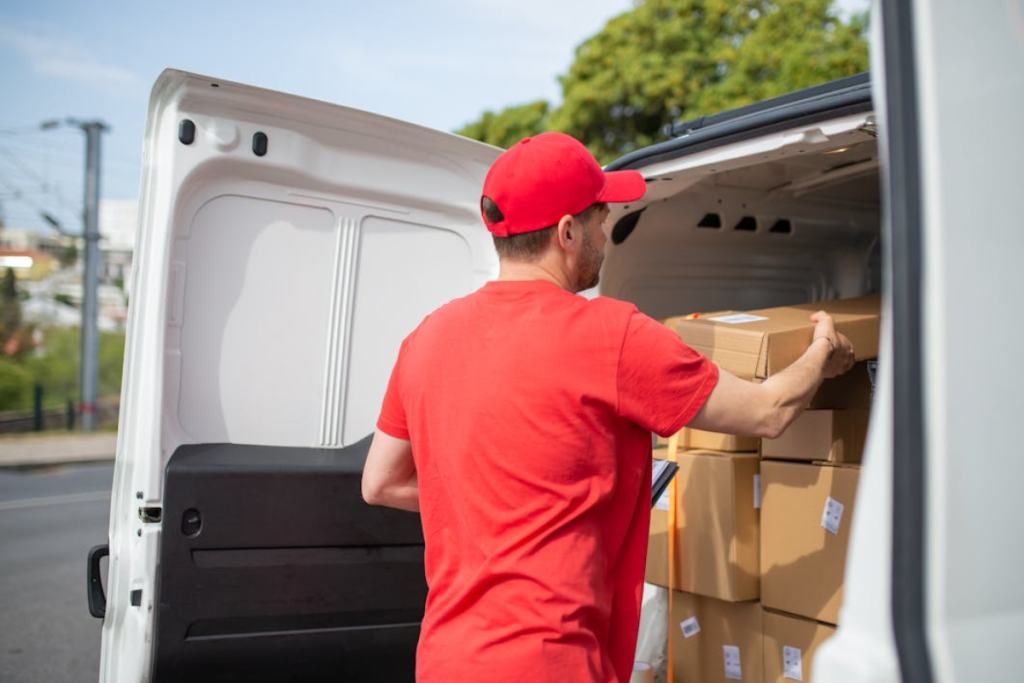
Pressure on speed, cost, and sustainability is forcing companies to rethink the last mile. Gartner research shows delivery reliability and customer satisfaction are now the top priorities, pushing firms to adopt technologies from micro-fulfillment centers to AI-driven routing and electrified fleets.
Redefining Reliability and Customer Reach
According to Gartner, nine out of ten supply chain executives rank speed among the top three factors in last-mile delivery, while nearly half consider reliability the single most important. Route optimization platforms, crowdsourced fleets, and dynamic courier networks are being deployed to expand capacity without locking in fixed costs.
At the same time, micro-fulfillment centers (MFCs) are multiplying; industry forecasts suggest the sector will expand twelvefold by 2030. These smaller, strategically located hubs allow companies to keep inventory closer to demand centers, cutting both delivery times and fuel spend.
Yet, efficiency alone is not enough. Customer-centric delivery models are now defining competitive edge. Nearly 70% of Gartner survey respondents say customer satisfaction metrics will guide their last-mile strategies over the next three years.
Flexible delivery slots, multiple fleet options, and real-time tracking are being rolled out to reinforce trust and improve the customer experience. Companies with omnichannel footprints are especially focused on making delivery as convenient as purchase, with in-store pickup, lockers, and third-party access points easing the strain of costly home delivery.
Innovation and Sustainability Drive the Next Wave
Cost pressures and sustainability mandates are accelerating the push toward electrified and autonomous fleets. Research from the World Economic Forum indicates that shifting to electric vehicles could cut last-mile delivery costs by 25% while reducing CO₂ emissions by nearly a third.
Companies are piloting EV vans, e-bikes, and even drones to trim emissions and noise pollution while gaining operational flexibility. Meanwhile, automation is advancing rapidly. Drone services and autonomous ground vehicles are no longer experimental; they are entering scaled pilots in urban and suburban markets, supported by advances in AI-enabled routing and regulatory softening in some regions.
Artificial intelligence itself is emerging as the backbone of modern last-mile strategy. Beyond routing, logistics teams are testing generative AI to forecast demand spikes, simulate disruption scenarios, and fine-tune resource allocation in real time. Recent industry reports show that over 40% of logistics providers have already ranked automation technology among their top three areas of investment for last-mile operations.
Beyond the Obvious Trade-Offs
While most discussions on last-mile delivery fixate on cost and speed, an overlooked consequence is how these investments reshape upstream supply chain design. Building micro-fulfillment centers, electrifying fleets, or embedding AI orchestration demands long-term capital commitments that effectively lock in geographic and infrastructure bets.
In other words, decisions made for the “last mile” increasingly dictate the shape of the entire network. The most forward-looking companies are now stress-testing last-mile strategies not just for efficiency, but for resilience under shifting trade routes, regulatory pressures, and consumer demand cycles. That reframing may prove as important as the technology itself.