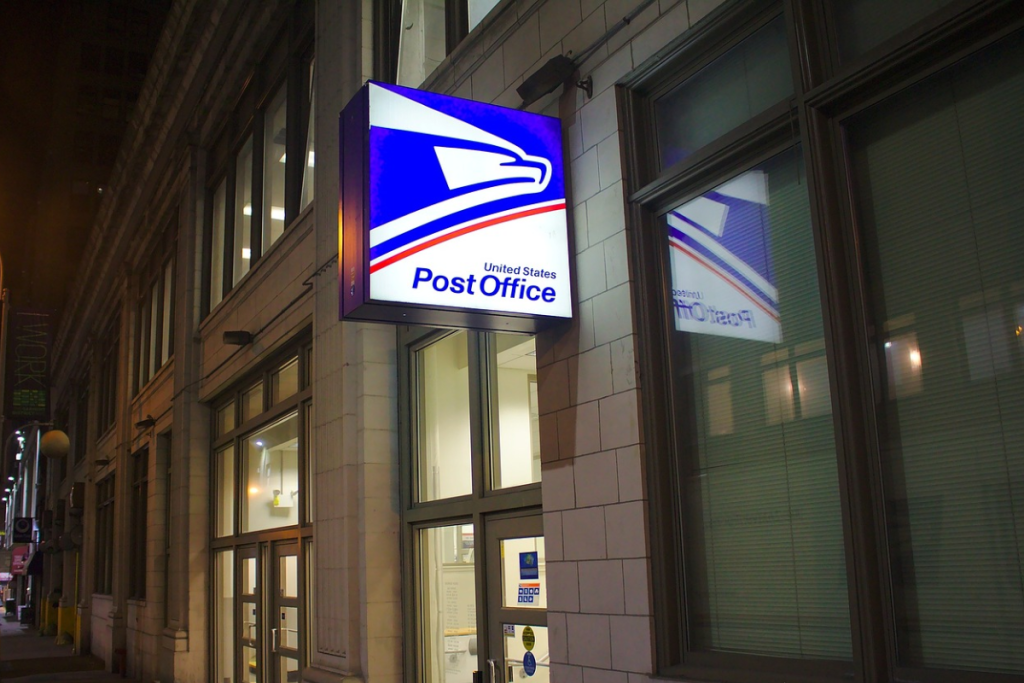
The U.S. Postal Service is moving quickly to expand its restructured delivery network, announcing the opening of 11 new sorting and delivery centers this fall. The rollout, timed ahead of peak holiday demand, marks another step in the agency’s effort to cut costs, consolidate operations, and sharpen its competitive edge against private carriers.
Consolidation Push Reaches More Markets
Ten of the new facilities will open on September 6, with another slated for October 18 in Charlotte, North Carolina. Sites include Baltimore, Sioux Falls, Springfield, and Woodbridge, among others. Each center will absorb work previously handled by local delivery units, the final link in the chain before mail and packages reach customers. By consolidating smaller operations into larger hubs, USPS expects to simplify routing, reduce duplicative costs, and create denser final-mile networks.
Commercial shippers have been advised to direct drop-shipments of packages and flat bundles to the new centers aligned with their destination ZIP codes. The move represents both an operational shift and a signal to business customers that USPS is seeking to streamline access to its growing hub-and-spoke model.
Delivering for America Gains Momentum
The expansion is part of the Postal Service’s 10-year “Delivering for America” plan, first launched in 2021. As of May, USPS had already activated 96 sorting and delivery centers, with an eventual target of roughly 400 nationwide. The agency says the larger, centrally located facilities, many built in repurposed industrial sites, will improve efficiency and consistency, long-standing pain points that have fueled criticism from lawmakers and regulators.
While skeptics have questioned whether consolidation risks service delays in rural and suburban markets, USPS leadership maintains that the network overhaul is vital to financial stabilization. Current Postmaster General David Steiner has reaffirmed the strategy, calling it a necessary platform to compete more effectively with FedEx and UPS. Holiday volumes are expected to pressure the network, and USPS has already flagged additional seasonal price increases for packages.
An Overlooked Factor: Labor Flexibility
Much of the focus has been on infrastructure, but another dimension looms large, labor. According to recent trade reports, USPS has been renegotiating staffing patterns and work rules to align with the new hub model. Larger centers allow for more flexible deployment of carriers and clerks, a potential lever for both cost reduction and service resilience during surges. How successfully USPS manages this human-capital shift may prove as decisive as the concrete poured into its new facilities.