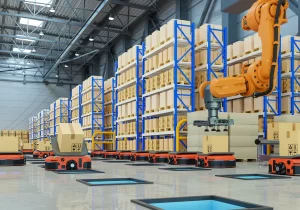
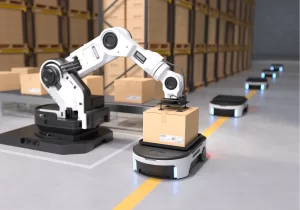
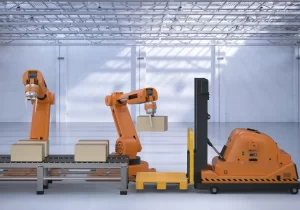
Cold storage, already among the most power-hungry segments of logistics, is colliding with a new constraint: the grid. As rationing and demand-response mandates spread across Europe and Asia, freezer automation and robotics fleets can no longer assume uninterrupted electricity. The shift is forcing operators to reprogram workflows, stagger charging, and prioritize product safety under volatile supply conditions.
What began as an exercise in compliance is quickly becoming a competitive differentiator. Facilities that can tune robotic loads to grid signals are not only avoiding disruption but also tightening cost controls and strengthening resilience. The next frontier lies in turning energy volatility into an asset, aligning with utilities to absorb surpluses and flex back during shortages.
From Always-On to Energy-Calibrated Robotics
Traditional freezer and chilled storage robotics were designed for uptime at all costs. Automated cranes, conveyors, and AMRs were sequenced to maintain continuous throughput, regardless of external energy signals. Under rationing regimes, this logic is no longer viable.
In Germany and parts of Eastern Europe, operators have begun reprogramming robotic tasks around grid availability windows. That means deferring low-priority retrieval, pacing conveyor loads, and sequencing freezer door activity in sync with predicted power peaks. In Asia, particularly in Taiwan and South Korea, cold-chain AMRs are being linked to facility energy management systems, which throttle navigation, charging, and lift operations to keep total draw under utility-mandated caps.
Technology providers are responding with adaptive modules. Some freezer-optimized AMRs now operate in “safe idle” mode, pausing movement but maintaining thermal integrity until power allocation clears. Others reroute tasks toward higher-priority SKUs, using AI to classify which picks must move before temperature thresholds are breached. The shift is moving robotics away from pure automation and toward energy-aware orchestration.
The Energy-Responsive Cold Chain Stack
Adaptive Freezer Scheduling: In high-density cold storage, robotic cranes, shuttles, and conveyors are programmed to time their movements around dynamic energy signals. Instead of running equipment continuously, algorithms shift low-priority retrieval and putaway tasks to hours when utility prices dip or when demand-response incentives are active. This approach ensures that energy savings are captured without jeopardizing throughput for time-sensitive or temperature-critical products. Over time, it creates a balance between utility cost optimization and service-level compliance.
Battery Smart Charging: Autonomous mobile robots (AMRs) and automated forklifts in frozen environments consume significant power. Smart charging logic staggers their cycles, prioritizing recharges during periods of abundant renewable energy or off-peak rates. Charging pauses automatically when grids are constrained, preventing facilities from adding to peak demand surcharges. Some systems even model fleet availability against order forecasts, ensuring sufficient charge levels are reserved for peak shipping hours while still maximizing grid alignment.
Thermal Buffer Logic: Refrigeration systems in frozen warehouses have inherent thermal inertia: product and air mass can safely absorb limited fluctuations without breaching compliance thresholds. Algorithms leverage this buffer to strategically delay door openings, throttle compressor activity, or extend dwell times during peak utility strain. This not only reduces load on the grid but also minimizes compressor wear and tear, extending equipment life while maintaining food and pharmaceutical safety standards.
AI-Driven Pick Prioritization: Machine learning models continuously weigh outbound orders against spoilage sensitivity, service-level agreements (SLAs), and customer value. Orders containing high-risk perishables, such as seafood, biologics, or high-margin pharmaceuticals, are prioritized for fulfillment during constrained energy windows. By sequencing picks in line with both product risk and profitability, facilities can allocate scarce energy capacity where it delivers the greatest resilience and financial return.
Fallback Modes: To safeguard against volatility, facilities are embedding micro-island operating logic. In the event of brownouts or short-term outages, robots and conveyors can operate in a restricted mode, executing limited routing and retrieval tasks off backup storage or on-site renewable energy. This ensures continuity of cold chain integrity by minimizing door cycles and maintaining critical product movements, reducing the risk of spoilage even when external connectivity or power is compromised.
Grid Integration as the Next Competitive Layer
Cold storage operators are moving beyond efficiency gains toward a more consequential role: direct integration with the energy market. The same robotics that pace throughput can also be tuned to synchronize with renewable generation cycles or participate in demand-response programs. This creates a shift in how cold chain capacity is valued, measured not just in pallets moved, but in the facility’s ability to stabilize energy systems while safeguarding product integrity.