Integrated Execution Systems Create Supply Chain Advantage
Supply chains are generating more data than ever, yet many organizations still struggle to coordinate orders, inventory and transportation in real time. Integrating order, warehouse

Supply chains are generating more data than ever, yet many organizations still struggle to coordinate orders, inventory and transportation in real time. Integrating order, warehouse

Supply chains are generating vast amounts of operational data, but many organizations still measure reliability only after service failures occur. Predictive scoring models are changing

AI-equipped forklifts and autonomous drones are giving warehouses a continuous record of how inventory, labor, and equipment interact across the floor. The visibility exposes congestion,
Supply chain disruption modeling remains rare, even as geopolitical tension, volatile trade policy, and fragile logistics networks keep operational risk elevated. A new benchmark from

Supply chain hiring priorities are shifting as automation, outsourced networks, and AI-driven planning tools reshape how companies run logistics and fulfillment operations. Employers are placing

AI is accelerating the speed and scale of cyberattacks across supply chains, exposing vulnerabilities in identity systems, cloud platforms, and connected logistics networks. As digital

Ulta Beauty is using AI, analytics and an automated regional DC to turn shrink and logistics productivity into the funding engine for its next phase

AI agents, digital twins and embedded process intelligence are compressing supply chain decision cycles from weeks to hours as companies automate routing, sourcing and risk

Supply chains generate vast amounts of tracking data, yet costly exceptions still spread across orders, inventory, and logistics because companies struggle to connect events to
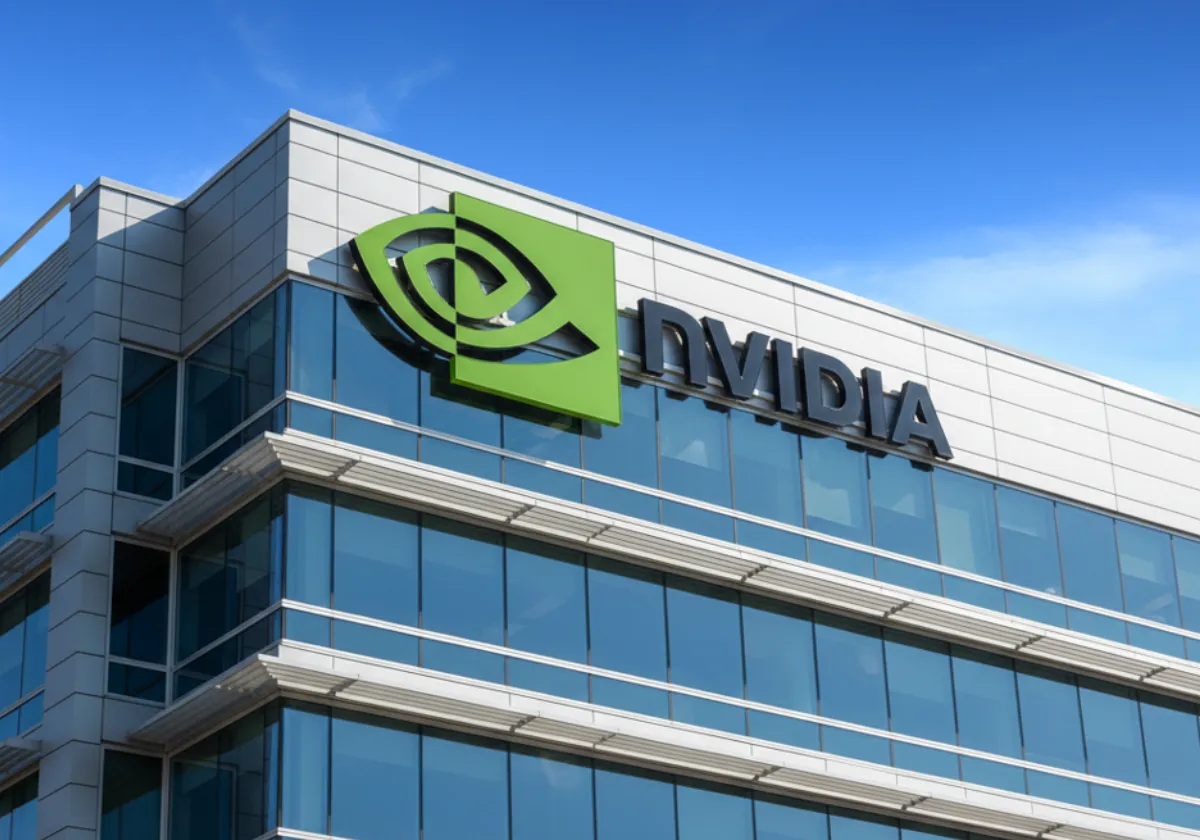
NVIDIA is using $145 billion of supply commitments and a full-stack AI infrastructure model to rewire how capacity, risk, and allocation are managed under parabolic
Supply chains are generating more data than ever, yet many organizations still struggle to coordinate orders, inventory and transportation in real time. Integrating order, warehouse
Supply chains are generating vast amounts of operational data, but many organizations still measure reliability only after service failures occur. Predictive scoring models are changing
AI-equipped forklifts and autonomous drones are giving warehouses a continuous record of how inventory, labor, and equipment interact across the floor. The visibility exposes congestion,
Supply chain disruption modeling remains rare, even as geopolitical tension, volatile trade policy, and fragile logistics networks keep operational risk elevated. A new benchmark from
Supply chain hiring priorities are shifting as automation, outsourced networks, and AI-driven planning tools reshape how companies run logistics and fulfillment operations. Employers are placing
AI is accelerating the speed and scale of cyberattacks across supply chains, exposing vulnerabilities in identity systems, cloud platforms, and connected logistics networks. As digital
Ulta Beauty is using AI, analytics and an automated regional DC to turn shrink and logistics productivity into the funding engine for its next phase
AI agents, digital twins and embedded process intelligence are compressing supply chain decision cycles from weeks to hours as companies automate routing, sourcing and risk
Supply chains generate vast amounts of tracking data, yet costly exceptions still spread across orders, inventory, and logistics because companies struggle to connect events to
NVIDIA is using $145 billion of supply commitments and a full-stack AI infrastructure model to rewire how capacity, risk, and allocation are managed under parabolic