
Warehouse Edge Delays Are Driving Supply Chain Costs
Logistics networks are shifting execution decisions closer to warehouses, yards and docks where disruptions first emerge. By combining real-time data with AI-driven orchestration, companies are

Logistics networks are shifting execution decisions closer to warehouses, yards and docks where disruptions first emerge. By combining real-time data with AI-driven orchestration, companies are

Enterprise supply chains are under increasing pressure to deliver faster service while controlling costs. Yet many networks are still designed to maximise throughput, assuming that

Rail operators are under increasing pressure to move more freight without proportionally increasing labor, locomotives or infrastructure. Rising demand, higher fuel costs and persistent inflation
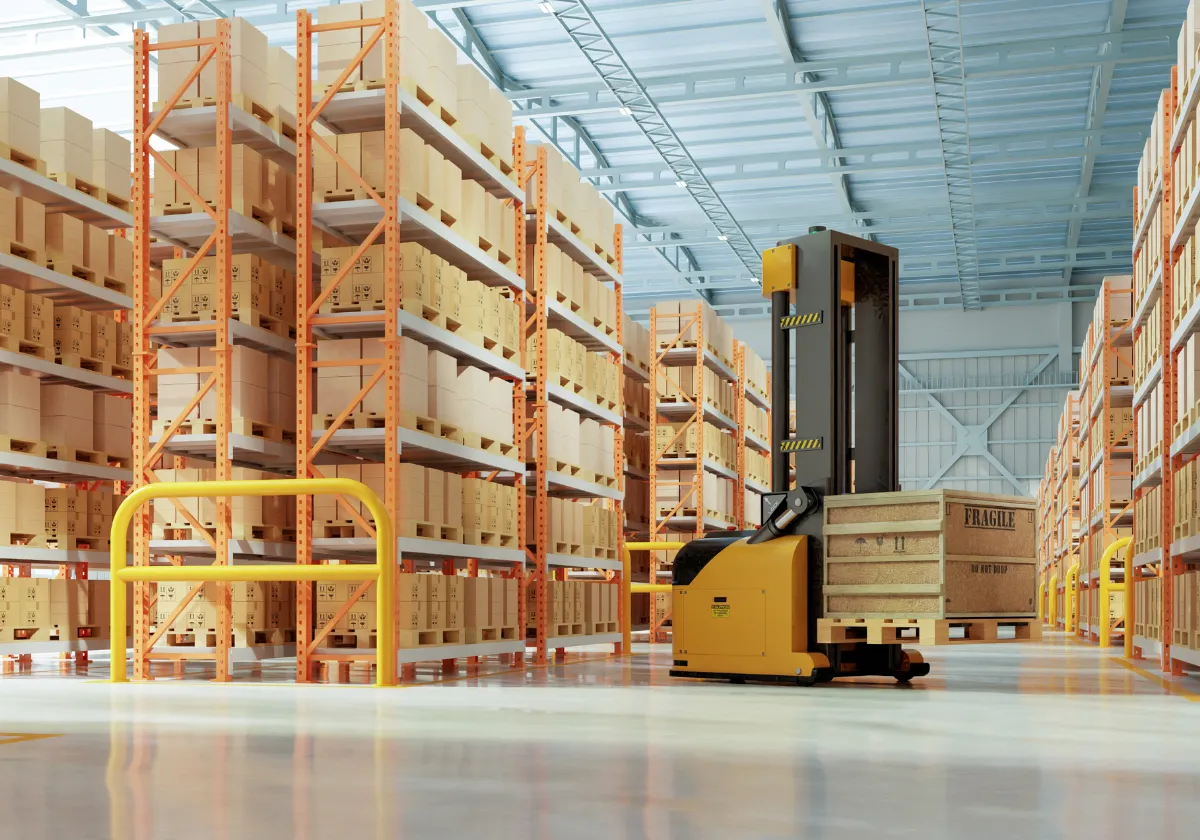
Warehouse storage automation is helping distribution networks increase capacity, improve accuracy and reduce dependence on manual handling as fulfillment demands grow. The greatest returns come

Maintenance scheduling in distribution centers sits at the center of throughput, labor flow, and shipment reliability as automation scales. The timing of interventions shapes downtime
Rising input costs, tariffs and persistent manufacturing inflation are forcing food companies to reconsider one of the biggest supply chain decisions of the past decade.

As supply chains become more volatile, transportation networks face a more complex operating challenge. Demand shifts, labour constraints and fuel price volatility make it increasingly

Vision AI warehouse automation is reshaping how existing facilities handle risk, throughput and labor, without waiting for new greenfield builds. As physical automation and AI
As warehouse volatility intensifies across transportation, labor, and inventory networks, the Pressure Point Framework is giving operations teams a more structured way to diagnose where

Causal demand sensing is helping supply chains anticipate demand by tracking the external conditions that create it rather than relying solely on historical sales. By
Logistics networks are shifting execution decisions closer to warehouses, yards and docks where disruptions first emerge. By combining real-time data with AI-driven orchestration, companies are
Enterprise supply chains are under increasing pressure to deliver faster service while controlling costs. Yet many networks are still designed to maximise throughput, assuming that
Rail operators are under increasing pressure to move more freight without proportionally increasing labor, locomotives or infrastructure. Rising demand, higher fuel costs and persistent inflation
Warehouse storage automation is helping distribution networks increase capacity, improve accuracy and reduce dependence on manual handling as fulfillment demands grow. The greatest returns come
Maintenance scheduling in distribution centers sits at the center of throughput, labor flow, and shipment reliability as automation scales. The timing of interventions shapes downtime
Rising input costs, tariffs and persistent manufacturing inflation are forcing food companies to reconsider one of the biggest supply chain decisions of the past decade.
As supply chains become more volatile, transportation networks face a more complex operating challenge. Demand shifts, labour constraints and fuel price volatility make it increasingly
Vision AI warehouse automation is reshaping how existing facilities handle risk, throughput and labor, without waiting for new greenfield builds. As physical automation and AI
As warehouse volatility intensifies across transportation, labor, and inventory networks, the Pressure Point Framework is giving operations teams a more structured way to diagnose where
Causal demand sensing is helping supply chains anticipate demand by tracking the external conditions that create it rather than relying solely on historical sales. By