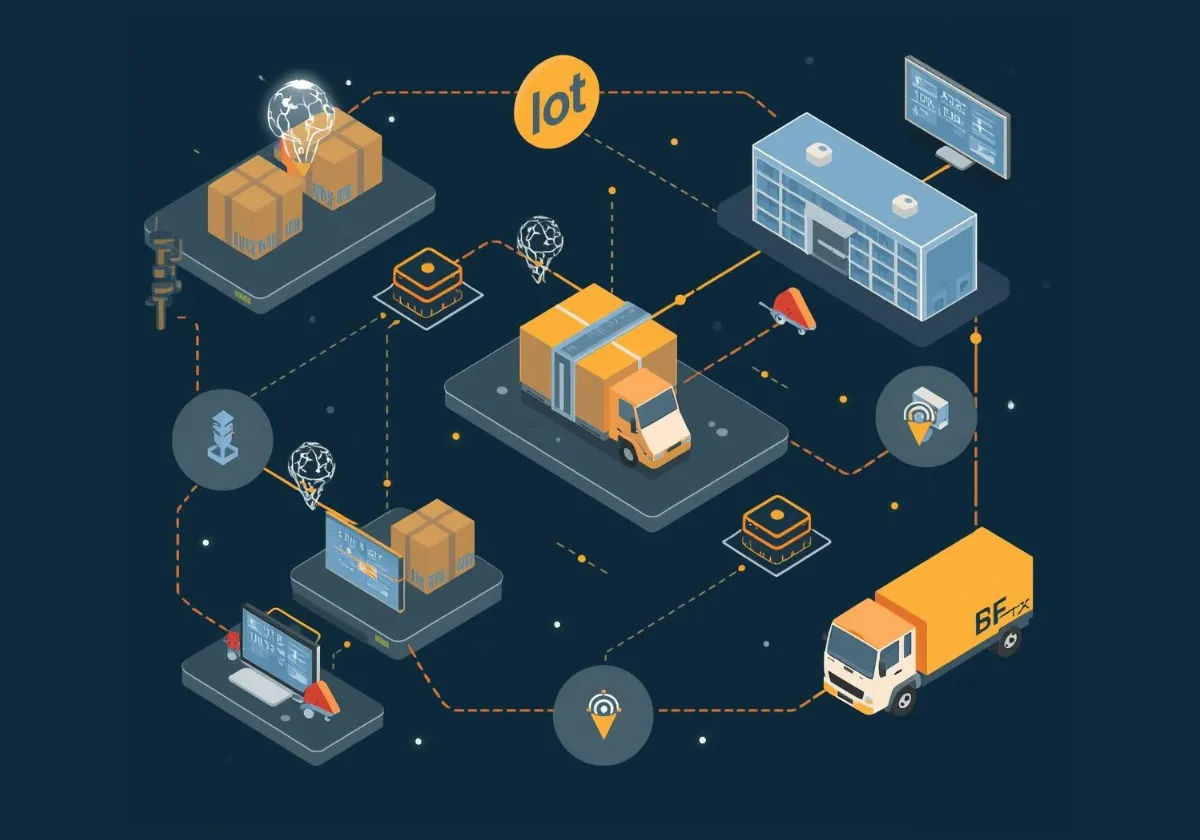
Ambient IoT Connects Reusable Packaging Fleets
Ambient IoT supply chain tracking is turning reusable transport packaging from an unmanaged cost pool into a connected operational asset. By instrumenting pallets, bins and

Ambient IoT supply chain tracking is turning reusable transport packaging from an unmanaged cost pool into a connected operational asset. By instrumenting pallets, bins and

Gap is recasting its resilient supply chain around diversification, automation and deeper collaboration with logistics partners as disruption becomes a constant. The company is reworking
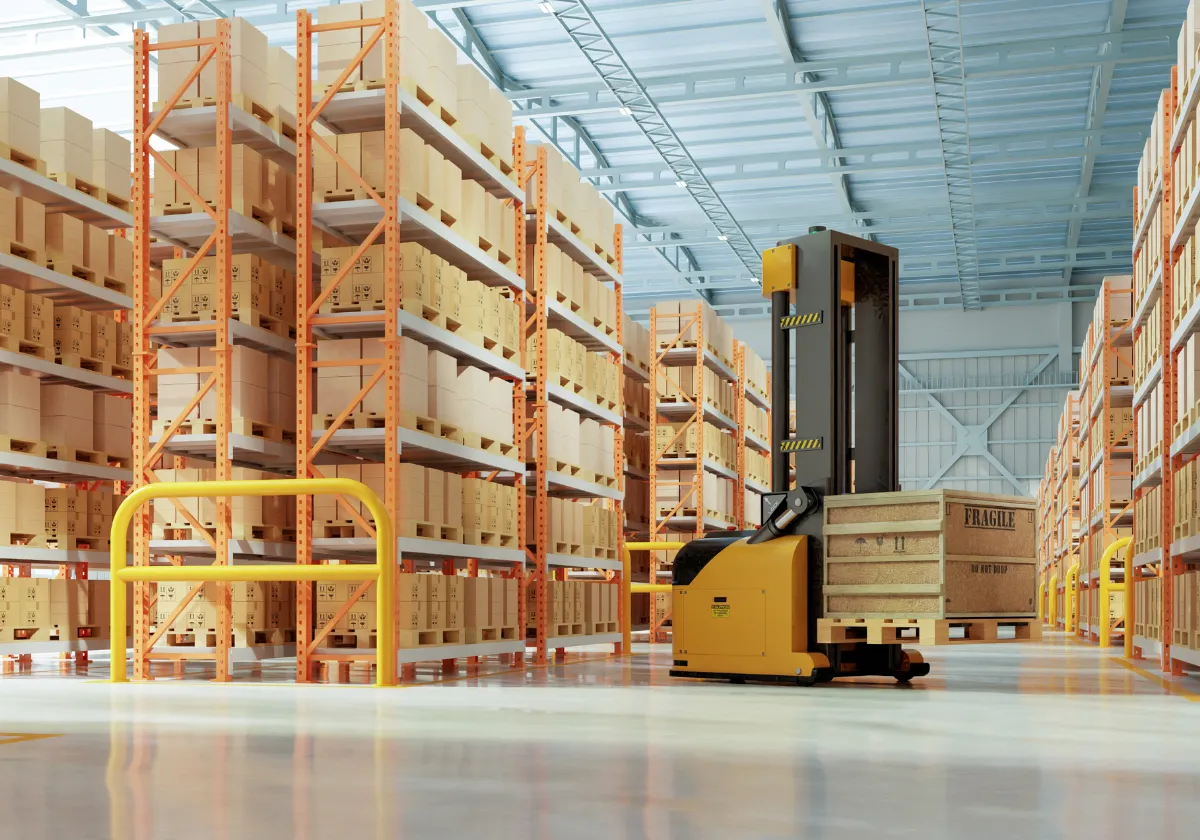
Warehouse racking safety has turned into a structural concern for warehouse networks as dense storage, tighter service promises and automation load more pressure onto steel
Wendy’s is using Project Fresh to cut low-performing sites, redirect capital, and rebuild unit economics around a leaner, digitally supported network. In Brief From More

Coca-Cola is operating its network as an all-weather system designed to keep growth, margin and cash on track while local markets move in different directions.
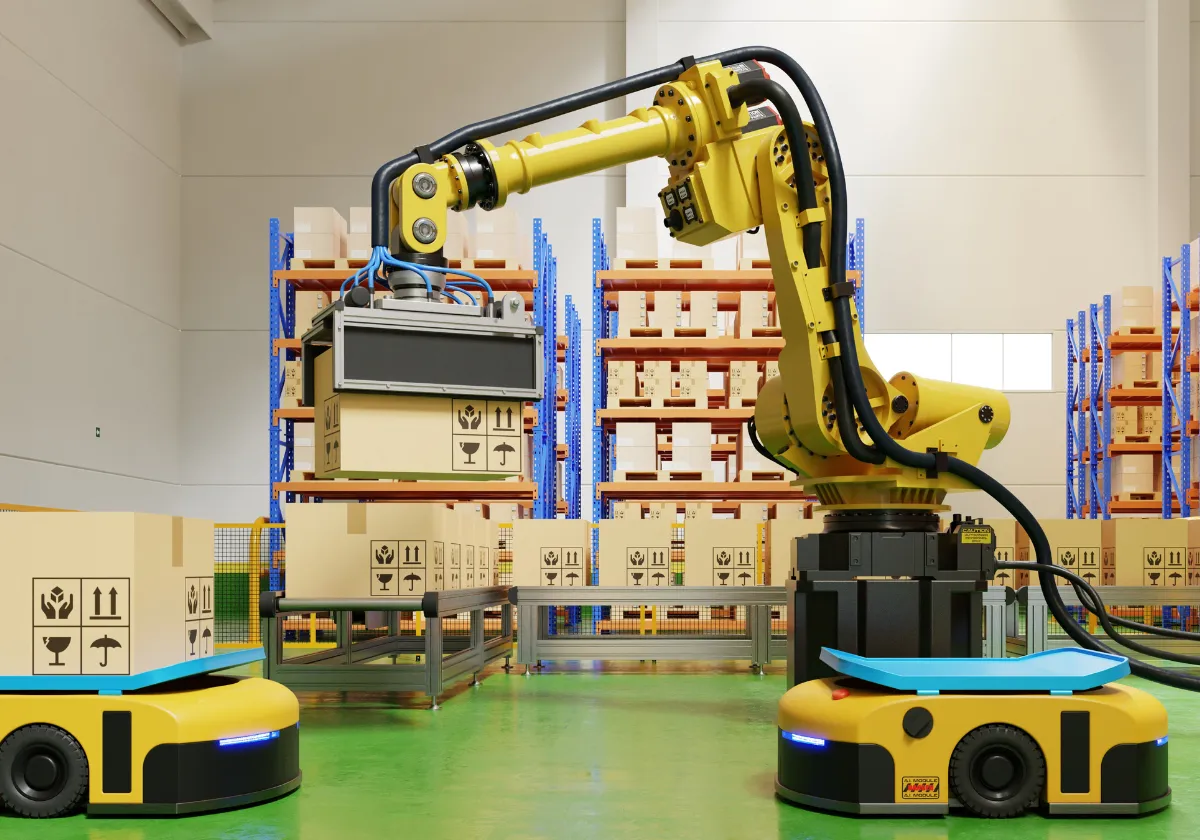
Warehouses generate a constant stream of motion, decisions, and trade-offs, yet most systems still model pick activity using broad averages that fail to capture how
FedEx Freight has moved closer to its long-planned spin-off, using newly filed securities documents to clarify how it intends to compete as a standalone company

BP’s recent cost and reliability disclosures offer a clear view of how large organisations can reset operating baselines through supply chain and logistics decisions, not

Philips is treating a 250–300 million euro tariff burden as a trigger to redesign its supply chain, using productivity, regionalisation and mix rather than accepting
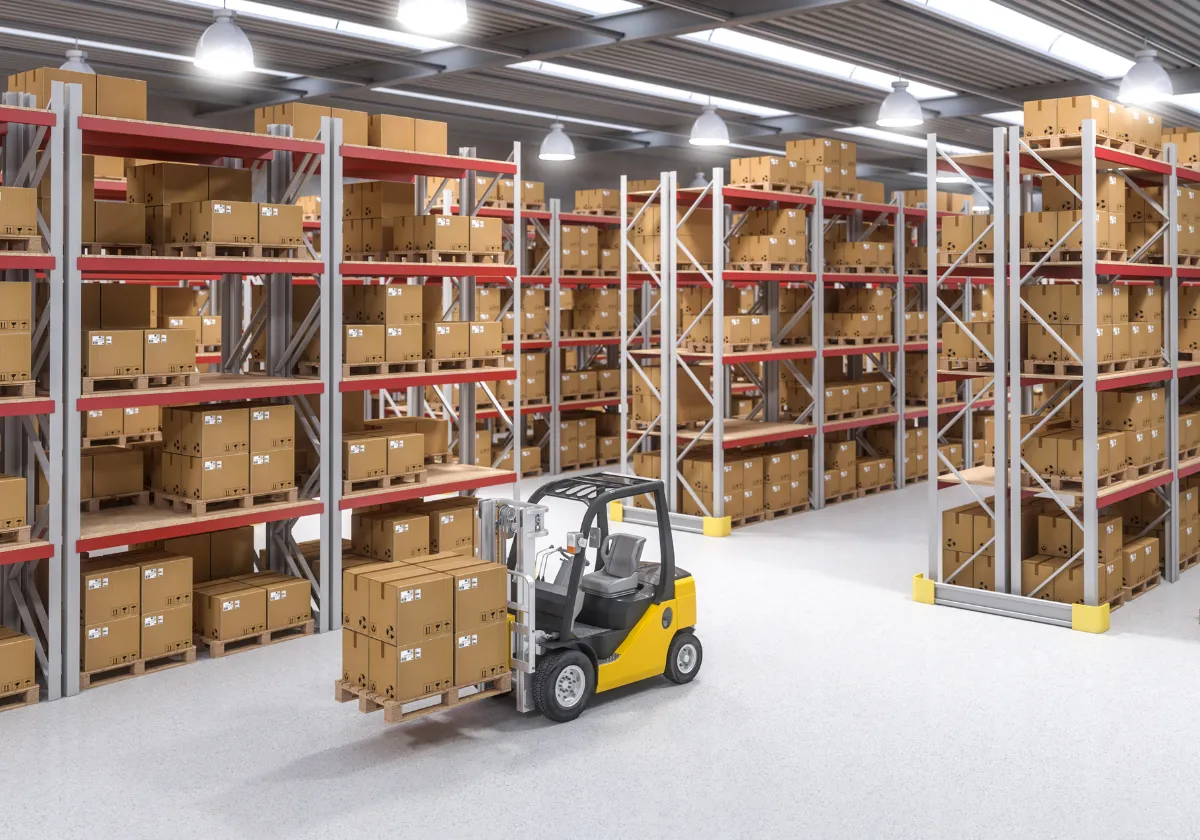
Serious forklift incidents continue to occur across distribution centers, logistics hubs, and manufacturing sites, despite well-established training requirements and a growing range of safety technologies.
Ambient IoT supply chain tracking is turning reusable transport packaging from an unmanaged cost pool into a connected operational asset. By instrumenting pallets, bins and
Gap is recasting its resilient supply chain around diversification, automation and deeper collaboration with logistics partners as disruption becomes a constant. The company is reworking
Warehouse racking safety has turned into a structural concern for warehouse networks as dense storage, tighter service promises and automation load more pressure onto steel
Wendy’s is using Project Fresh to cut low-performing sites, redirect capital, and rebuild unit economics around a leaner, digitally supported network. In Brief From More
Coca-Cola is operating its network as an all-weather system designed to keep growth, margin and cash on track while local markets move in different directions.
Warehouses generate a constant stream of motion, decisions, and trade-offs, yet most systems still model pick activity using broad averages that fail to capture how
FedEx Freight has moved closer to its long-planned spin-off, using newly filed securities documents to clarify how it intends to compete as a standalone company
BP’s recent cost and reliability disclosures offer a clear view of how large organisations can reset operating baselines through supply chain and logistics decisions, not
Philips is treating a 250–300 million euro tariff burden as a trigger to redesign its supply chain, using productivity, regionalisation and mix rather than accepting
Serious forklift incidents continue to occur across distribution centers, logistics hubs, and manufacturing sites, despite well-established training requirements and a growing range of safety technologies.