
FedEx Reveals Logistics Data Blind Spots
FedEx’s Future of Logistics Intelligence Report puts logistics intelligence at the center of network design, revealing how data gaps and strained systems undermine confident execution.

FedEx’s Future of Logistics Intelligence Report puts logistics intelligence at the center of network design, revealing how data gaps and strained systems undermine confident execution.

Amazon has quietly shelved development of its Blue Jay sorting robot just months after unveiling it, a rare retreat for a company that has spent

Schneider Electric has rebuilt its supply chain around customer experience, treating delivery confidence as a core design parameter that shapes planning, logistics and communication. The
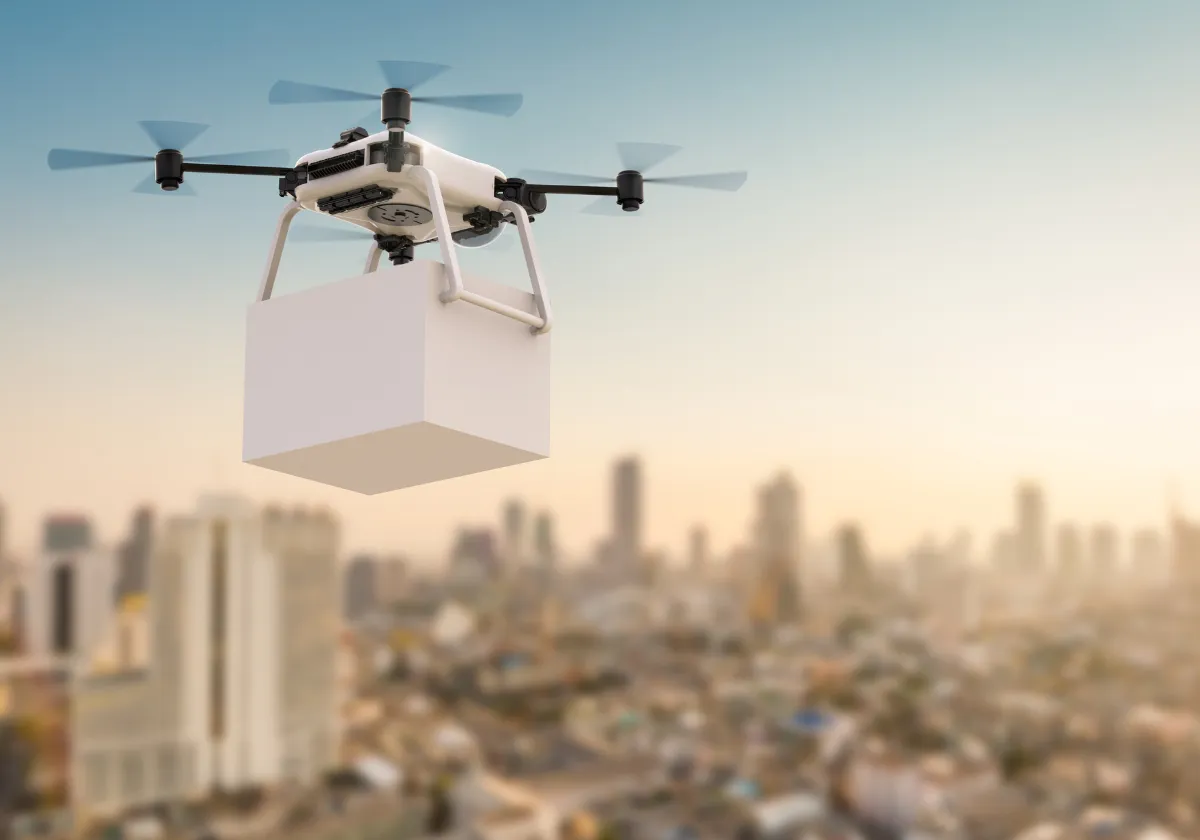
Drone logistics is moving into live networks, taking on last mile drops, inventory checks, and remote deliveries that strain traditional transport. The next hurdle is
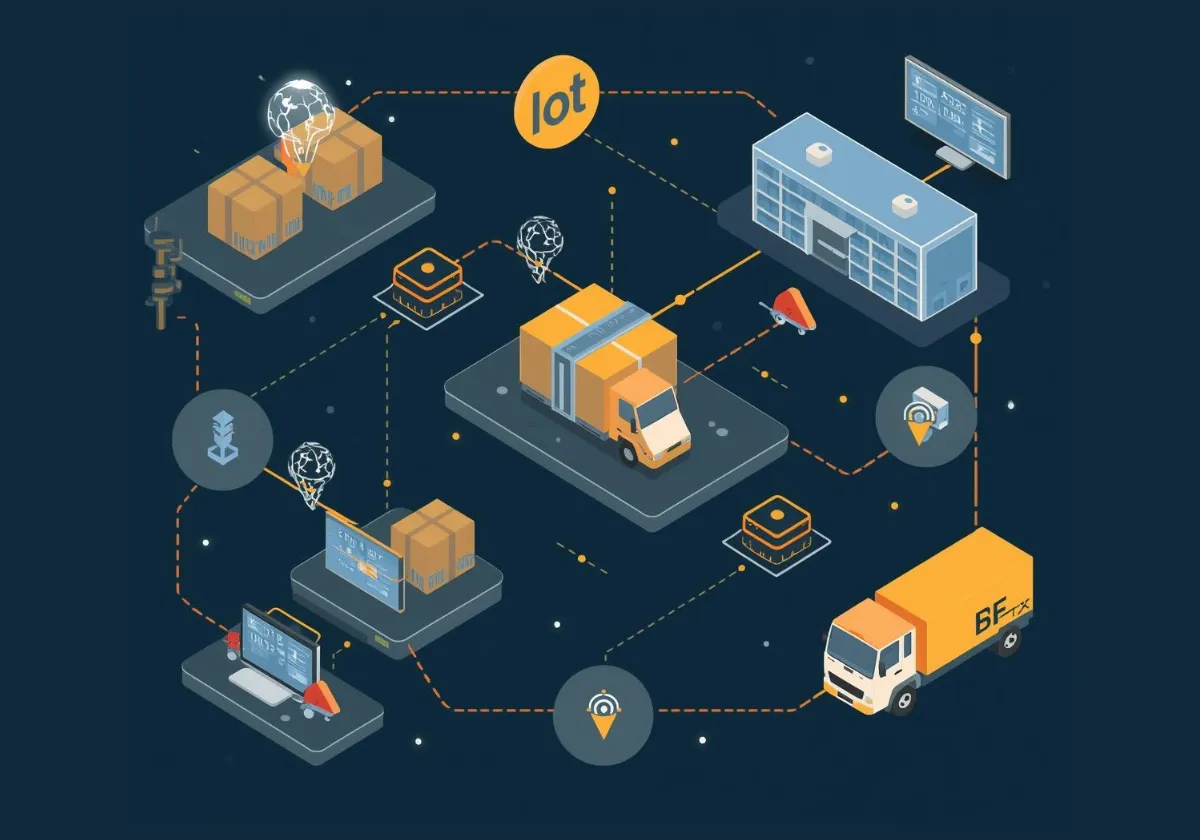
Ambient IoT supply chain tracking is turning reusable transport packaging from an unmanaged cost pool into a connected operational asset. By instrumenting pallets, bins and

Advance Auto Parts has turned a rapid DC consolidation into a hub-led network strategy that links availability, delivery speed and margin recovery in ways that

America’s freight network runs on finely tuned handoffs that break down as soon as disruption hits, and the middle mile absorbs much of the damage.

Supply chains have invested heavily in shipment visibility, yet most organizations still struggle to intervene when delays begin to cascade. A new FedEx analysis reinforces
Amazon is recasting its logistics network around carbon as a core design constraint, launching the Shipment Zero initiative to deliver 50 percent of customer orders

Mounting regulation, rising customer expectations, and tightening sustainability commitments are forcing companies to rethink how they plan, power, and operate their vehicle networks. Yet the
FedEx’s Future of Logistics Intelligence Report puts logistics intelligence at the center of network design, revealing how data gaps and strained systems undermine confident execution.
Amazon has quietly shelved development of its Blue Jay sorting robot just months after unveiling it, a rare retreat for a company that has spent
Schneider Electric has rebuilt its supply chain around customer experience, treating delivery confidence as a core design parameter that shapes planning, logistics and communication. The
Drone logistics is moving into live networks, taking on last mile drops, inventory checks, and remote deliveries that strain traditional transport. The next hurdle is
Ambient IoT supply chain tracking is turning reusable transport packaging from an unmanaged cost pool into a connected operational asset. By instrumenting pallets, bins and
Advance Auto Parts has turned a rapid DC consolidation into a hub-led network strategy that links availability, delivery speed and margin recovery in ways that
America’s freight network runs on finely tuned handoffs that break down as soon as disruption hits, and the middle mile absorbs much of the damage.
Supply chains have invested heavily in shipment visibility, yet most organizations still struggle to intervene when delays begin to cascade. A new FedEx analysis reinforces
Amazon is recasting its logistics network around carbon as a core design constraint, launching the Shipment Zero initiative to deliver 50 percent of customer orders
Mounting regulation, rising customer expectations, and tightening sustainability commitments are forcing companies to rethink how they plan, power, and operate their vehicle networks. Yet the