Drone logistics is moving into live networks, taking on last mile drops, inventory checks, and remote deliveries that strain traditional transport. The next hurdle is not flight itself but fitting unmanned aircraft into planning, control, and resilience models in ways that justify their cost and regulatory complexity.
From Warehouse Rafters To Last Mile Lanes
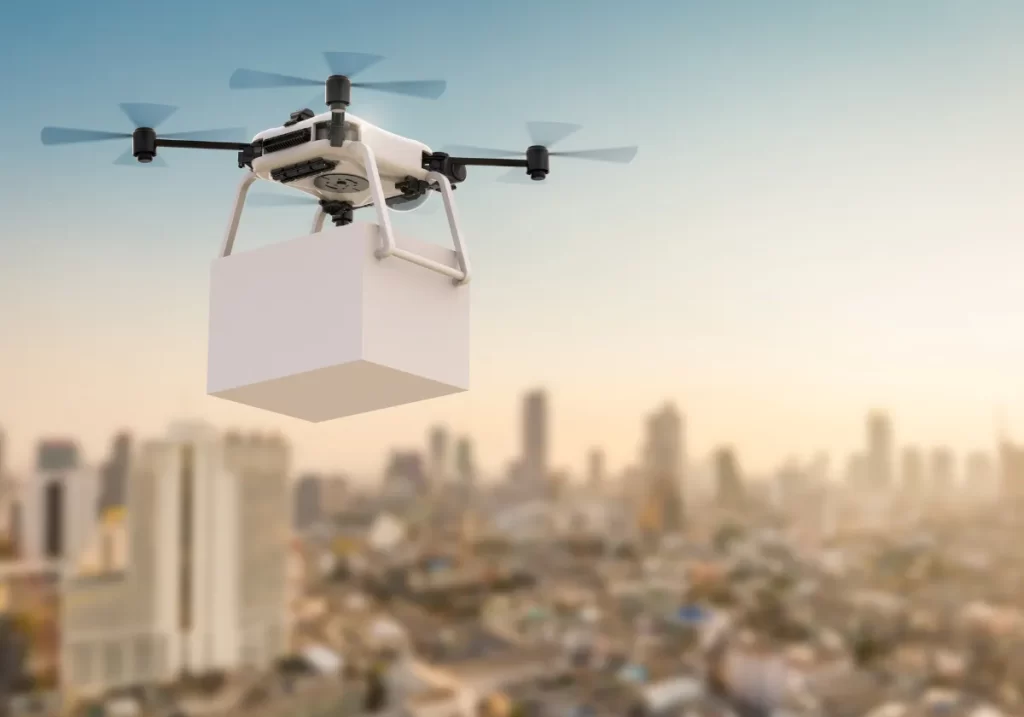
The operational footprint of drones now spans several clearly defined use cases. In last mile delivery, small electric aircraft carry parcels directly to homes or neighborhood drop sites in selected regions of the United States and Europe, under tight rules on payload, range, and low-altitude airspace. These routes focus on light consignments of around 5 kilograms or less where speed, access, or emergency needs justify an aerial segment.
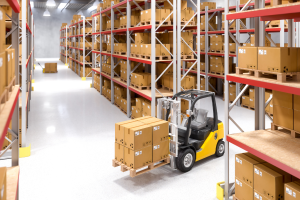
Inside warehouses and distribution centers, autonomous drones already appear in day-to-day routines at some large facilities. Systems operated by logistics providers and technology firms navigate aisles, scan pallet positions, read barcodes and tags at height, and reconcile inventory files, often overnight when floors are quiet. This approach cuts manual cycle counting, improves data quality, and allows teams to redeploy labor to exception resolution and process improvement.
Specialized missions are expanding in parallel. Medical logistics operations in remote or infrastructure-poor regions use fixed-wing drones to carry blood products, vaccines, and critical medicines across long distances where poor roads or seasonal floods slow ground transport. Large industrial campuses and ports rely on unmanned aircraft for perimeter patrols, equipment inspections, and movement of small but urgent components or documents between sites. These deployments demonstrate that drones already offer dependable service where terrain, security, or urgency limit traditional options.
Several structural forces explain why adoption is accelerating now. Electric propulsion keeps operating emissions low and aligns with tightening climate commitments, while advances in navigation, obstacle detection, and battery management have improved reliability and broadened viable weather windows. New airspace concepts, including European U-space frameworks and evolving approvals for beyond-visual-line-of-sight flights in the United States, provide a pathway for routine commercial missions instead of one-off demonstrations.
Limits remain significant. Typical multicopter platforms support only 20 to 40 minutes of flight with modest payloads and are sensitive to wind, heavy rain, and interference with navigation signals. To operate at useful scale, drones require a supporting grid of takeoff and landing pads, charging or battery swap points, maintenance capacity, and integrated command software. Public concerns over noise, privacy, and low-altitude congestion continue to influence deployment patterns and community permits.
Designing Drone-ready Networks and Control Layers
For complex supply networks, the central question is how aerial legs alter network design, not simply whether a vehicle can fly from A to B. Standalone drone lanes rarely justify the capital and regulatory work. Value emerges when drones are positioned as one more mode within a unified architecture that coordinates ground fleets, warehouse operations, and inventory policies from the same data and decision logic.
One emerging pattern is the hybrid vehicle model. Trucks and vans carry consolidated loads along established routes and act as mobile micro-hubs, while drones drop selected parcels to hard-to-reach addresses, remote facilities, or congested urban pockets from those vehicles. This structure reduces empty mileage, broadens same-day coverage, and avoids overbuilding fixed depots in thin or volatile markets. It also concentrates drone use on lanes where their higher cost per kilogram is offset by improvements in service or access.
Intralogistics deployments follow similar integration logic. Drone-based inventory scans feed directly into warehouse management and planning systems, tightening the loop between physical stock and digital records. With more frequent and accurate data, planners can refine reorder points, trim safety buffers, and spot shrinkage or misplacements earlier. Used this way, drones function as a mobile sensor layer that supports broader digital twin and simulation efforts.
Autonomous operations beyond visual line of sight represent the pivotal technical and regulatory line. Once aircraft can fly preapproved corridors with limited human supervision, cost per mission falls and maximum range increases, making cross-town or regional legs viable rather than just short hops. Industry reports highlight ongoing work on detect-and-avoid systems, remote identification standards, and shared traffic management platforms as essential building blocks for that phase.
Economic outcomes depend on use density and case selection. Current deployments show the strongest returns in high-value, time-critical, or access-constrained flows such as emergency medical shipments, inventory audits across large footprints, and monitoring of extensive industrial sites. Broad substitution of conventional parcel delivery remains distant under present payload, cost, and regulatory conditions. Even so, modest drone volumes can influence thinking on buffer stock, emergency logistics, and service commitments in remote or climate-exposed territories.
Resilience is an increasingly important lens. Aerial routes provide alternative paths when floods, landslides, civil unrest, or urban disruptions block roads or rail links, supporting both inbound materials and outbound service. Recent climate and geopolitical shocks have prompted closer evaluation of drones as embedded continuity capacity, rather than as experimental technology held at arm’s length. That mindset shifts evaluation from pure delivery unit cost toward avoided production stoppages and protected revenue.
Where Drones Bend The Curve Next
The practical design task now is to pinpoint where drones materially change cost-to-serve, service risk, or emissions curves, instead of waiting for universal deployment. Use cases that combine constrained access, tight delivery windows, and high consequence of failure will set the pace, and lessons from those lanes will shape future playbooks for inventory positioning, routing strategies, and resilience planning across wider networks.