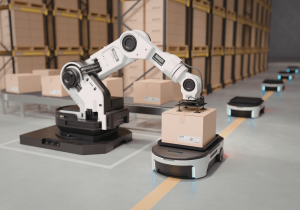
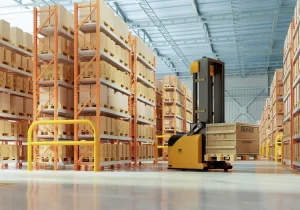
Warehouse execution is becoming a competitive differentiator as distribution networks contend with rising complexity, labor constraints and tighter customer expectations. Intelligent warehouse management is helping organizations shorten response times by embedding real-time decision-making directly into warehouse operations.
Execution Latency: The New Bottleneck In Warehouse Performance
Many operations now collect extensive data on inventory, orders and transportation, yet the core bottleneck sits between visibility and action. The delay between seeing an exception and executing the right response amplifies cost, increases error rates and erodes service reliability. As product portfolios expand and tariff regimes shift, task queues grow more volatile and human planners struggle to keep pace with continuous reprioritisation.
Traditional warehouse systems excel at enforcing predefined processes such as receiving, put-away, picking and shipping. They tend to rely on static rules, batch updates and manual escalations when volume spikes or constraints hit. That structure worked when demand patterns were more predictable, labor was easier to flex and customer promises were less aggressive. It breaks down when each day brings fresh combinations of carrier delays, inbound variability, cross-border complexity and last-minute order changes.
Intelligent warehouse management aims to compress this latency by shifting from after-the-fact visibility to embedded decision support at the moment of execution. Instead of dashboards that require interpretation, execution systems invoke algorithms that evaluate options and recommend or trigger actions in real time. That logic can weigh order priority, equipment availability, labor skills, dock capacity and transportation cut-off times before assigning the next task to a worker or allocating inventory to a shipment.
Embedding Intelligence Directly Into Warehouse Workflows
The next generation of warehouse management platforms links sensing, deciding and acting as a single flow inside the operation. Telemetry from handheld devices, automation equipment, yard systems and transportation platforms feeds a continuous picture of what is happening on the floor. Decision services then score exceptions such as late arrivals, short picks or capacity pinch points and push targeted instructions into the execution queue.
This approach changes how work is orchestrated. Instead of supervisors re-sequencing tasks during every disruption, workers receive dynamically updated instructions that reflect current conditions and business rules. Order picking can be reprioritised when a premium shipment risks missing its departure window. Cross-dock opportunities can be surfaced automatically when inbound and outbound moves line up. Transportation plans can be adjusted when congestion indicators or new tariff thresholds affect routing choices.
Intelligent workflows also support tighter integration between warehouse, order management and transportation planning. When the system identifies a conflict between available labor and outbound volume, it can signal order promising engines to adjust cut-off times or partial-ship rules. When an inbound delay threatens a consolidation plan, it can trigger alternative carrier selections or re-slotting to maintain throughput. Industry reports indicate that operations using such closed-loop execution can reduce manual interventions and stabilise on-time performance even as product ranges and service options expand.
Designing for this level of responsiveness requires more than new software features. Data models must unify item, location, capacity and cost attributes in a way that execution logic can query in real time. Governance frameworks must define which decisions can be automated outright, which require human approval and which should be flagged for post-event review. Workforce training must emphasise exception handling and system interpretation rather than static task repetition, since algorithms will increasingly handle routine allocation and sequencing.
Execution Intelligence Will Define Warehouse Agility
As warehouse operations become more dynamic, competitive advantage will increasingly depend on how quickly organizations convert information into coordinated action. Integrating real-time data, automated decision support and disciplined governance into execution processes can help distribution networks improve throughput, strengthen service reliability and adapt more effectively to changing market conditions.