Shippers are navigating a freight environment where rising rejection rates, persistent security risks, and shifting policy signals are forcing more active network design decisions, according to Uber Freight’s latest market outlook.
The North American freight market is entering 2026 with renewed strain. Capacity is tightening unevenly across lanes, spot rates remain elevated, and external pressures, from tariffs to regulatory adjustments, are altering how freight moves. At the same time, operational risks such as cargo theft and fraud continue to climb, adding another layer of complexity to already fragile routing strategies.
Capacity Tightens While Demand Signals Diverge
Tender acceptance rates have fallen to roughly 85%, down from 92% a year ago, signaling that more contracted freight is spilling into secondary routing options or the spot market. That shift is driving cost volatility, particularly as spot rates remain more than 25% higher year over year.
While higher spot rates have triggered an uptick in Class 8 truck orders, long production lead times mean additional capacity will arrive too slowly to materially ease conditions in 2026. This lag between pricing signals and physical capacity is extending the current imbalance across truckload networks.
Demand trends are also splitting along sector lines. Consumer-driven freight, particularly retail and CPG, continues to support volume growth, while industrial freight remains subdued. However, early indicators in manufacturing orders suggest potential stabilization, aligning with broader trade data that has pointed to gradual normalization following the tariff-driven distortions of 2025.
As a result, tighter conditions are emerging in key corridors, especially those exposed to weather disruptions. Shippers are increasingly securing capacity earlier in the cycle, closely tracking routing guide performance and rejection trends to avoid last-minute exposure to inflated spot pricing.
Security Risks and Modal Spillover Add Pressure
Beyond pricing and capacity, risk exposure is rising across freight networks. Cargo theft, fraud, and extortion incidents increased by 18% in 2025 across North America, according to industry data cited in the report. This sustained elevation in security threats is forcing additional investment in monitoring, verification, and carrier vetting processes, particularly in high-value or high-risk lanes.
At the same time, modal dynamics are shifting. Less-than-truckload rates have reached record highs, up 5.2% year over year, even as demand in the segment has been relatively weak. Carriers have reduced headcount over the past three years, limiting their ability to absorb sudden volume increases. As truckload tightens further, overflow into LTL networks is expected to intensify, potentially amplifying both pricing pressure and service constraints.
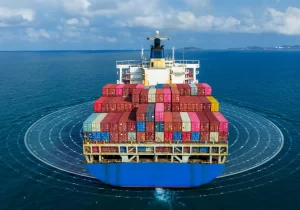
In ocean freight, conditions remain volatile but show signs of gradual improvement. Schedule reliability has dipped slightly to around 63% month over month, with vessel delays averaging just over five days, the second-highest level since April 2025. However, both metrics are improving compared to last year. Import volumes, which softened after the tariff surge in 2025, are beginning to stabilize, though geopolitical uncertainty continues to disrupt rate predictability on key Asia and Europe trade lanes.
Across cross-border markets, particularly in Mexico and Canada, shippers are responding with more frequent mini-bids and routing guide resets. These adjustments reflect ongoing efforts to recalibrate pricing, capacity commitments, and compliance requirements in a shifting regulatory environment.
Capacity Access Is Starting to Reflect Operational Discipline
Carrier selection patterns are becoming more selective in tighter cycles, with preference often given to freight that is predictable, well-timed, and easier to execute. Industry data has consistently shown that dwell time, appointment accuracy, and payment cycles influence carrier allocation decisions alongside price. In practice, this means network performance at the shipment level is beginning to shape access to capacity in ways that are not always visible in rate benchmarks alone.