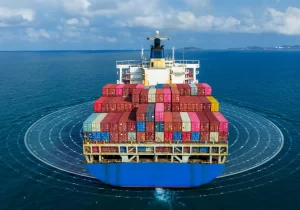
Supply chain control towers now anchor how complex networks are steered, turning scattered data into a single point of coordination and action. The way these hubs are designed decides whether visibility leads to earlier warnings, faster interventions, and measurable gains in service, cost, and working capital.
Control Tower as Operating System, Not Dashboard
The modern supply chain control tower functions as an operating hub that concentrates data, people, and decision rights in one place. It pulls information from planning, sourcing, manufacturing, logistics, and customer systems, then applies defined rules so issues move quickly from detection to resolution. Some towers focus on logistics execution, others on planning or end-to-end demand-to-delivery control, yet the core intent remains consistent: earlier awareness of risk and faster, coordinated response.
Scope and time horizon shape how the tower behaves day to day. Narrower constructs concentrate on transport moves, warehouse flows, and near-term fulfillment, while broader versions span materials planning, production sequencing, and deployment across weeks or months. In each case the tower becomes the point where constraints, capacities, and demand shifts are reconciled, instead of being pushed through separate functional silos.
Digital platforms provide the connectivity, but the benefit appears only when data quality and organizational design line up. Near-real-time feeds on orders, inventory, capacity, and external events allow the tower team to see conflicts and trade-offs earlier. That visibility must be paired with explicit decision rights: who can reroute freight, reassign production, change order priorities, or override the plan. Without this governance layer, the control tower remains a monitoring function with limited impact on outcomes.
When designed well, control towers change the economics of variability. Industry analyses show that earlier detection of transport delays and material shortages reduces expediting, premium freight, and scrap, while tighter synchronization of supply and demand lowers safety stocks and short-cycle plan changes. Customer-facing metrics also tend to improve, with higher on-time performance and better order fill as constraint management moves from ad hoc firefighting to structured intervention.
Design Choices That Determine Real-world Impact
The central design question is not which control tower application to license, but how to architect the combination of data, process, and organization around it. Some companies build internal hubs in existing supply chain campuses; others rely on third-party specialists such as 3PLs or 4PLs that aggregate operations for multiple clients. The decision usually hinges on current skills, geographic footprint, and whether internal teams can be consolidated without excessive relocation cost or loss of experience.
Data foundations frequently become the rate limiter. Fragmented transport management, warehouse, and planning systems, inconsistent master data, and slow integrations dilute the promise of real-time alerts. Control tower programs that succeed tend to prioritize a clean, integrated data model, clear expectations on latency, and standard event definitions so the tower team understands what each alert represents and how to respond.
Work design is equally critical. The tower must be staffed with people who understand planning logic and execution realities, supported by standard playbooks that convert alerts into actions. These playbooks define triage rules, escalation paths, and financial guardrails so teams can act quickly without constant senior approval. Recent implementations increasingly embed analytics and early forms of AI to highlight patterns in disruptions, recommend options, and quantify service, cost, and cash effects before decisions are confirmed.
The business case rarely rests on a single metric. Revenue gains arise from higher product availability and fewer lost orders, while cost improvements surface through lower expediting, better asset utilization, and reduced waste. Working capital benefits as buffers shrink once variability is managed more predictably. Industry reports indicate that organizations with mature control tower models also recover faster from external shocks, because network-wide consequences of events such as port closures or supplier failures are visible and actionable in one place.
From Visibility Project To Structural Capability
Control towers increasingly sit at the point where daily execution meets long-horizon design choices on footprint, capacity, and inventory. Treating the tower as the reference model for how decisions are made, escalated, and measured creates a practical filter for future investments: any new tool, process, or partnership that cannot plug into that nerve center or strengthen it belongs on a different priority list.