New research from Easy Metrics reveals how warehouse and distribution leaders are reengineering their operations to move from reactive firefighting to predictive, data-driven management. Amid persistent volatility in labor, demand, and supply flows, the study shows that agility now depends less on expanding capacity and more on optimizing decisions in real time.
From Firefighting to Forecasting
According to Easy Metrics’ latest survey, 52% of respondents cited supply chain delays as their biggest operational challenge in the past year, followed by labor shortages (42%) and fluctuating order volumes (39%). Nearly half of warehouse leaders now adjust staffing or shift plans at least weekly, and one in four do so daily, a sign that operational rhythm is increasingly dictated by data rather than static schedules.
Dean Dorcas, CEO of Easy Metrics, said the findings point to a pivotal moment for warehouse strategy: “Volatility isn’t just a source of risk; it’s an opportunity. Leaders who embrace agility, visibility, and smarter use of data can turn disruption into a competitive edge.” However, 69% of respondents still rely primarily on spreadsheets, a legacy practice that continues to slow decision cycles despite growing investments in digital performance tracking.
A Measured March Toward Automation
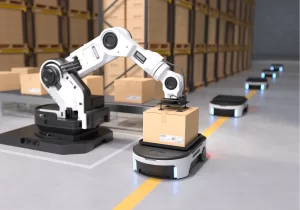
Only 27% of organizations increased automation in the past two years, reflecting what Dorcas describes as a “cautious but practical” approach to technology adoption. Instead, leaders are focusing on initiatives that yield immediate control, such as standardizing labor performance metrics, introducing benchmarking data, and refining forecasting accuracy. Sixty-three percent track facility-level performance or cost metrics, suggesting that visibility is advancing, but unevenly across networks.
Industry data from trade reports corroborate this pattern: while the global warehouse automation market continues to expand, many operators are prioritizing flexible workforce management over large-scale robotics as they balance capital discipline with resilience. The emphasis is shifting from “how much automation” to “how fast can we adapt.”
Where Agility Becomes Governance
As warehouses digitize their labor and cost data, the next step is ensuring those insights are governed with the same rigor as financial metrics. Without clear accountability for how data-driven adjustments are made, who approves them, how they’re validated, and what thresholds trigger change, agility can quickly turn into inconsistency. The firms that build operational governance into their agility models will be the ones able to sustain precision even as volatility persists.