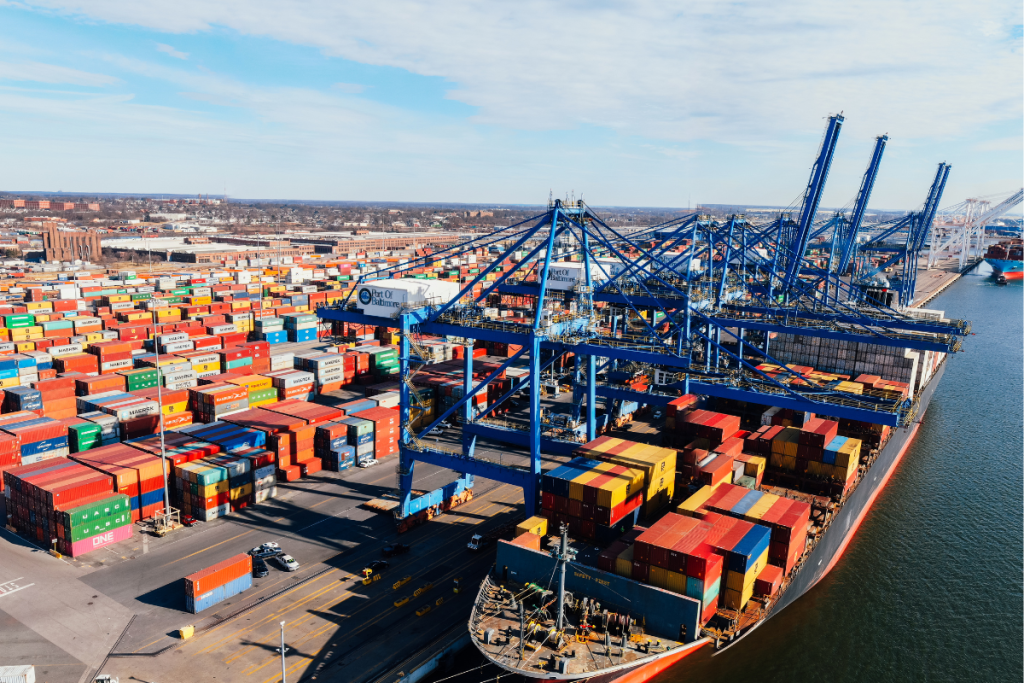
Maritime trade is quietly redrawing its map. As sanctions, canal disruptions, and climate pressures squeeze the world’s busiest shipping corridors, traffic is spilling into smaller ports once considered peripheral. These “shadow ports”, from North Africa to Southeast Asia, are absorbing diverted volumes at a pace few expected.
For carriers and forwarders, the detour offers relief from clogged channels and costly delays. But the shift is not without risk. These ports often lack robust customs digitization, cargo screening, or transparent tariff frameworks. That gap makes them attractive for traders seeking to bypass restrictions, and risky for legitimate operators who must still answer to regulators, insurers, and customers further upstream. A shipment cleared through a poorly monitored port can leave logistics providers exposed to fines, seizures, or reputational damage long after delivery.
Compliance Blind Spots Multiply
Three areas stand out as immediate challenges for logistics networks relying on shadow ports:
Documentation Integrity: Bills of lading and certificates of origin may be processed manually, with higher risk of forgery or incomplete records. AI-driven fraudsters are already exploiting these weak points to insert synthetic cargo documentation into supply chains.
Sanction Exposure: Regulators in the U.S. and EU are tightening “secondary sanctions” enforcement, meaning cargo passing through ports with weak oversight can implicate operators even if the final customer is compliant.
Insurance and Liability: Underwriters are beginning to price risk premiums for cargo routed through unvetted secondary ports. A lower berth fee may quickly be offset by higher insurance costs, or outright denial of coverage.
Preparing for a Multi-Port Future
Shadow ports are not going away. In fact, they are becoming essential relief valves as global networks strain under climate and geopolitical shocks. The strategic task for logistics operators is not to avoid them, but to build guardrails for safe participation.
Enhanced Due Diligence: Operators can no longer treat every port as equal. Incorporating port-level compliance scoring into routing decisions means weighing factors such as the quality of customs procedures, the reliability of documentation, and the degree of transparency around tariff enforcement. Some firms are beginning to integrate these scores into digital control towers, allowing planners to compare speed and cost savings against the potential exposure of using a poorly monitored hub. The goal is not just to avoid the riskiest facilities, but to have a structured framework for deciding when the trade-off is acceptable.
Digital Verification Tools: Weak paperwork is one of the main entry points for compliance failure. To close that gap, companies are deploying digital tools to verify cargo records before shipments leave shadow ports. Blockchain-backed bills of lading can provide immutable audit trails, while automated verification systems cross-check documents against trusted data sources. These tools reduce reliance on manual inspection and offer insurers and regulators clearer evidence that an operator has exercised diligence, even when cargo passes through high-risk corridors.
Shared Intelligence Networks: No single company can see every risk emerging across hundreds of secondary ports. That is driving interest in shared intelligence platforms where carriers, forwarders, and insurers exchange information on irregularities in documentation, unusual routing patterns, or sudden changes in port activity. By pooling this data, logistics providers can detect potential diversion hubs earlier than regulators and adjust routing before risks become systemic. Participation in these networks is fast becoming a marker of credibility with both underwriters and multinational customers.
Rethinking Port Hierarchies
The rise of shadow ports is often framed as a compliance headache, but their growing role may signal something more profound: a quiet redistribution of global trade gravity. History shows that once cargo flows establish a foothold, whether through Dubai in the 1990s or Shenzhen in the early 2000s, they rarely retreat entirely, even if the initial drivers were circumstantial. Secondary hubs absorbing today’s diverted volumes could become tomorrow’s entrenched gateways, attracting investment in infrastructure and logistics services that gradually recalibrate established trade lanes.