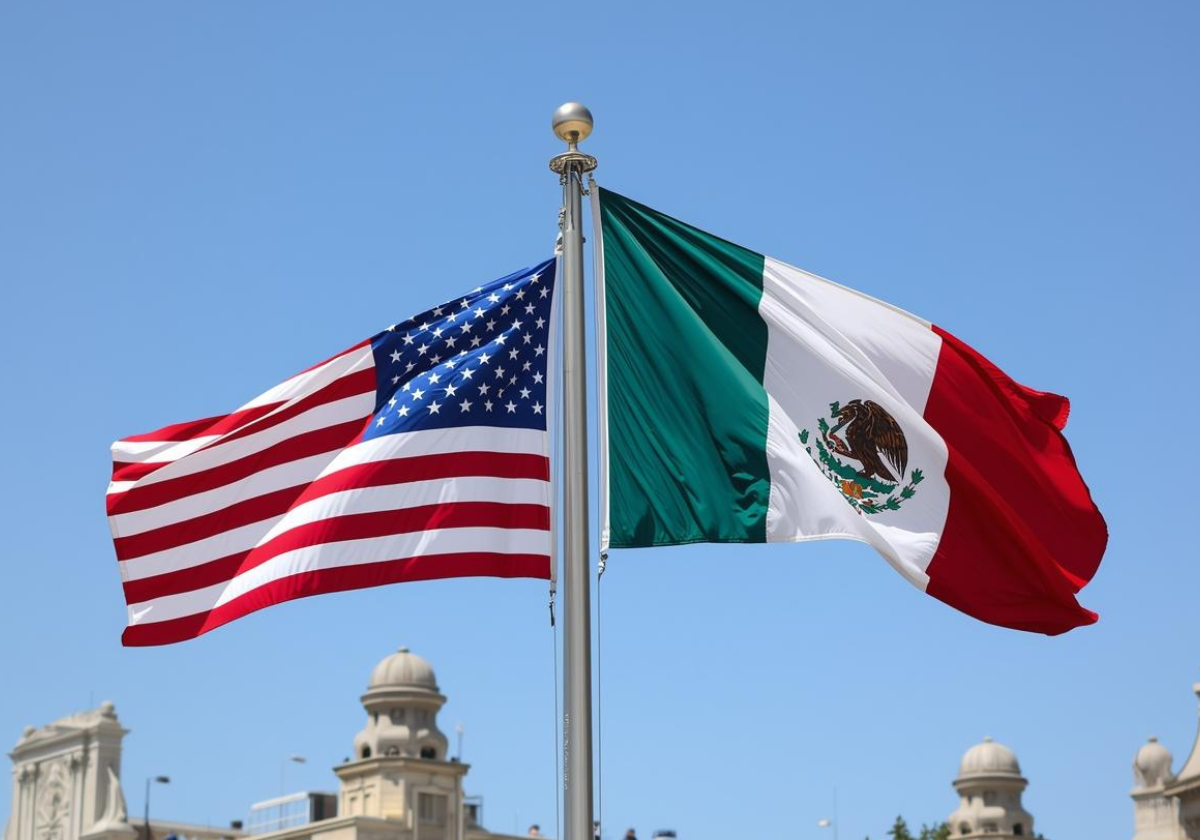
U.S.–Mexico Water Dispute Triggers New Tariff Threat
A long-running water dispute between the U.S. and Mexico is now spilling into trade policy, with the White House threatening new tariffs as leverage. The

A long-running water dispute between the U.S. and Mexico is now spilling into trade policy, with the White House threatening new tariffs as leverage. The

Siemens’ latest sustainability report lands at a moment when global manufacturing networks are reassessing how decarbonization, resource recovery, and supplier transparency shape long-range competitiveness. The
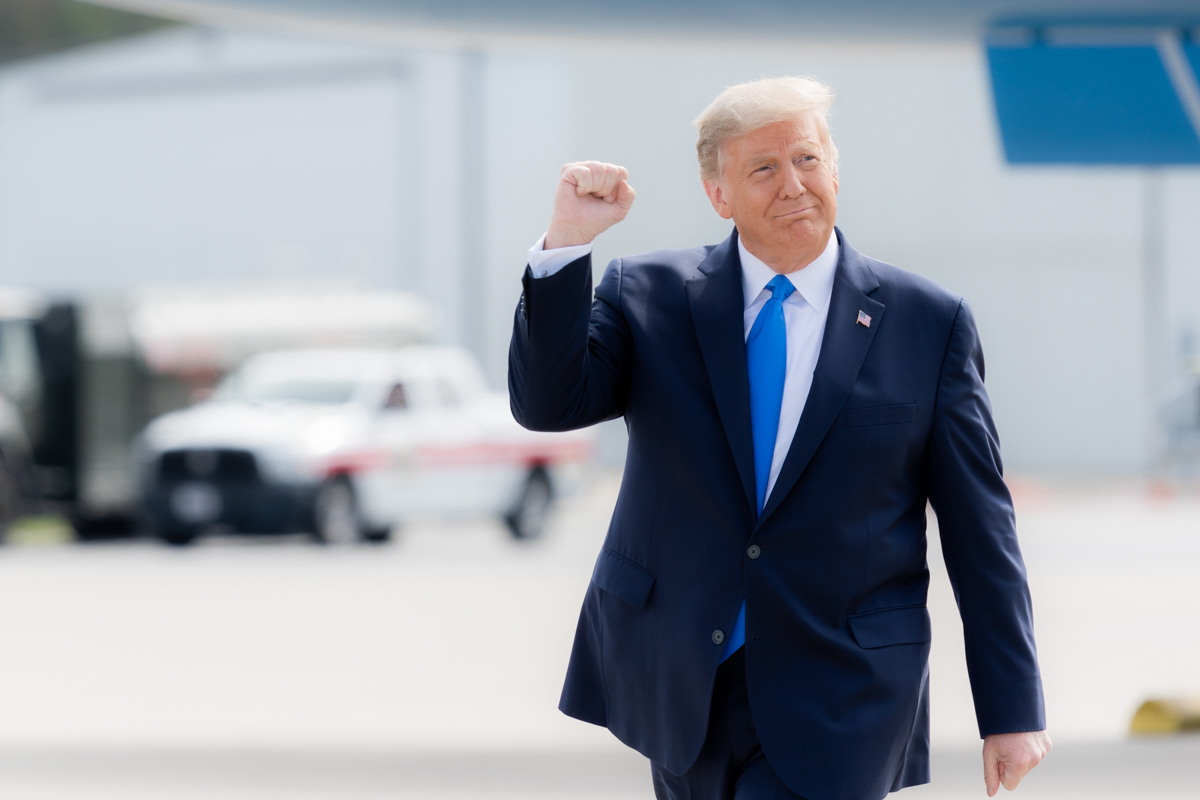
The White House is intensifying its focus on consolidation and pricing conduct across the U.S. food system, moving federal agencies toward a more coordinated enforcement
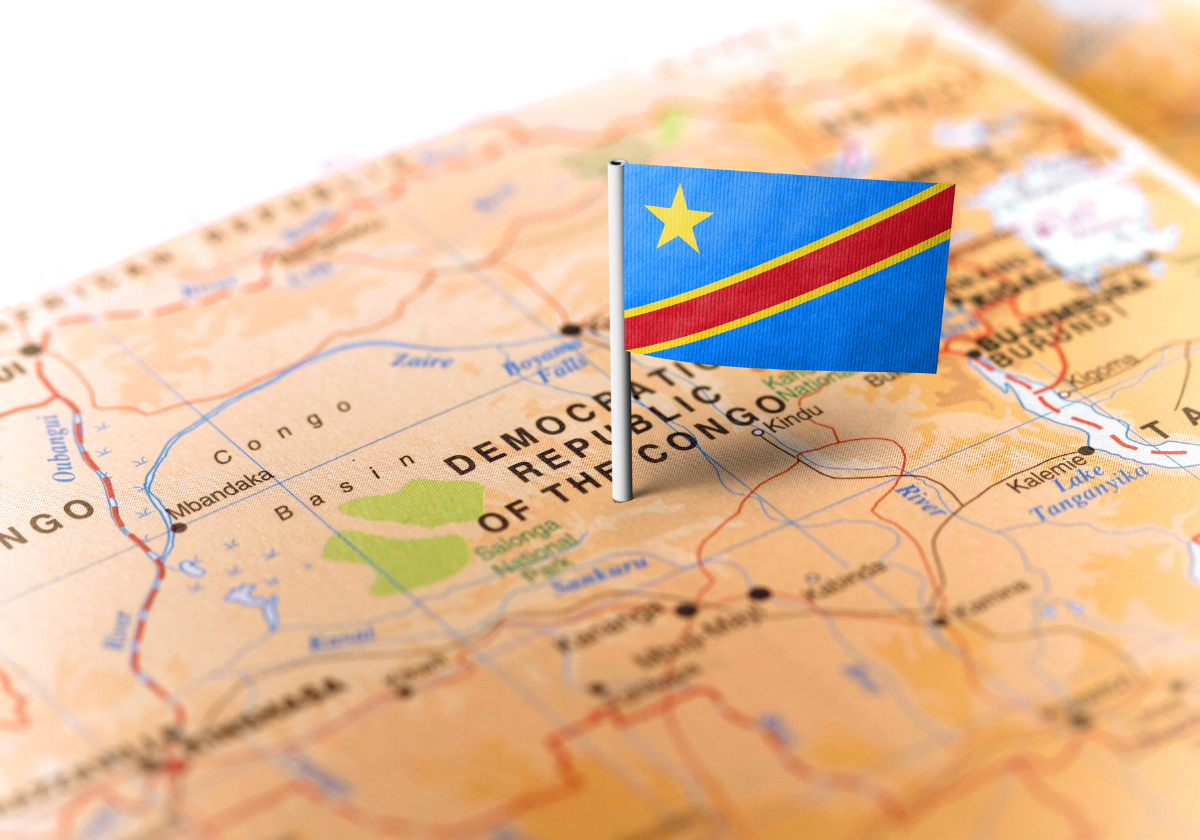
A new round of U.S. financing in central Africa signals a deeper push to reshape global mineral supply routes and reduce reliance on China’s processing
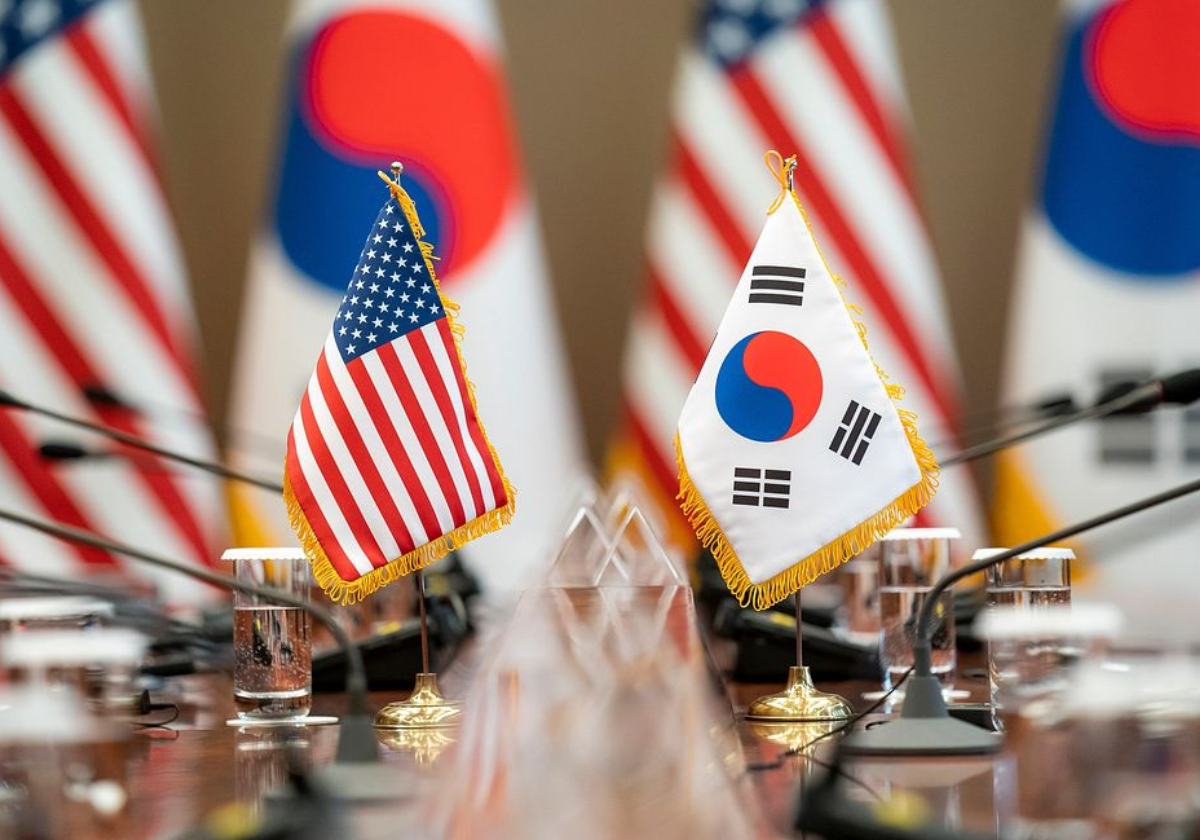
Washington and Seoul have finalized the operational details of their July trade pact, establishing a 15% ceiling on U.S. tariffs for Korean imports and outlining
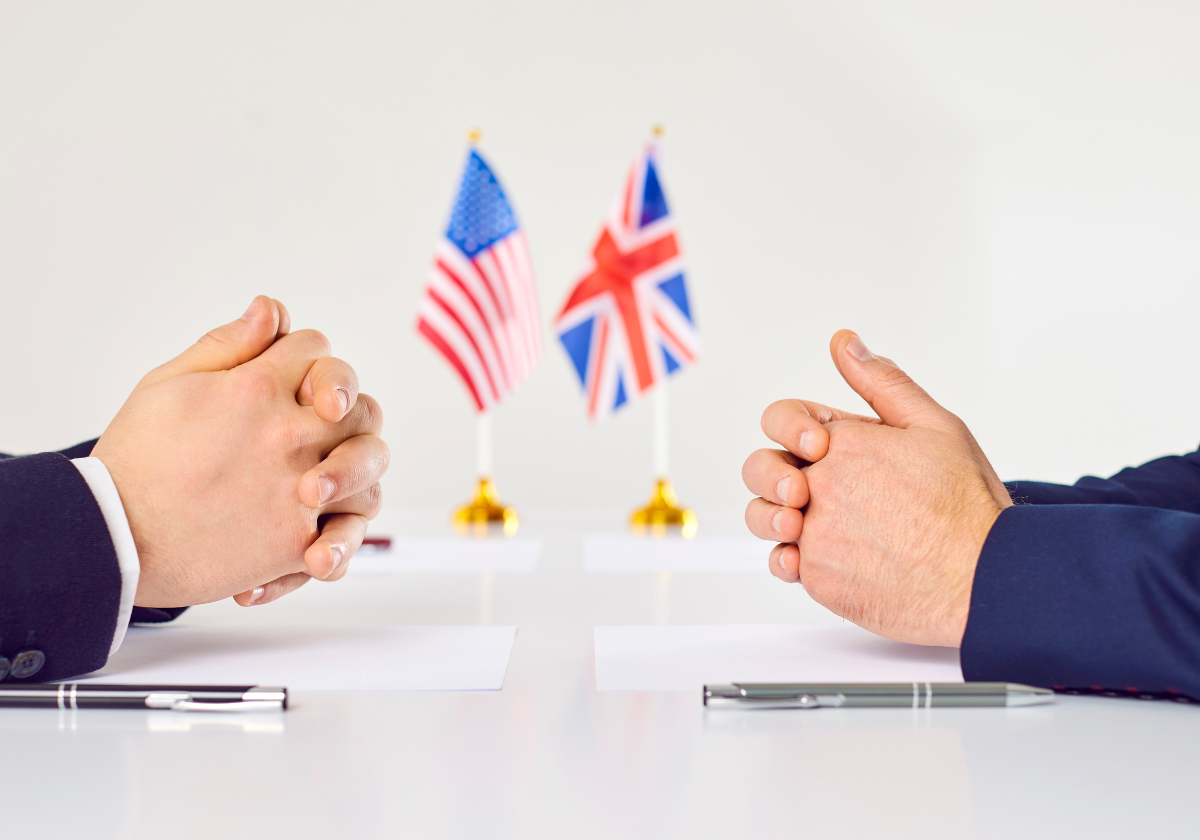
The Trump administration has agreed to lift U.S. tariffs on U.K. pharmaceutical products as part of a broader economic framework aimed at stabilizing transatlantic trade.

Six months into the latest tariff wave, investment is rising and the trade gap is tightening. But behind the early optimism, companies are confronting deeper

Shifting rules on sustainability reporting are creating uncertainty, but investors and regulators increasingly expect disclosures that can withstand audit-level scrutiny. Companies relying on modeled estimates

The European Union is accelerating its rollback of duty-free parcel rules, moving to end tax exemptions that have fueled a surge in direct-from-China e-commerce shipments.
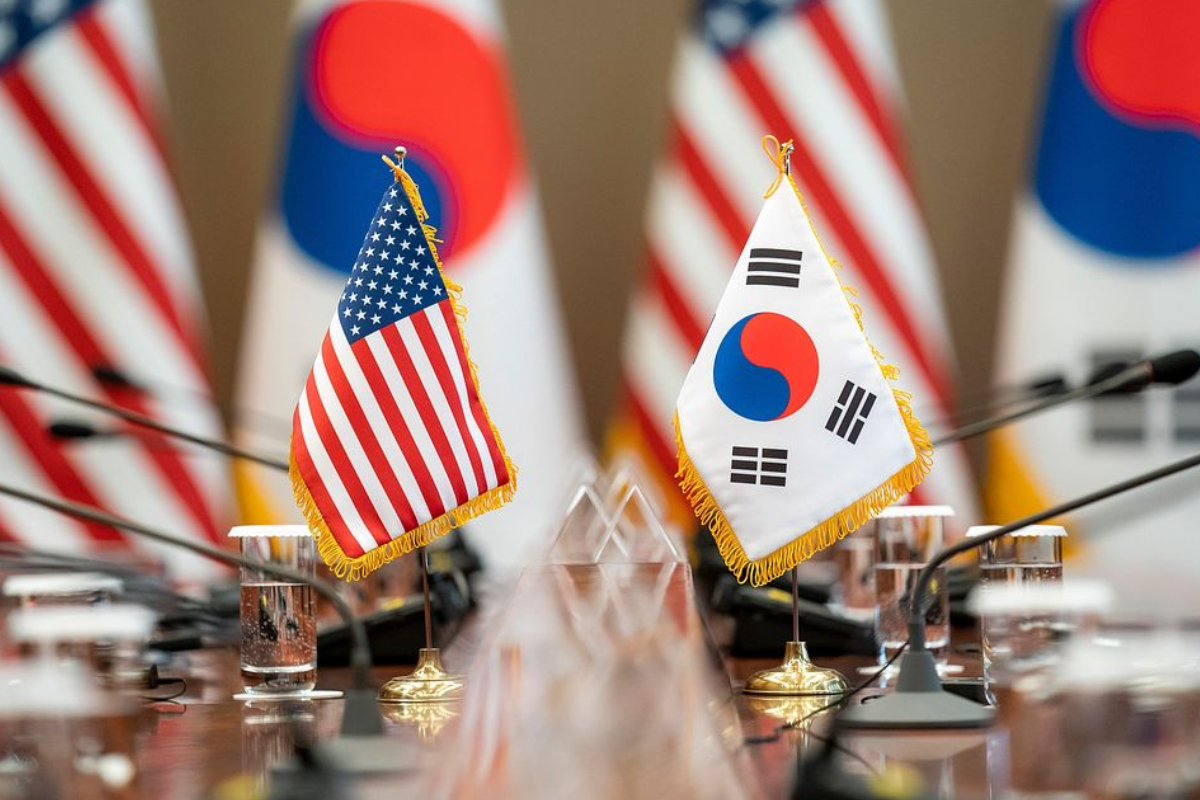
The United States has formally committed to limit tariffs on South Korean imports to 15%, according to a joint fact sheet released by the White
A long-running water dispute between the U.S. and Mexico is now spilling into trade policy, with the White House threatening new tariffs as leverage. The
Siemens’ latest sustainability report lands at a moment when global manufacturing networks are reassessing how decarbonization, resource recovery, and supplier transparency shape long-range competitiveness. The
The White House is intensifying its focus on consolidation and pricing conduct across the U.S. food system, moving federal agencies toward a more coordinated enforcement
A new round of U.S. financing in central Africa signals a deeper push to reshape global mineral supply routes and reduce reliance on China’s processing
Washington and Seoul have finalized the operational details of their July trade pact, establishing a 15% ceiling on U.S. tariffs for Korean imports and outlining
The Trump administration has agreed to lift U.S. tariffs on U.K. pharmaceutical products as part of a broader economic framework aimed at stabilizing transatlantic trade.
Six months into the latest tariff wave, investment is rising and the trade gap is tightening. But behind the early optimism, companies are confronting deeper
Shifting rules on sustainability reporting are creating uncertainty, but investors and regulators increasingly expect disclosures that can withstand audit-level scrutiny. Companies relying on modeled estimates
The European Union is accelerating its rollback of duty-free parcel rules, moving to end tax exemptions that have fueled a surge in direct-from-China e-commerce shipments.
The United States has formally committed to limit tariffs on South Korean imports to 15%, according to a joint fact sheet released by the White