A new round of U.S. financing in central Africa signals a deeper push to reshape global mineral supply routes and reduce reliance on China’s processing dominance. The planned investment targets both upstream copper-cobalt capacity and a strategic rail link that could alter long-standing trade flows across the region.
U.S. Expands Its Bid for Secure Mineral Supply Lines
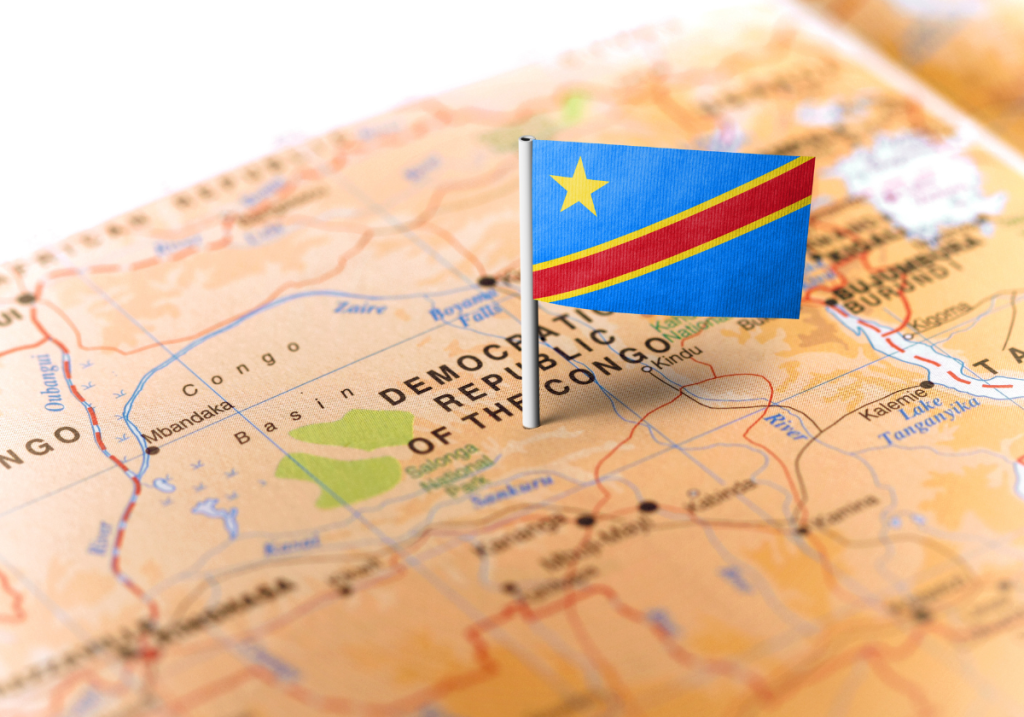
The United States has opened talks to provide more than $1 billion in support for two major projects in the Democratic Republic of Congo (DRC), part of a widening effort to secure reliable access to minerals used in defense, energy storage, and advanced electronics. The U.S. International Development Finance Corp. (DFC) plans to back a new copper and cobalt venture between Gecamines SA and Mercuria Energy Trading, as well as a rail rehabilitation program designed to shift Congolese exports toward Angola’s Atlantic coast.
In a statement, the DFC said the initiatives are intended to strengthen the resilience of mineral supply chains while increasing private-sector engagement in central Africa. Washington has accelerated its focus on upstream mineral access throughout 2025, building on a series of agreements with African governments as part of its strategy to diversify away from China’s dominant position in critical mineral processing.
According to trade reports, Chinese firms currently control the majority of global cobalt refining capacity and hold substantial stakes in Congolese copper and cobalt assets. The U.S. push into the region reflects a broader trend among Western governments seeking to bring more transparency, competition, and alternative routes into a market whose chokepoints have become strategically sensitive.
A Strategic Minerals Pact Redirects Congolese Exports
The DFC’s announcement follows the signing of a new U.S.–Congo infrastructure and minerals partnership on December 4. Under the agreement, Congo has committed to increasing westbound shipments of copper and cobalt along the Lobito Corridor, a railway route that has attracted heightened international attention as a potential alternative to export pathways running south into Zambia or east toward Tanzania.
Congo holds some of the world’s largest deposits of copper, cobalt, lithium, tantalum, and manganese, materials that are central to battery production and advanced manufacturing. The joint venture between Gecamines and Mercuria, announced on December 5, is expected to streamline trading operations for copper and cobalt, with Gecamines indicating that a prospective DFC investment would grant U.S. buyers a right of first refusal. According to the company, such access would help U.S. industries secure long-term supplies of minerals that underpin both economic growth and technological competitiveness.
As part of the new partnership, the DFC has proposed up to $1 billion in financing to Portugal’s Mota-Engil for the rehabilitation, operation, and eventual transfer of the Dilolo–Sakania railway line. Once upgraded, the line would feed directly into the Lobito Corridor, which has been the focus of growing interest from European and U.S. investors aiming to reduce shipment transit times and diversify logistics options for the region’s mineral exports.
Why Corridor Governance Will Shape Supply Security
One element attracting increased attention from policymakers and manufacturers is how these emerging rail and port routes will be governed. According to trade and development reports, long-term reliability in mineral supply often depends on operational standards, maintenance regimes, customs efficiency, dispute resolution, and data transparency, rather than on capacity alone. As more countries and investors participate in the Lobito Corridor, differences in how these rules are set and enforced could influence everything from shipment variability to the viability of co-locating processing facilities along the route. For industries dependent on steady flows of copper and cobalt, the structure of this governance, and who participates in it, may ultimately determine how resilient these supply lines become.