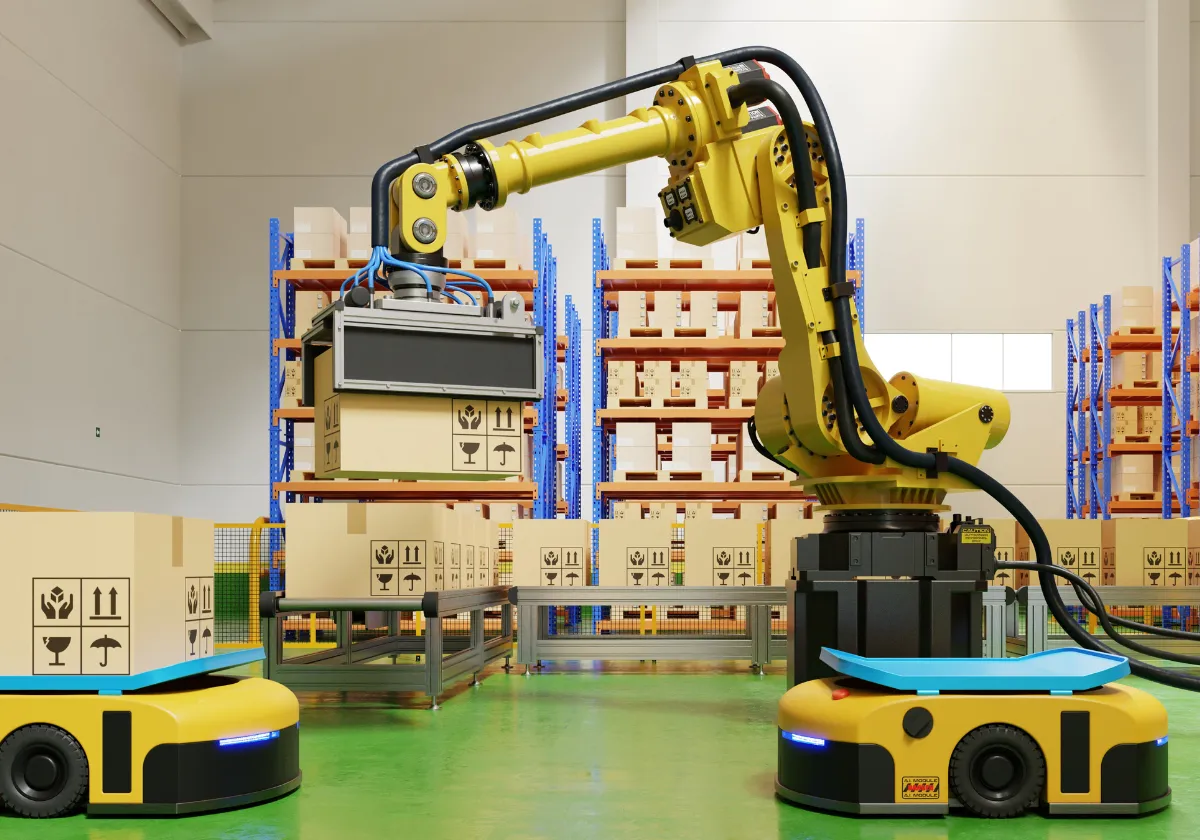
Warehouse Robotics ROI Depends on One Overlooked Layer
Warehouse robotics is spreading well beyond mega fulfillment centers as modular mobile fleets and AI-driven orchestration software make automation viable for a wider range of

Warehouse robotics is spreading well beyond mega fulfillment centers as modular mobile fleets and AI-driven orchestration software make automation viable for a wider range of

Target is tightening a store-led operating model that pushes more fulfillment through physical sites while holding inventory risk upstream and chasing demand late. In Brief
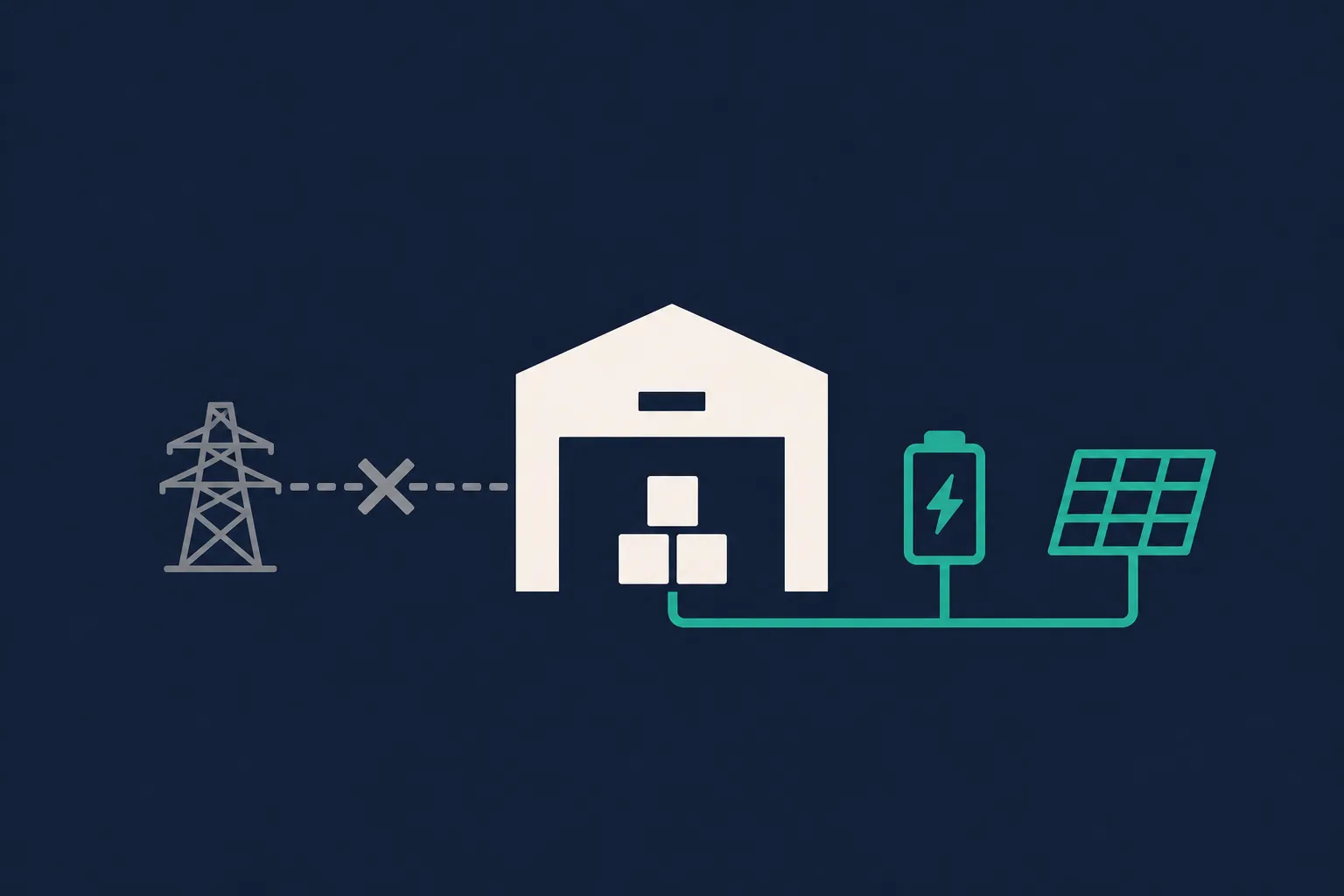
Warehouse microgrid energy resilience has become a design decision as grid instability rises and automated facilities depend on uninterrupted power. On site generation and battery

MakeMyTrip is using an AI-first operating model to manage volatile, multi-modal demand at national scale while holding margins and cash discipline. In Brief The Strategic

Cisco is using a silicon-first strategy to lock in AI hardware supply, reshaping sourcing, inventory and capacity decisions across its global network. In Brief The

Supply chain organizations leaning on AI to cover entry-level gaps risk a sharp rise in talent costs and capability shortfalls by 2030. New Gartner analysis
Yum Brands is reshaping store economics and deployment by fusing AI, prefabricated builds, and a unified tech stack into its global supply model. In Brief

AI-powered warehouse drones are gaining attention as logistics networks search for new ways to cut emissions tied to inventory waste, equipment use, and labor-intensive warehouse

Under Armour has used a 25% SKU reduction to reset how its supply chain plans, allocates and monetises volume under sustained cost pressure. In Brief

Coca-Cola is tuning its global network to absorb inflationary input shocks through localised execution, refillable formats and tight revenue management, while protecting volume growth. In
Warehouse robotics is spreading well beyond mega fulfillment centers as modular mobile fleets and AI-driven orchestration software make automation viable for a wider range of
Target is tightening a store-led operating model that pushes more fulfillment through physical sites while holding inventory risk upstream and chasing demand late. In Brief
Warehouse microgrid energy resilience has become a design decision as grid instability rises and automated facilities depend on uninterrupted power. On site generation and battery
MakeMyTrip is using an AI-first operating model to manage volatile, multi-modal demand at national scale while holding margins and cash discipline. In Brief The Strategic
Cisco is using a silicon-first strategy to lock in AI hardware supply, reshaping sourcing, inventory and capacity decisions across its global network. In Brief The
Supply chain organizations leaning on AI to cover entry-level gaps risk a sharp rise in talent costs and capability shortfalls by 2030. New Gartner analysis
Yum Brands is reshaping store economics and deployment by fusing AI, prefabricated builds, and a unified tech stack into its global supply model. In Brief
AI-powered warehouse drones are gaining attention as logistics networks search for new ways to cut emissions tied to inventory waste, equipment use, and labor-intensive warehouse
Under Armour has used a 25% SKU reduction to reset how its supply chain plans, allocates and monetises volume under sustained cost pressure. In Brief
Coca-Cola is tuning its global network to absorb inflationary input shocks through localised execution, refillable formats and tight revenue management, while protecting volume growth. In