Hormuz Disruption Reshapes 2026 Container Contracts
The confrontation involving the U.S., Israel, and Iran is sending shockwaves through global ocean logistics, forcing carriers and shippers to rethink route planning, pricing structures,

The confrontation involving the U.S., Israel, and Iran is sending shockwaves through global ocean logistics, forcing carriers and shippers to rethink route planning, pricing structures,
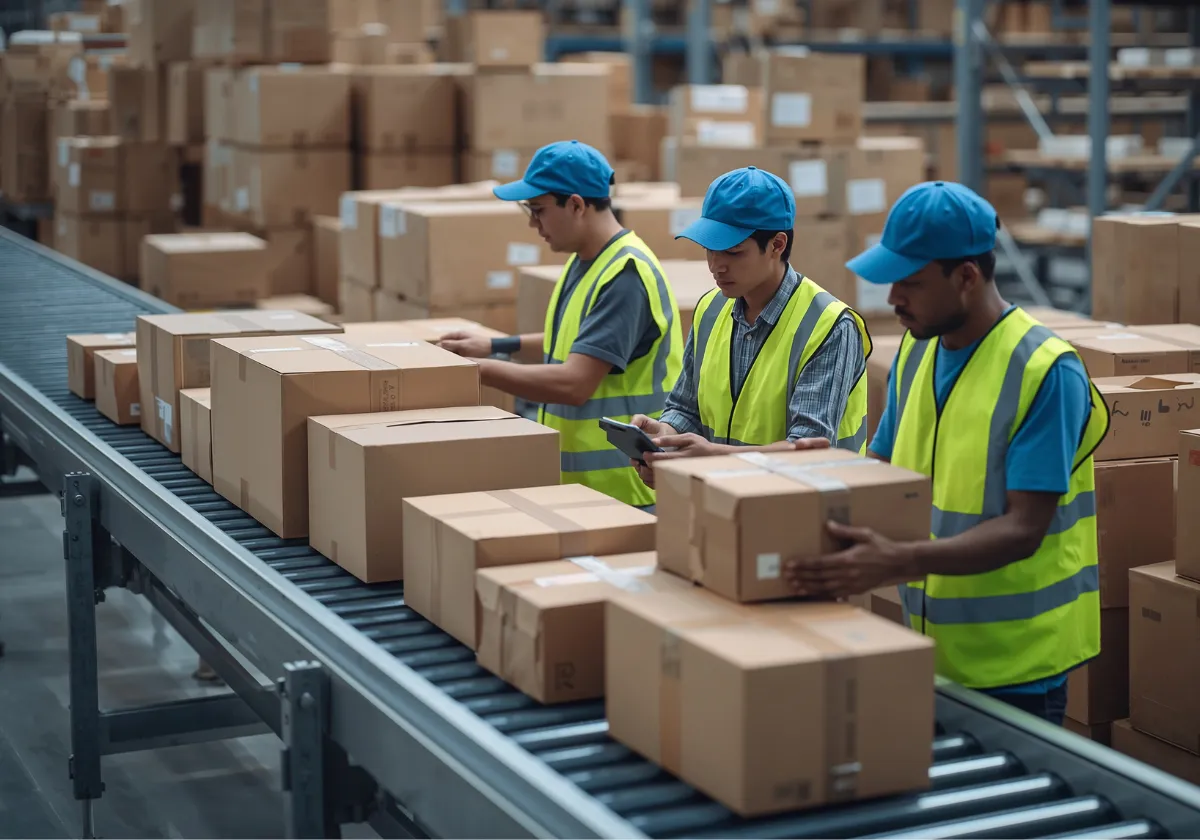
Factory floor inventory tracking has emerged as a blind spot in many visibility programs, even at highly automated sites. As layouts evolve and assets move

A new Lucas Systems study on warehouse systems disruptions reports that 77% of U.S. executives say at least half of their automation is too rigid

New data shows that even as logistics technology budgets expand, organizations struggle to connect those investments to a structured, forward-looking supply chain strategy. JBF Consulting’s
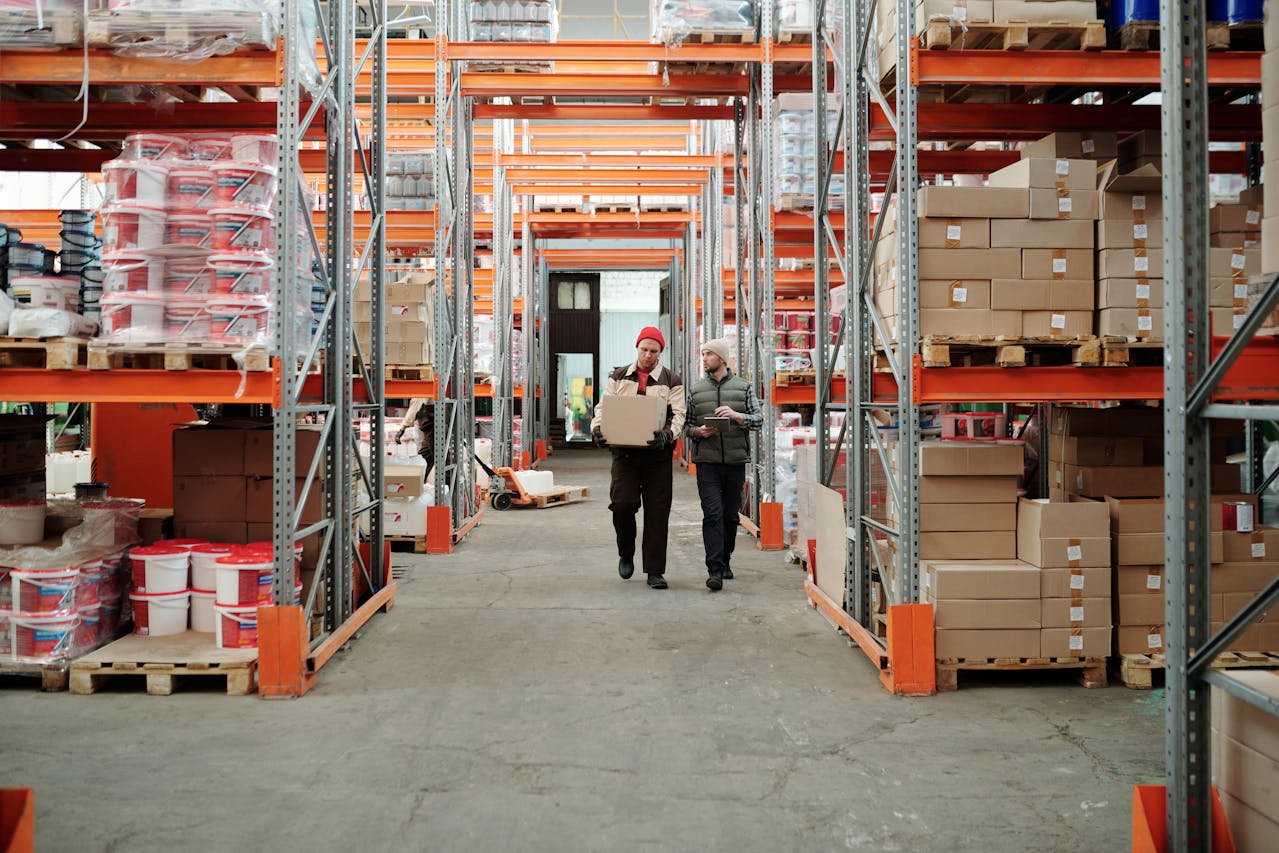
Adaptable warehouse automation is emerging as a critical buffer against rising disruption costs, but many facilities remain locked into rigid, hard‑wired systems that cannot flex

DHL Global Forwarding has launched its GoGreen Plus portfolio to hardwire lower-emission options into air and ocean freight, using sustainable fuels and fixed-rate structures to
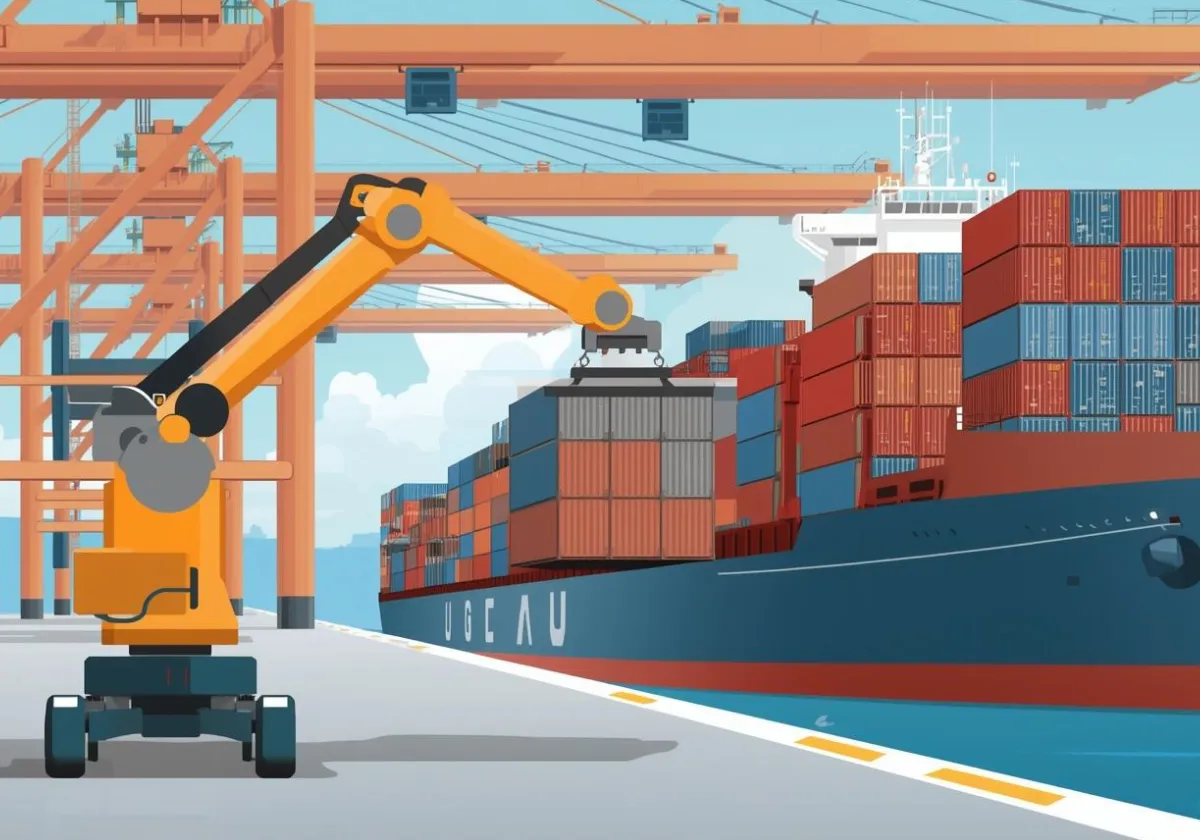
Container loading has long been one of the least efficient links in the logistics chain. Large crews, forklifts, and manual sequencing at the dock extend

As e-commerce volumes climb and last-mile costs bite, large retailers are rebuilding around store-first, AI-enabled fulfilment networks that turn existing footprints into active digital infrastructure.

Rising volatility in demand, tariffs and channels is forcing operators to hard-wire AI and data into how inventory is planned, routed and repriced across sprawling

Rising volume, faster delivery promises and thin margins are pushing large retailers toward a new warehouse and checkout model built on automated upstream nodes and
The confrontation involving the U.S., Israel, and Iran is sending shockwaves through global ocean logistics, forcing carriers and shippers to rethink route planning, pricing structures,
Factory floor inventory tracking has emerged as a blind spot in many visibility programs, even at highly automated sites. As layouts evolve and assets move
A new Lucas Systems study on warehouse systems disruptions reports that 77% of U.S. executives say at least half of their automation is too rigid
New data shows that even as logistics technology budgets expand, organizations struggle to connect those investments to a structured, forward-looking supply chain strategy. JBF Consulting’s
Adaptable warehouse automation is emerging as a critical buffer against rising disruption costs, but many facilities remain locked into rigid, hard‑wired systems that cannot flex
DHL Global Forwarding has launched its GoGreen Plus portfolio to hardwire lower-emission options into air and ocean freight, using sustainable fuels and fixed-rate structures to
Container loading has long been one of the least efficient links in the logistics chain. Large crews, forklifts, and manual sequencing at the dock extend
As e-commerce volumes climb and last-mile costs bite, large retailers are rebuilding around store-first, AI-enabled fulfilment networks that turn existing footprints into active digital infrastructure.
Rising volatility in demand, tariffs and channels is forcing operators to hard-wire AI and data into how inventory is planned, routed and repriced across sprawling
Rising volume, faster delivery promises and thin margins are pushing large retailers toward a new warehouse and checkout model built on automated upstream nodes and