Managing a modern retail supply chain now demands more than efficient logistics, it requires predictive intelligence, synchronized planning, and real-time responsiveness. As retailers navigate fluctuating demand and fragmented supplier bases, the edge increasingly lies in data-driven orchestration rather than cost-driven optimization.
Predictive Planning Redefines Retail Supply Chain Efficiency
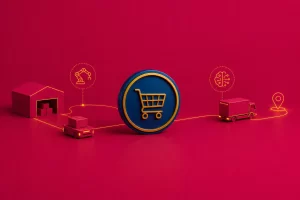
The retail supply chain has evolved from a linear flow of goods into a dynamic network of data and decisions. Retailers today must forecast not just what consumers will buy, but how, where, and when they’ll buy it. Advanced analytics and AI-driven demand sensing are replacing static forecasts, allowing companies like Walmart and Zara to adjust replenishment cycles within hours instead of weeks. This level of precision minimizes stockouts, curbs excess inventory, and aligns distribution with real-time market signals.
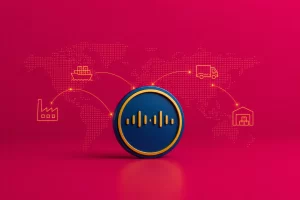
Automation and digital visibility have become equally critical. Cloud-based supply chain control towers give retailers end-to-end visibility—from supplier shipments to store shelves—enabling faster exception management and risk mitigation. According to Gartner, more than 60% of global retailers are now investing in integrated data ecosystems to improve planning accuracy and reduce logistics costs.
From Inventory Control to Ecosystem Collaboration
Traditional inventory management once focused on internal efficiency, but the modern retail supply chain extends beyond the enterprise boundary. Retailers are collaborating directly with suppliers, logistics providers, and even customers through shared platforms that enhance transparency and agility.
Omnichannel fulfillment has further blurred the lines between distribution and customer experience. Retailers like Target and Decathlon now operate hybrid logistics models that merge online and in-store inventories to fulfill orders faster and reduce last-mile costs. Meanwhile, sustainability pressures are reshaping sourcing and packaging decisions, prompting new supplier engagement strategies and reverse logistics programs for product returns and recycling.
Data as the New Retail Differentiator
The next phase of retail supply chain strategy will hinge on how effectively companies turn operational data into predictive foresight. The retailers that integrate digital twins, AI-driven forecasting, and carbon intelligence into everyday planning will not only manage volatility—they’ll monetize it. By treating the supply chain as a living system rather than a cost center, they can anticipate shifts before they happen and convert uncertainty into competitive advantage.