Intelligent Execution Redefines Supply Chain Metrics
Intelligent supply chain execution brings orders, inventory and transport onto a single decision canvas, turning dispersed data into coordinated action under stress. As disruption, labor

Intelligent supply chain execution brings orders, inventory and transport onto a single decision canvas, turning dispersed data into coordinated action under stress. As disruption, labor

AI in the supply chain is redrawing where things break, transferring pressure from analytics teams to the integrity of data, clarity of decision rights, and

For much of the past three decades, manufacturing strategy followed a familiar pattern. Companies outsourced production, reduced fixed assets and built increasingly global supply networks designed to maximise efficiency. Owning fewer
Artificial intelligence is now central to many supply chain transformation programmes. Organisations are using it to improve forecasting, automate planning, identify operational risks and support faster decisions. Yet many initiatives remain confined to individual

For years, supply chain resilience was often treated as an insurance policy. Organisations invested in contingency plans, documented recovery procedures, and hoped they would never need them.
Why the next competitive advantage is redesigning decisions, not just automating tasks The conversation around autonomous supply chains is often dominated by technology. Artificial intelligence,
Every global supply chain becomes more complicated as it grows. More products. More suppliers. More markets. More manufacturing partners. More customer expectations. The instinctive response
The world’s leading supply chains are no longer built on faster execution alone. Increasingly, they are built on better decisions before execution begins. NVIDIA is
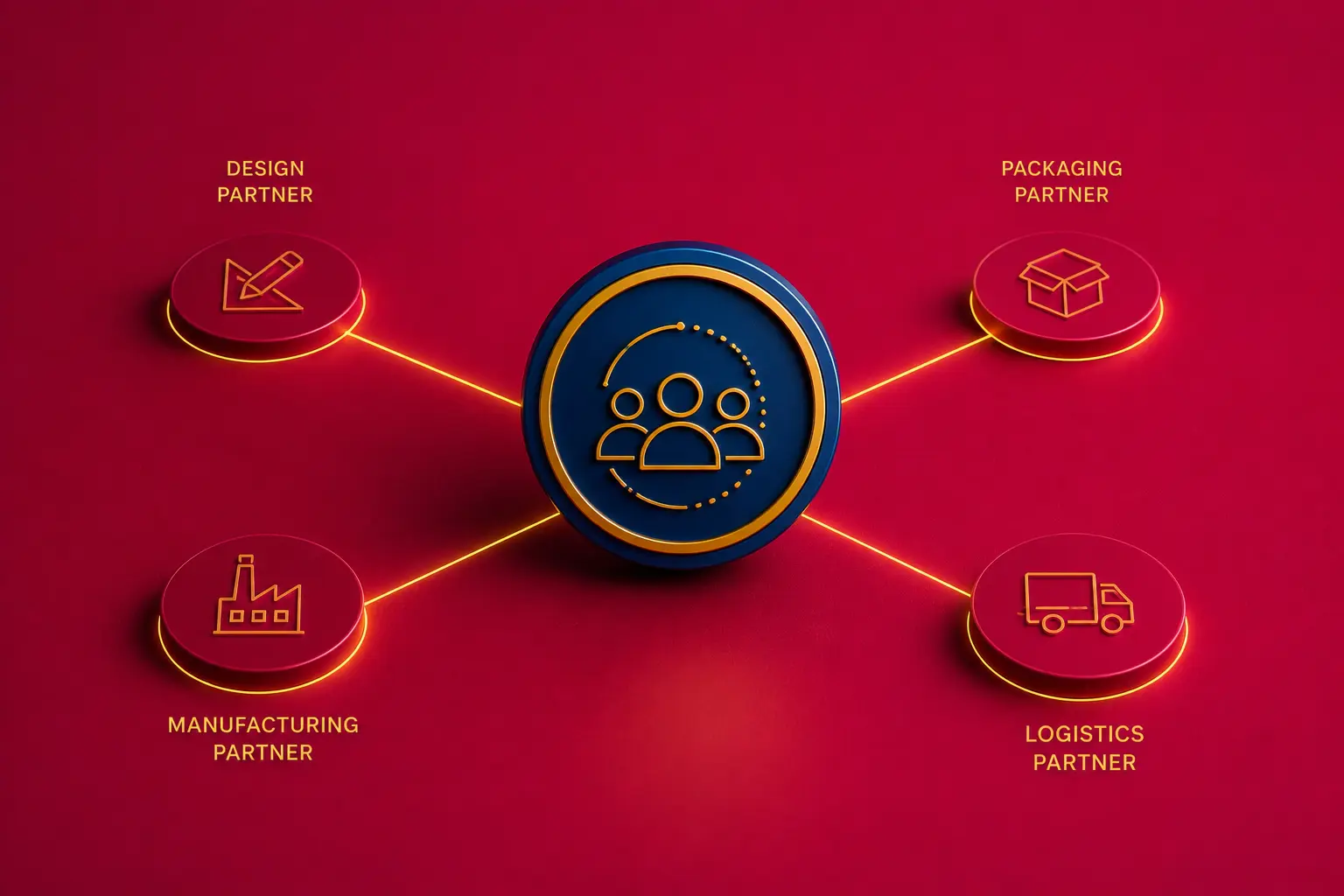
Owning more assets has traditionally been seen as the path to greater supply chain control. NVIDIA has taken a different approach. By building an ecosystem
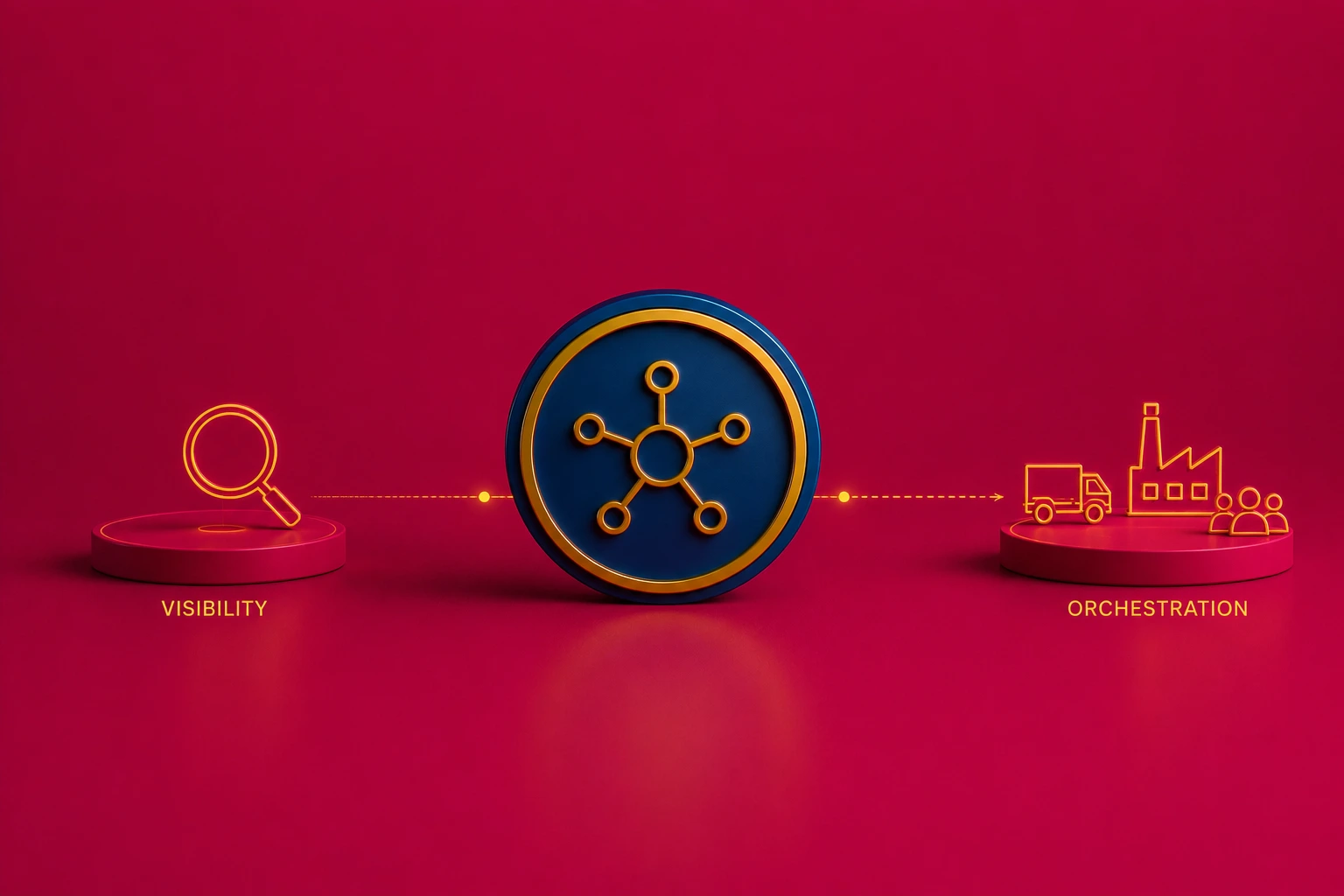
Why the next competitive advantage is not seeing more, but deciding faster For years, supply chain transformation focused on one objective – improving visibility. Organizations invested heavily
Intelligent supply chain execution brings orders, inventory and transport onto a single decision canvas, turning dispersed data into coordinated action under stress. As disruption, labor
AI in the supply chain is redrawing where things break, transferring pressure from analytics teams to the integrity of data, clarity of decision rights, and
For much of the past three decades, manufacturing strategy followed a familiar pattern. Companies outsourced production, reduced fixed assets and built increasingly global supply networks designed to maximise efficiency. Owning fewer
Artificial intelligence is now central to many supply chain transformation programmes. Organisations are using it to improve forecasting, automate planning, identify operational risks and support faster decisions. Yet many initiatives remain confined to individual
For years, supply chain resilience was often treated as an insurance policy. Organisations invested in contingency plans, documented recovery procedures, and hoped they would never need them.
Why the next competitive advantage is redesigning decisions, not just automating tasks The conversation around autonomous supply chains is often dominated by technology. Artificial intelligence,
Every global supply chain becomes more complicated as it grows. More products. More suppliers. More markets. More manufacturing partners. More customer expectations. The instinctive response
The world’s leading supply chains are no longer built on faster execution alone. Increasingly, they are built on better decisions before execution begins. NVIDIA is
Owning more assets has traditionally been seen as the path to greater supply chain control. NVIDIA has taken a different approach. By building an ecosystem
Why the next competitive advantage is not seeing more, but deciding faster For years, supply chain transformation focused on one objective – improving visibility. Organizations invested heavily