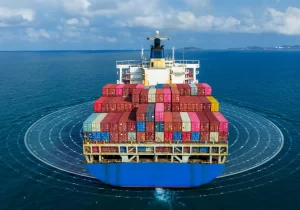
Rising freight rates, volatile demand, labor shortages, and increasing customer expectations continue to reshape logistics operations. Organizations that consistently reduce logistics costs are no longer relying on isolated cost-cutting initiatives. Instead, they are redesigning transportation networks, improving inventory decisions, strengthening operational visibility, and using data to eliminate waste before it becomes expensive. This article explores what logistics cost optimization really means in 2026, where organizations are still losing money, and the practical strategies that create sustainable savings without sacrificing service.
Executive Summary
Logistics has shifted from being a back-office operational function to a major contributor to profitability, customer satisfaction, and supply chain resilience. While many organizations have invested in transportation management systems, warehouse automation, and analytics platforms, logistics costs continue to rise because inefficiencies often exist across the entire network rather than within a single function.
Successful logistics cost optimization focuses on improving decisions across transportation, warehousing, inventory, planning, procurement, and returns. The organizations achieving the strongest results are balancing cost reduction with service reliability instead of treating them as competing priorities.
Why Logistics Costs Continue to Rise Despite Better Technology
Many organizations have invested heavily in digital transformation over the past several years. Transportation Management Systems (TMS), Warehouse Management Systems (WMS), control towers, predictive analytics, and AI have improved operational visibility considerably. Yet logistics spending continues to increase.
The reason is straightforward. Technology exposes problems, but it does not automatically solve them. Many logistics networks still operate with fragmented planning processes, inconsistent carrier strategies, poor demand visibility, and disconnected warehouse operations. As a result, expensive operational decisions continue to happen every day.
Examples include:
- Emergency shipments replacing proper inventory planning
- Trucks leaving distribution centers partially loaded
- Excessive warehouse handling caused by poor slotting decisions
- Multiple carriers serving overlapping delivery routes
- Inventory positioned in locations that no longer match customer demand
These inefficiencies often cost far more than fluctuations in fuel prices or transportation rates. Organizations that consistently reduce logistics costs focus first on improving operational discipline before investing in additional technology.
What Is Logistics Cost Optimization?
At its core, logistics cost optimization is the continuous process of reducing the total cost of moving, storing, and delivering products while maintaining or improving customer service. This goes well beyond negotiating lower freight rates.
An effective optimization strategy considers:
- Transportation costs
- Warehouse operating costs
- Packaging costs
- Labor productivity
- Returns processing
- Service performance
- Network utilization
The objective is not to minimize one individual cost category. Instead, organizations optimize the overall cost to serve each customer, channel, and product. This distinction matters because reducing one expense frequently increases another.
For example, reducing inventory may improve working capital while simultaneously increasing expedited freight costs. Likewise, consolidating warehouses may lower facility expenses but increase transportation miles and delivery times. The strongest logistics organizations evaluate decisions across the entire network instead of optimizing isolated functions.
The Biggest Logistics Cost Drivers Organizations Still Underestimate
Despite growing investment in supply chain analytics, several hidden cost drivers remain consistently underestimated.
Poor Network Design
Distribution networks that worked five years ago may no longer reflect current customer demand. New fulfillment channels, regional demand shifts, supplier changes, and evolving transportation infrastructure all affect logistics performance.
Without periodic supply chain network reviews, transportation distances gradually increase, warehouse workloads become uneven, and freight costs rise. Network optimization should become an ongoing planning capability rather than a one-time consulting exercise.
Limited Transportation Visibility
Many organizations still measure transportation performance using basic metrics such as on-time delivery or total freight spend. These metrics provide only part of the picture.
More useful indicators include:
- Empty miles
- Trailer utilization
- Cost per shipment by customer
- Cost per lane
- Mode conversion opportunities
- Carrier reliability by region
Organizations frequently discover that a small percentage of transportation lanes generate a disproportionate share of logistics costs. Improving those lanes often delivers greater savings than broad cost reduction initiatives.
Inventory Positioned in the Wrong Locations
Inventory optimization directly affects logistics spending. Holding excessive inventory near low-demand regions increases warehousing expenses without improving service. Conversely, insufficient inventory in high-demand markets leads to emergency replenishment, premium transportation, and customer service failures.
Rather than simply increasing or reducing inventory, leading organizations continuously reposition stock based on changing demand patterns and transportation economics. This is why supply chain planning and logistics optimization are becoming increasingly integrated rather than managed as separate disciplines.
Logistics Cost Optimization Strategies That Produce Lasting Results
Many organizations begin optimization initiatives by asking procurement teams to negotiate lower transportation rates. While carrier negotiations remain important, they rarely address the structural causes of logistics inefficiency.
The following logistics cost optimization strategies 2026 are producing stronger long-term outcomes because they improve operational performance rather than simply reducing supplier pricing.
Optimize Freight Consolidation
Partial truckloads significantly increase transportation costs. Improving shipment consolidation allows organizations to increase trailer utilization while reducing the number of shipments moving through the network. This requires better coordination between production planning, warehouse scheduling, and transportation planning.
The challenge is balancing freight efficiency against customer delivery expectations. Excessive consolidation can increase lead times, making governance rules essential.
Build Carrier Portfolios Instead of Lowest-Cost Contracts
Awarding freight solely to the cheapest carrier often creates hidden risks. Capacity shortages, inconsistent service levels, and limited flexibility during disruption frequently offset initial cost savings.
Leading organizations maintain balanced carrier portfolios that combine competitive pricing with operational resilience. Performance scorecards should evaluate carriers across cost, reliability, capacity availability, claims performance, and responsiveness rather than focusing exclusively on freight rates.
Improve Warehouse Flow Before Expanding Automation
Warehouse automation continues to receive significant investment. However, automation rarely compensates for inefficient warehouse processes. Before investing in robotics or automated picking systems, organizations should evaluate:
- Product slotting
- Picking routes
- Dock scheduling
- Labor allocation
- Receiving workflows
- Inventory accuracy
Operational improvements frequently generate meaningful productivity gains without major capital expenditure.
Reduce Premium Freight Through Better Planning
Premium freight often represents one of the largest avoidable logistics expenses. Most expedited shipments originate from upstream planning failures rather than transportation problems. Common causes include:
- Forecast inaccuracies
- Supplier delays
- Production schedule changes
- Poor inventory visibility
- Last-minute customer order modifications
Organizations that monitor exception trends instead of individual incidents typically achieve larger reductions in premium freight spending. Rather than treating expedited transportation as a logistics issue, they investigate the upstream planning decisions that triggered the exception.
Measure Cost to Serve Instead of Total Logistics Spend
Two customers generating identical revenue may require very different logistics resources. One may receive full truckload deliveries on predictable schedules. Another may require small shipments, urgent replenishment, specialized handling, and frequent returns.
Without cost-to-serve analysis, organizations often optimize overall logistics budgets while unknowingly losing profitability on individual customer segments. Cost-to-serve analytics help identify where operational complexity exceeds commercial value, creating opportunities to redesign service models rather than simply reducing spending.
How AI Is Reshaping Logistics Cost Optimization
The conversation around the AI impact on logistics cost optimization has moved beyond automation. The real value of AI lies in improving operational decisions before costs escalate. Traditional optimization models rely on historical data and predefined business rules. AI extends this by identifying patterns across transportation, inventory, weather, supplier performance, demand fluctuations, and warehouse operations in near real time.
For example, AI can recommend alternative transport routes when congestion is likely to increase delivery costs, predict inventory shortages before they trigger expedited shipments, or identify carriers whose performance consistently deteriorates during peak periods. That said, AI is not a substitute for strong operational governance.
Organizations frequently overestimate what AI can achieve while underestimating the importance of clean master data, standardized processes, and clearly defined decision ownership. If shipment data, inventory records, or transportation costs are inaccurate, AI will simply generate faster recommendations based on flawed inputs.
The organizations seeing measurable savings are using AI selectively in areas where decisions are repetitive, data rich, and time sensitive. Typical applications include:
- Dynamic route optimization
- Demand sensing for inventory positioning
- Predictive maintenance for fleet operations
- Automated carrier selection
- Warehouse labor planning
- Exception prioritization within logistics control towers
The objective is not to replace planners. It is to allow planners to spend less time reacting to routine issues and more time managing strategic exceptions.
Reverse Logistics Is Becoming a Major Cost Opportunity
Returns are no longer viewed solely as a customer service function. They represent one of the fastest growing logistics cost categories across many industries. An effective reverse logistics cost optimization strategy focuses on reducing the total cost of processing returned products while recovering as much product value as possible.
Many organizations still treat reverse logistics as an isolated activity. Products are returned, inspected, and stored with limited visibility into why returns occurred or how quickly inventory can be recovered.
This approach creates unnecessary transportation costs, warehouse congestion, inventory write-offs, and longer cash conversion cycles. Leading organizations now measure reverse logistics using metrics such as:
- Return transportation cost
- Product recovery rate
- Time to disposition
- Refurbishment cost
- Inventory recovery value
- Return cycle time
Recent industry research also shows that product design increasingly influences reverse logistics costs. Products that are easier to inspect, refurbish, or disassemble often reduce downstream logistics expenses while supporting sustainability goals.
This highlights an important shift. Reverse logistics optimization is no longer owned by logistics alone. It increasingly requires collaboration across product development, operations, customer service, and supply chain planning.
Cold Chain Logistics Requires Precision Rather Than Cost Cutting
Among all logistics operations, temperature controlled supply chains present some of the most difficult optimization challenges. Simply reducing transportation or storage costs can introduce significant quality and compliance risks.
Effective cold chain logistics cost optimization therefore focuses on eliminating waste without compromising product integrity. Several practical opportunities consistently deliver measurable savings:
- Improving shipment consolidation while maintaining temperature requirements
- Reducing dwell time at distribution centers
- Monitoring equipment performance proactively
- Optimizing packaging based on journey duration
- Using predictive analytics to identify temperature deviation risks before products are compromised
Another overlooked opportunity involves inventory positioning. Placing cold chain inventory closer to demand can reduce transportation time, minimize spoilage risk, and improve product availability. However, increasing the number of storage locations also raises operating costs.
The right balance depends on product shelf life, transportation reliability, regulatory requirements, and demand variability rather than a single cost metric.
Common Logistics Cost Optimization Mistakes
Organizations often launch cost reduction initiatives with ambitious savings targets but fail to achieve lasting improvements because they focus on symptoms rather than structural inefficiencies. Several recurring mistakes continue to limit results.
Treating Procurement as the Primary Cost Lever
Negotiating lower freight rates can generate short term savings, but transportation pricing usually reflects operational complexity. If shipment volumes fluctuate significantly, loading times are inconsistent, or delivery schedules change frequently, carriers will eventually recover those costs through higher pricing or reduced service levels.
The greater opportunity often lies in making operations easier for logistics partners rather than simply negotiating harder.
Measuring Individual Functions Instead of End to End Performance
Warehouse teams may reduce labor costs while transportation expenses increase. Inventory reductions may improve working capital while premium freight rises. These outcomes are common when each function optimizes its own metrics independently.
Organizations that consistently reduce logistics costs establish shared performance measures across transportation, warehousing, planning, procurement, and customer service.
Assuming Technology Alone Will Deliver Savings
Technology enables optimization, but it rarely creates it. Control towers, AI platforms, digital twins, and advanced analytics generate the greatest value when supported by disciplined operating routines, reliable data, and clear accountability.
Without these foundations, organizations risk creating expensive digital reporting systems that identify problems without accelerating decisions.
The Metrics That Actually Matter
Many logistics scorecards remain heavily focused on transportation spend and on time delivery. While these measures remain important, they provide an incomplete view of network performance.
Organizations pursuing advanced logistics cost optimization increasingly monitor metrics such as:
- Cost to serve by customer and channel
- Freight cost per unit shipped
- Trailer utilization
- Warehouse productivity per labor hour
- Inventory days of supply
- Premium freight percentage
- Perfect order rate
- Return recovery value
- Order cycle time
- Carbon emissions per shipment
Monitoring these indicators together provides greater visibility into the trade offs between cost, service, resilience, and sustainability. More importantly, they help organizations identify where operational improvements create the greatest financial impact rather than pursuing broad cost reduction targets.
The Next Competitive Advantage Will Come From Better Decisions, Not Lower Costs
Many discussions around logistics cost optimization still begin with reducing transportation spend or negotiating lower rates. In practice, the organizations creating lasting competitive advantage are approaching the challenge differently.
They recognize that every logistics decision carries multiple consequences across inventory, customer service, resilience, and working capital. Rather than asking, “How do we reduce logistics costs?” they increasingly ask, “How do we make better operational decisions every day?”
That subtle shift changes investment priorities. It encourages stronger planning disciplines, clearer governance, integrated data, and smarter use of AI instead of isolated technology deployments. As supply chains become more volatile, organizations that consistently improve decision quality will often outperform those focused solely on periodic cost reduction programs.
Frequently Asked Questions
- What is logistics cost optimization?
Logistics cost optimization is the process of reducing the total cost of transportation, warehousing, inventory, and fulfillment while maintaining or improving customer service and operational resilience.
- Which logistics costs are the easiest to reduce?
Organizations often achieve the quickest savings by improving trailer utilization, reducing premium freight, optimizing warehouse workflows, strengthening inventory positioning, and eliminating inefficient transportation lanes.
- How does AI improve logistics cost optimization?
AI improves logistics cost optimization by predicting disruptions, optimizing routes, improving inventory placement, automating carrier selection, forecasting demand, and prioritizing operational exceptions before they become expensive problems.
- Why is reverse logistics becoming more important?
Returns continue to increase across many industries, making reverse logistics a major contributor to transportation, warehousing, and inventory costs. Faster product recovery and better returns management improve both profitability and sustainability.
- What are the biggest logistics cost optimization strategies for 2026?
The most effective logistics cost optimization strategies 2026 include AI assisted planning, continuous network optimization, cost to serve analysis, carrier portfolio management, improved demand planning, warehouse productivity improvements, and integrated logistics control towers.