Automation, data intelligence, and global shifts are rewriting what it takes to succeed in supply chain management jobs. The field, once defined by process oversight and cost control, now demands fluency in analytics, technology adoption, and adaptive leadership.
Technology Redefines the Talent Mix
Supply chain management jobs are increasingly shaped by digital tools that cut across planning, logistics, procurement, and risk management. Cloud-based platforms, AI-driven forecasting, and digital twins are no longer niche investments, they are becoming table stakes for competitive operations. That shift is altering the skills companies value most. A recent World Economic Forum report found that nearly half of all supply chain professionals will need reskilling in the next five years as digital proficiency outweighs traditional process knowledge. Employers are now hiring for data modeling, systems integration, and scenario simulation alongside conventional procurement or inventory experience.
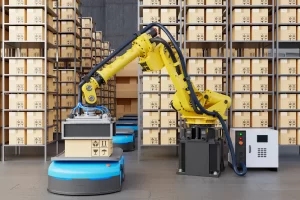
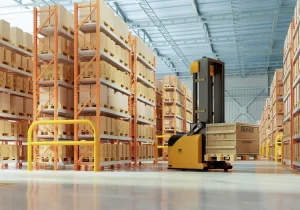
This evolution is especially visible in transportation and logistics. With automation streamlining order management and AI optimizing routing, companies are seeking candidates who can translate system outputs into operational decisions. The rise of collaborative robots in warehouses adds another layer, requiring managers who can coordinate human and machine workflows seamlessly. As the digital toolset expands, supply chain management jobs are becoming more interdisciplinary, blending technical know-how with operational intuition.
Global Disruptions Push New Competencies to the Forefront
Beyond technology, macroeconomic volatility and trade shifts are reshaping supply chain management jobs. Tariffs, geopolitical realignments, and environmental mandates are forcing companies to reassess sourcing footprints and resilience strategies. That reality is raising the value of professionals who can navigate regulatory complexity, supplier diversification, and ESG compliance.
At the same time, companies are competing for talent with both traditional manufacturers and tech firms. Recent data from Gartner shows a surge in demand for risk specialists, sustainability analysts, and supply network modelers, roles that barely existed a decade ago. The labor market is also widening geographically: firms nearshoring production to Mexico and Eastern Europe are recruiting locally, fragmenting the once centralized talent pool. These dynamics are creating opportunities but also intensifying competition, as candidates with cross-regional experience or bilingual expertise can command premiums.
Jobs as Strategic Engines, Not Support Functions
The growing sophistication of supply chain management jobs points to a strategic reframing. Rather than operating as a back-office discipline, these roles are moving closer to the center of business value creation. Talent pipelines will increasingly determine how well companies harness AI, adapt to regulatory shifts, and redesign networks for resilience.
One overlooked consequence is the widening gap between firms that invest in workforce transformation and those that lag. Just as digital laggards lost ground in e-commerce adoption a decade ago, companies slow to modernize their supply chain workforce risk falling permanently behind. The competition for talent is no longer about filling roles, it is about embedding the right mix of skills to future-proof the enterprise.