Returns remain one of the costliest pressure points in logistics. Manual inspection and sorting often dictate whether an item is restocked, refurbished, or sent to recycling, adding labor overhead and slowing recovery of value. A new wave of returns triage automation is changing that equation. Robotics equipped with vision systems, AI-driven decision engines, and automated routing tools are now capable of classifying and directing returned goods at scale, turning reverse logistics into a more efficient, predictable process.
From Manual Sorting to Automated Recovery
Traditional returns handling relies heavily on human labor to unbox, inspect, and decide next steps. That process is slow, inconsistent, and prone to error, especially in categories with fragile goods or fast-moving cycles such as apparel, consumer electronics, and home goods.
Returns triage automation brings robotics into this chokepoint:
1. Vision-guided arms equipped with AI can detect packaging damage, missing components, or visible wear.
2. Machine learning models compare SKUs against return reasons and order history, directing whether items are fit for restock, need refurbishment, or should move to recycling streams.
3. Automated conveyors and AMRs carry items to the appropriate zone, reducing touchpoints and human decision bottlenecks.
Trials at large retailers have shown that automated triage can cut returns processing time by more than 40% while improving accuracy in categorization. The net result is faster return-to-stock for sellable items and more consistent recovery from unsalvageable goods.
Building the Returns Triage Stack
Vision Systems: High-resolution cameras, depth sensors, and infrared imaging work together to detect flaws invisible to the human eye. These systems compare products against digital defect libraries, catalogs of common issues such as scratches, missing labels, torn fabric, or packaging tampering. Advanced setups can even integrate hyperspectral imaging to detect contaminants or stains. The goal is to standardize condition assessment across thousands of items per hour, eliminating variability that comes with human inspection.
AI Decision Engines: Machine learning models process multiple streams of data, SKU attributes, return reason codes, historical failure rates, and visual scans. They apply probability scoring to determine the most profitable next step: immediate restock, refurbishment, or recycling. Over time, the algorithms learn from outcomes (e.g., resale velocity, customer complaints post-restock) to continuously refine classification accuracy. Some retailers are now connecting these engines directly to ERP and resale marketplaces, enabling dynamic value recovery decisions.
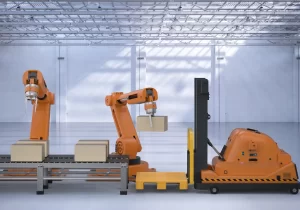
Robotic Handling: Adaptive robotic arms are fitted with soft grippers, suction pads, or multi-fingered end effectors to handle diverse categories, from fragile glassware to oddly shaped electronics. The systems adjust pressure, grip angle, and movement speed in real time based on product weight and fragility. Advances in tactile sensing allow robots to detect subtle resistance (like a loose component rattling inside a box), adding another layer of inspection. This versatility reduces breakage during handling and expands the scope of what can be automated.
Automated Conveyance: Returned goods rarely follow a single linear path, which makes routing critical. Automated conveyors, shuttles, and autonomous mobile robots (AMRs) create a flexible network where items can be directed to inspection, refurbishment, repackaging, or recycling stations without bottlenecks. The most advanced systems integrate with warehouse execution software (WES) to dynamically re-route flows based on real-time capacity, ensuring that high-value items move first and damaged goods don’t clog the system.
Exception Dashboards: Automation does not eliminate the need for human judgment, but it concentrates it where it matters most. Exception dashboards flag anomalies that AI can’t confidently classify, such as mixed-material products, counterfeit risks, or borderline cases where refurbishment viability is unclear. Supervisors receive prioritized alerts with supporting images and system notes, allowing faster resolution. By limiting manual intervention to a small percentage of cases, these dashboards both accelerate decision-making and preserve compliance documentation for audit trails.
Turning Returns Into Upstream Intelligence
Automation at the triage point delivers more than efficiency, it reveals patterns that companies can act on upstream. High-frequency data on defects, packaging failures, or serially underperforming SKUs gives procurement and product teams leverage to renegotiate supplier terms, redesign packaging, or refine quality standards. Decathlon, for instance, has used reverse logistics analytics to identify recurring issues in product durability and feed that directly into sourcing and design decisions. The real advantage comes when returns are no longer viewed as an unavoidable cost center, but as a diagnostic tool that continuously sharpens the supply chain.